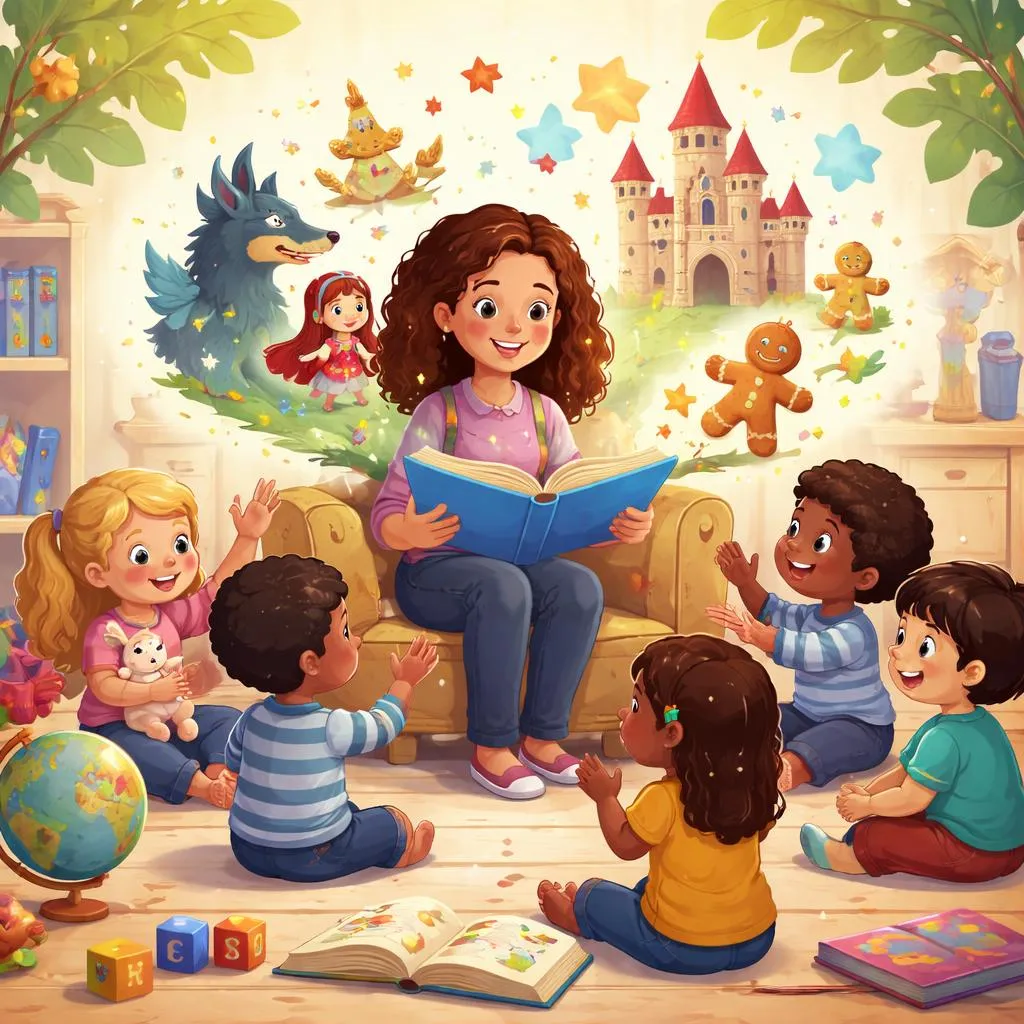

The enduring power of certain tales spans multiple generations. These narratives appear in classrooms across the world year after year. Classic children's stories offer more than entertainment. They provide a foundation for language development. Their familiar plots and repeating language patterns create safety for young readers. This article examines practical teaching applications for these timeless tales. The focus remains on classroom strategies. Let us explore how these stories support English learning.
What Are Classic Children's Stories? Classic children's stories are tales that have remained popular for decades or even centuries. They transcend cultural boundaries. Most English speakers recognize these narratives. Examples include tales about talking animals, magical journeys, or simple moral choices.
These stories share common characteristics. The plots follow clear sequences. The characters represent basic human traits. Kindness, greed, curiosity, and bravery appear often. The language maintains simplicity while carrying depth. A child can understand the surface meaning. An adult can appreciate deeper themes. This layered quality makes them valuable for multi-age teaching environments.
Meaning and Explanation of Timeless Appeal The lasting power of classic children's stories stems from their connection to universal experiences. Fear of the dark appears in tales about night journeys. Joy in friendship appears in stories about loyal companions. These emotions need no translation.
The stories also follow predictable patterns. A character faces a problem. The character attempts solutions. The character succeeds or learns a lesson. This structure mirrors how children understand their own lives. They face small problems daily. They try different approaches. They learn from outcomes. The stories validate this process.
Another element of appeal involves language repetition. Many classic tales use repeating phrases. "I'll huff and I'll puff" appears multiple times. This repetition builds anticipation. Children join in reading. They practice English sounds without conscious effort.
Categories of Classic Tales for Teaching Different categories of classic children's stories serve different teaching purposes. Fairy tales form one major category. These stories often include magical elements. Characters encounter witches, fairies, or talking animals. The language tends toward descriptive adjectives and action verbs.
Fables represent another important category. These short tales end with explicit morals. The tortoise and the hare teaches steady effort. The boy who cried wolf teaches honesty. These stories work well for comprehension checks. Students can easily identify the lesson.
Folk tales offer a third category. These stories belong to specific cultures. They explain natural phenomena or cultural traditions. Using folk tales from English-speaking countries builds cultural knowledge alongside language skills.
Cumulative tales provide excellent language practice. "The House That Jack Built" adds phrases with each page. The repetition builds memory. Students gain confidence as they recognize returning language.
Daily Life Examples in Classic Stories Classic children's stories connect to everyday experiences despite their fantastic elements. A story about a lost child mirrors real fears about separation. A tale about sharing food reflects playground negotiations. These connections make the language relevant.
Consider Goldilocks and the Three Bears. The story involves finding food that feels right. It involves testing chairs and beds. Children understand these actions. They have tasted porridge. They have sat in chairs. They have climbed into beds. The vocabulary connects directly to physical experience.
The Three Little Pigs involves building shelter. Children build with blocks. They understand strong versus weak materials. The story's vocabulary about construction becomes meaningful through this connection.
Printable Flashcards for Classic Story Vocabulary Flashcards extend the value of classic children's stories beyond reading time. Select key nouns from each tale. For Little Red Riding Hood, choose "wolf," "grandmother," "woods," and "basket." Create cards with images on one side and words on the other.
Adjective flashcards work well with classic tales. "Big," "bad," "hungry," and "clever" describe many characters. Students can match adjectives to characters. Which character is clever? Which character is hungry? This builds descriptive vocabulary.
Verb flashcards capture story actions. "Run," "hide," "knock," and "ask" appear across multiple tales. Students can act out these verbs. Physical movement reinforces meaning. The flashcards become tools for active learning rather than passive review.
Learning Activities with Classic Stories Several activities maximize the teaching potential of classic children's stories. Story mapping offers one effective approach. After reading, create a simple visual map of the plot. Identify the beginning, middle, and end. This builds comprehension of narrative structure.
Character webs provide another useful activity. Place a character name in the center. Around it, add descriptive words from the story. Add character actions. Add what others say about them. This builds analytical thinking about character development.
Story comparison works well with multiple versions of the same tale. Read two versions of Cinderella. Compare the language used. Compare the endings. This develops critical reading skills. Students notice how language choices affect meaning.
Prediction exercises engage students actively. Stop reading at a key moment. Ask what might happen next. Students must use story clues to support their predictions. This builds inferential thinking.
Grammar Patterns Found in Classic Tales Classic children's stories contain consistent grammar patterns useful for teaching. Past tense dominates these narratives. "Once upon a time, there lived..." establishes the past tense framework. Students encounter regular and irregular past forms in natural contexts.
Dialogue introduces quotation marks and speech verbs. "said the wolf" appears repeatedly. Students see how English marks spoken words. They notice word order in questions and exclamations within dialogue.
Comparative adjectives appear frequently. "Bigger than," "smaller than," "faster than" describe character differences. The visual nature of stories makes these comparisons clear. One pig builds a stronger house than another. The meaning is obvious from pictures.
Conditional language appears in character decisions. "If you let me in, I will..." introduces real conditionals. "If I had built better, I would not..." introduces hypothetical situations. Advanced learners can notice these patterns.
Educational Games for Classic Story Learning Games transform classic children's stories into interactive language experiences. Story charades works well with any tale. Write character names or actions on cards. Students act out while others guess. This builds vocabulary recall through physical expression.
Story bingo reinforces key vocabulary. Create cards with images or words from a tale. Call out definitions or descriptions. Students mark matching squares. The game format encourages attention to word meanings.
Sequencing races offer active learning. Print sentence strips from a story. Mix them up. Teams race to arrange sentences in correct order. This builds understanding of narrative sequence. It also requires reading comprehension.
Story dominoes connects causes and effects. Create cards with story events. Students match causes to their effects. The wolf blows down the straw house connects to the pig running to his brother's house. This builds logical thinking about plot development.
Printable Materials for Classic Story Lessons Printable materials support structured learning with classic children's stories. Story summary templates guide comprehension. Provide a simple form with spaces for characters, setting, problem, and solution. Students complete after reading.
Fill-in-the-blank passages work for vocabulary review. Remove key words from a story summary. Provide a word bank. Students choose correct words to complete the text. This checks understanding of word meaning in context.
Comic strip templates allow story retelling. Provide blank panels. Students draw key scenes and add simple dialogue. This combines artistic expression with language production. The format feels less intimidating than full writing assignments.
Word searches using story vocabulary provide quiet review time. Include character names and key nouns. The puzzle format feels like play while reinforcing word recognition.
The value of these timeless narratives extends beyond their entertainment quality. Classic children's stories provide linguistic structures that support English development. Their predictable patterns build confidence. Their universal themes create connection. Their memorable language sticks in young minds. Using these stories in teaching creates a bridge between generations of learners. The tales that entertained past students continue serving new ones today.