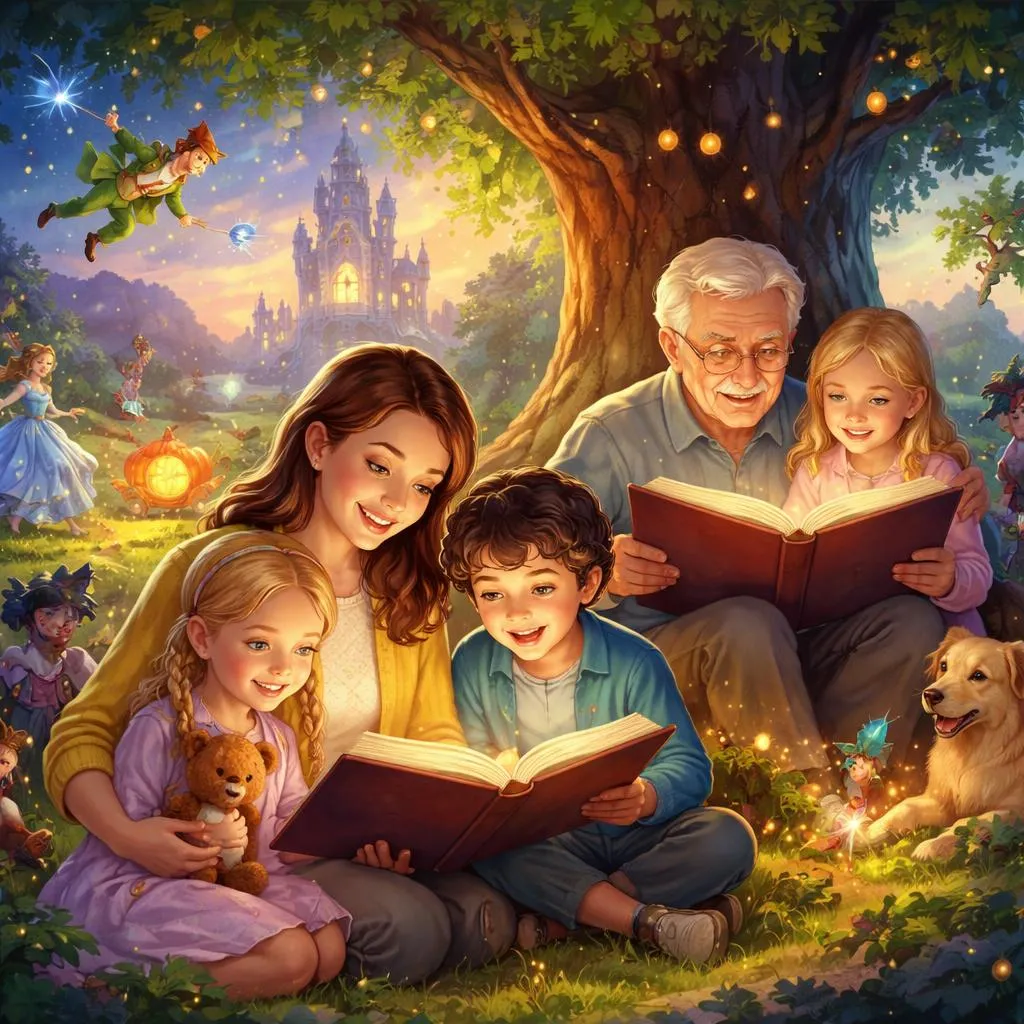

A curious monkey adventures without permission. A spider writes messages in her web. A bear with very little brain searches for honey. These characters have delighted children for decades. Classic children's story books carry magic that time cannot diminish. They connect generations through shared stories. This article explores methods for using these enduring treasures in teaching.
What Defines a Classic Children's Story Book?
A classic children's story book has stood the test of time. These books were loved by grandparents and now delight grandchildren. They appear on lists of recommended reading generation after generation. Their popularity does not fade.
Classics succeed because they touch something universal. Characters face problems all children understand. Making friends. Feeling different. Learning to be brave. Growing up. These themes remain relevant regardless of when the book was written.
The language in classics often has distinctive quality. Memorable phrases. Rhythmic prose. Words chosen with care. This craftsmanship supports language development while pleasing the ear.
Why Use Classic Books for Language Learning?
Classic children's story books offer several advantages for language development. First, they provide rich language models. Authors of classics crafted sentences with attention. Learners absorb quality writing through exposure.
Second, classics offer cultural literacy. References to these stories appear throughout life. Knowing Charlotte's Web enriches understanding of countless later references. This cultural knowledge builds connection.
Third, classics are widely available. Libraries stock multiple copies. Many exist in multiple formats. Book, audio, video versions allow varied experiences with the same story.
Fourth, classics create shared experience. Multiple generations know these stories. Grandparents can discuss books they loved as children. This intergenerational connection motivates reading.
Categories of Classic Children's Books
Classic children's story books fall into several categories. Each offers unique learning opportunities.
Picture Book Classics Books like "Goodnight Moon" and "The Very Hungry Caterpillar" define this category. Few words per page. Illustrations that support text. Predictable patterns. These books build confidence in beginning readers.
Chapter Book Classics "Charlotte's Web," "Stuart Little," and "The Trumpet of the Swan" belong here. Longer narratives with developed plots. Richer vocabulary. Characters who grow through stories. These books challenge developing readers.
Poetry and Rhyme Classics "Where the Sidewalk Ends" and "A Light in the Attic" represent this group. Playful language. Word invention. Rhythm and rhyme. These books build phonemic awareness joyfully.
Folktale Collections Classics like "Grimm's Fairy Tales" and "Aesop's Fables" gather traditional stories. Brief narratives with clear lessons. Cultural wisdom passed down. These books build understanding of story patterns.
Vocabulary Learning Through Classic Books
Classic books introduce rich vocabulary in meaningful contexts. Authors choose words carefully. Learners encounter language crafted for effect. This exposure builds word knowledge naturally.
Descriptive language flourishes in classics. E.B. White describes barns and seasons with precision. Beatrix Potter chooses exactly the right words for animal characters. This modeling helps learners develop descriptive ability.
Classic children's story books often introduce slightly challenging words. Context makes meaning clear. "Radiant" appears in Charlotte's Web with explanation. Learners stretch vocabulary through supported exposure.
Dialogue in classics models conversation. Characters speak differently based on personality. This variety builds understanding of register and tone.
Simple Phonics Points in Classic Books
Classic books offer excellent phonics material. Many use repetition intentionally. "Goodnight room. Goodnight moon." This repetition reinforces sound patterns while soothing listeners toward sleep.
Rhyming classics highlight sound patterns. Dr. Seuss books play with phonemes constantly. "Hop on Pop" creates countless word families. This playful approach builds phonemic awareness.
Names in classics provide sound practice. Winnie-the-Pooh contains multiple sounds. Curious George offers practice with soft and hard g. These names become familiar through repeated reading.
Exploring Grammar Through Classic Narratives
Classic books provide clear grammar models. Past tense dominates narration. "Wilbur the pig lived in a barn cellar with a goose and a gander." This consistent past tense builds familiarity with narrative forms.
Dialogue introduces present and future tenses. "I want to stay here," said Wilbur. "I will be your friend," promised Charlotte. These shifts occur naturally within story context.
Complex sentences appear in classics written for older children. Authors model subordination and varied structure. Learners absorb these patterns through exposure.
Learning Activities with Classic Books
Active engagement with classic narratives deepens learning. These activities bring beloved books into productive language use.
Character Study Web After reading a classic, create a character web for a main character. Center circle with character name. Surrounding circles with traits, actions, words, and feelings. Connect with lines. This builds character analysis and descriptive vocabulary.
Classic Book Comparison Read two classic books and compare them. How are the main characters similar? How do the settings differ? Which story has more adventure? This builds comparative thinking and language.
Favorite Scene Illustration Learners draw their favorite scene from a classic book. Below the drawing, write a paragraph explaining why this scene matters and what happens. This builds comprehension and connects visual and verbal expression.
New Adventure Writing Imagine a new adventure for a classic character. What would Curious George do at the beach? How would Winnie-the-Pooh handle a birthday party? This builds creative language use within established character frameworks.
Educational Games with Classic Books
Games add playful interaction with beloved stories. These activities work well for groups or individuals.
Classic Book Bingo Create bingo cards with elements from multiple classic books. Pig. Spider. Bear. Monkey. Caterpillar. Moon. As you describe story moments or name characters, learners cover matching squares. This builds listening comprehension and story knowledge.
Character Guess Game Describe a classic character without naming them. "This character is a small spider. She lives in a barn. She writes words in her web." Learners guess Charlotte. This builds descriptive language and character recall.
Story Scramble Write key events from a classic book on separate cards. Mix them up. Learners arrange events in correct order. This builds comprehension of narrative structure.
Printable Materials for Classic Book Learning
Tangible resources support extended exploration of classic themes. These materials work well for independent practice.
Classic Character Cards Create cards with classic character names on one side and descriptions on the other. Charlotte: friendly spider who saves Wilbur. Curious George: little monkey who finds adventures. Use these for matching games or quick reviews.
My Classic Book Report Page Provide a template for responding to a classic book. Title, author, main character, setting, favorite part, recommendation. This builds comprehension and opinion expression.
Classic Book Comparison Chart Create a simple chart comparing two classic books. Characters, setting, problem, solution, theme columns. Learners fill in information. This builds analytical thinking.
New Character Introduction Page Provide a template for creating a new character who could join a classic book. What kind of animal? What name? What personality? How would they fit with existing characters? This builds creative thinking within established worlds.
The lasting value of classic children's story books lies in their quality and staying power. These books have pleased millions of readers across decades. They carry language crafted to last. They introduce characters who become lifelong friends. Each classic read together builds vocabulary and comprehension while connecting to a larger community of readers past and present. The classroom becomes a place where children join an ongoing conversation that began long before they arrived and will continue long after they leave. That is the true magic of classics.