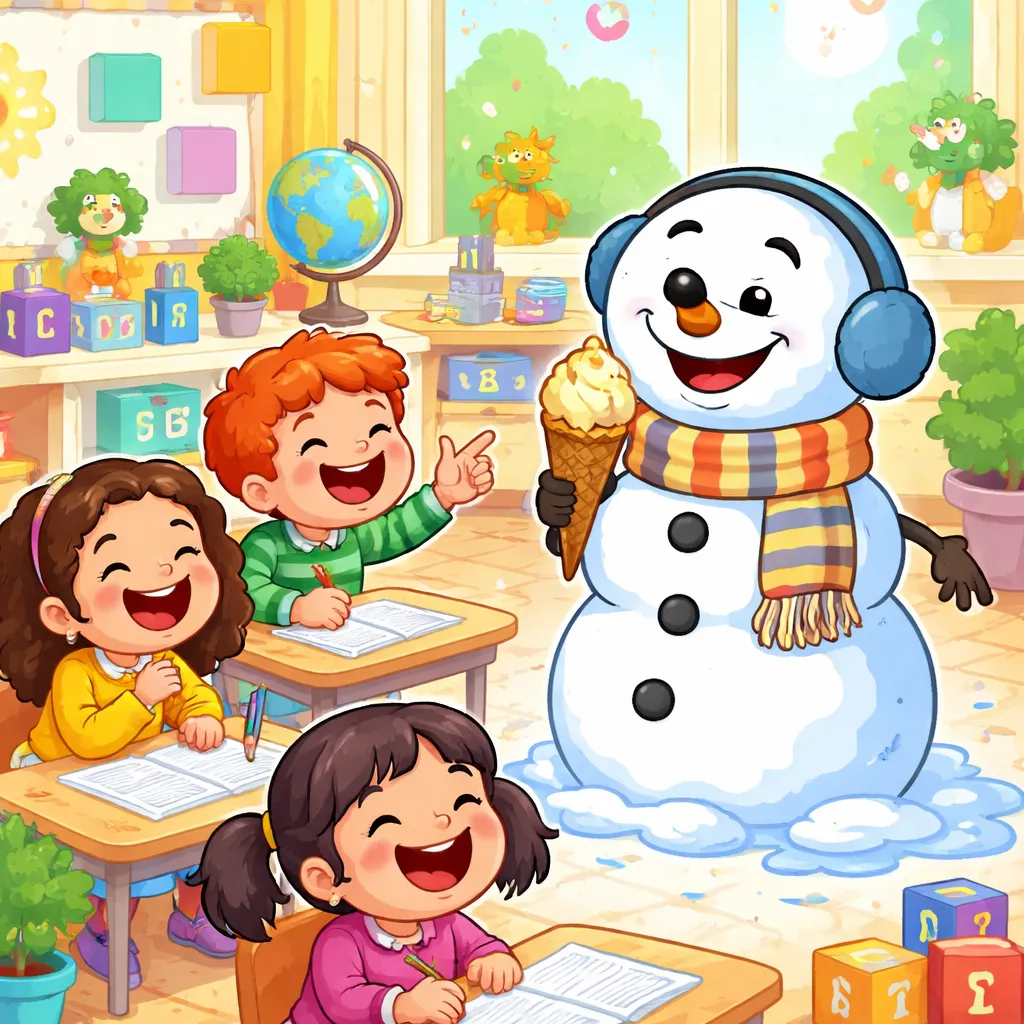

A child’s giggle is one of the most encouraging sounds in language learning. When laughter meets English, something special happens. The child relaxes. The pressure to be “correct” fades away. This is where “cold jokes” find their perfect place. These simple, often silly jokes rely on wordplay, surprising twists, and gentle puns. They are called “cold” because they often end with a shiver, a pun about ice, or a sudden drop in logic that catches us off guard.
For young English learners, cold jokes serve a serious purpose. They build confidence. They teach pronunciation through repetition. They introduce multiple meanings of the same word. Most importantly, they turn language practice into a shared moment of joy between parent and child. This article explores how to use cold jokes as a warm and effective tool for English growth.
What Are Cold Jokes?
Cold jokes are a category of children’s humor. They typically feature themes like snow, ice, winter, or cold temperatures. But the “cold” also describes the punchline. It leaves the listener feeling a playful sense of “that was silly.” For example, “Why did the snowman call his dog Frost? Because Frost bites.” The humor comes from the double meaning of “bites.”
In English education, we value cold jokes because they are short. They use simple vocabulary. They often repeat sounds, which helps with phonics. A child does not need advanced grammar to understand the setup. They only need to catch the wordplay at the end.
We can think of cold jokes as tiny stories. They have a beginning, a setup, and a surprise ending. When children learn to tell these jokes themselves, they practice sequencing. They practice timing. They practice the rhythm of English sentences. All of this happens while they smile.
Meaning and Explanation
To use cold jokes effectively, we must first explain their meaning to children in a simple way. We tell them that a cold joke is a special kind of question. It makes you think about words in a new way. The answer is always a little funny and a little surprising.
We can explain that words sometimes have two meanings. For instance, “chill” can mean cold, or it can mean to relax. When a joke plays with these two meanings, we call it a pun. Children do not need to know the word “pun” yet. They just need to feel the twist.
We also explain the structure. Most cold jokes begin with “Why…?” This helps children practice forming questions. The answer begins with “Because…” This helps them practice giving reasons. By understanding this simple pattern, children gain a framework for creating their own jokes later.
When parents explain the meaning, they should use a playful voice. They can act out the joke. They can shiver at the punchline. This shows the child that English is not just a school subject. It is a language for playing and laughing.
Categories or Lists
Cold jokes fall into several clear categories. Organizing them helps children recognize patterns in humor and language.
The first category is Weather and Seasons. These jokes use words like snow, ice, wind, and frost. For example, “What do you call a snowman with a carrot nose? A chilly dog.” This category teaches weather vocabulary in a memorable way.
The second category is Food and Drink. These jokes involve cold treats like ice cream, popsicles, or cold drinks. For example, “What is a polar bear’s favorite food? Ice krispies.” This category introduces food vocabulary while practicing alliteration.
The third category is Animals in Cold Places. These jokes feature penguins, polar bears, seals, and arctic animals. For example, “Why do penguins carry fish in their beaks? Because they don’t have pockets.” This category allows children to learn animal names and habitats through humor.
The fourth category is Clothing and Activities. These jokes mention scarves, mittens, sledding, and building snowmen. For example, “What do you wear when it’s cold? A brrr-muda shirt.” This category connects to children’s real-life experiences in winter.
By grouping jokes into categories, parents can introduce them during relevant moments. During a snowy day, focus on weather jokes. While eating ice cream, share food jokes. This contextual learning strengthens memory.
Daily Life Examples
Bringing cold jokes into daily life turns ordinary moments into language opportunities. We can share them during meals, car rides, or bedtime.
Imagine you are making breakfast. Your child sees ice cubes in a glass. You can say, “I have a cold joke. What do you call an ice cube that tells stories? A cool tale.” Your child might laugh or groan. Either reaction is good. It shows they understood the wordplay on “cool” and “tale.”
During bath time, you can talk about cold water. You say, “Why did the cold water go to school? To get a little warmer.” This joke introduces the concept of comparatives like “warmer.” It also uses a familiar setting to make the abstract idea of temperature change feel concrete.
While putting on winter clothes, you can share a clothing joke. You say, “What did the scarf say to the hat? You go on ahead. I’ll hang around.” This joke uses the multiple meanings of “hang around.” It also reinforces clothing vocabulary.
These examples show that cold jokes do not require a lesson. They require a moment. When we insert a joke into conversation, we show that English lives in our daily interactions. The child learns that language is flexible, funny, and always available.
Printable Flashcards
Flashcards can transform cold jokes into interactive learning tools. We can create cards that separate the setup from the punchline. This allows children to match questions with answers, building comprehension.
On one side of a card, write a cold joke question. For example, “Why did the snowman look at the thermometer?” On the other side, write the answer, “Because he wanted to check his temperature.” The child reads the question, tries to guess, then flips the card. This guessing game practices prediction and critical thinking.
We can also create vocabulary flashcards from the jokes. Choose three key words from each joke. For a joke about a polar bear, make cards for “polar bear,” “arctic,” and “blubber.” Use simple pictures. Practice pronunciation together. Then tell the joke again using the new words.
Another idea is to create a “Joke of the Day” flashcard holder. Each morning, your child picks a card from the holder. That becomes the joke they will tell during dinner. This builds routine and public speaking confidence.
For parents, printable flashcards offer structure. They provide a tangible resource when you feel too tired to invent a joke on the spot. You simply reach for the card, read it, and share a laugh. The consistency also helps children memorize the jokes, which gives them a sense of mastery.
Learning Activities or Games
Games turn cold jokes from passive listening into active participation. Children remember language best when they use it physically and socially.
One engaging game is Joke Match-Up. Write five cold joke questions on separate slips of paper. Write the five punchlines on another set. Mix them up. Your child reads a question and finds the matching punchline. For younger children, read the questions aloud. This game builds reading comprehension and logical matching skills.
Another game is Finish the Joke. You say the first part of a cold joke. Your child tries to invent a new ending. For example, you say, “What did the ice cube say to the refrigerator?” Your child makes up a silly answer. There is no wrong answer. This game encourages creative thinking and spontaneous speaking. It also shows children that they can create humor in English.
Act It Out works well for kinesthetic learners. Choose a cold joke. Your child acts out the setup. You act out the punchline. Then switch roles. For a joke about a shivering snowman, your child can stand still like a snowman, and you can pretend to shiver. This physical engagement reinforces vocabulary like “shiver,” “melt,” and “cold.”
You can also create a Joke Journal. Give your child a small notebook. After learning a new cold joke, they draw a picture of it. They write the joke underneath. For children beginning to write, they can copy the words. Over time, the journal becomes a personal collection. It shows progress. It also becomes a resource they can use to tell jokes to grandparents or friends.
As you play these games, keep the mood light. If a child forgets the punchline, help them. If they mix up words, laugh together. The goal is not perfect memorization. The goal is joyful repetition. When a child says a cold joke correctly for the first time, the pride in their voice is a powerful reward.
Humor opens doors that grammar drills cannot. Cold jokes give children a reason to speak English without fear. They provide parents with a simple, ready-made way to connect. Each joke is a tiny gift of language wrapped in laughter. As your child learns to deliver that punchline, they are not just learning English. They are learning the joy of sharing a moment. And that joy stays with them long after the joke is over.