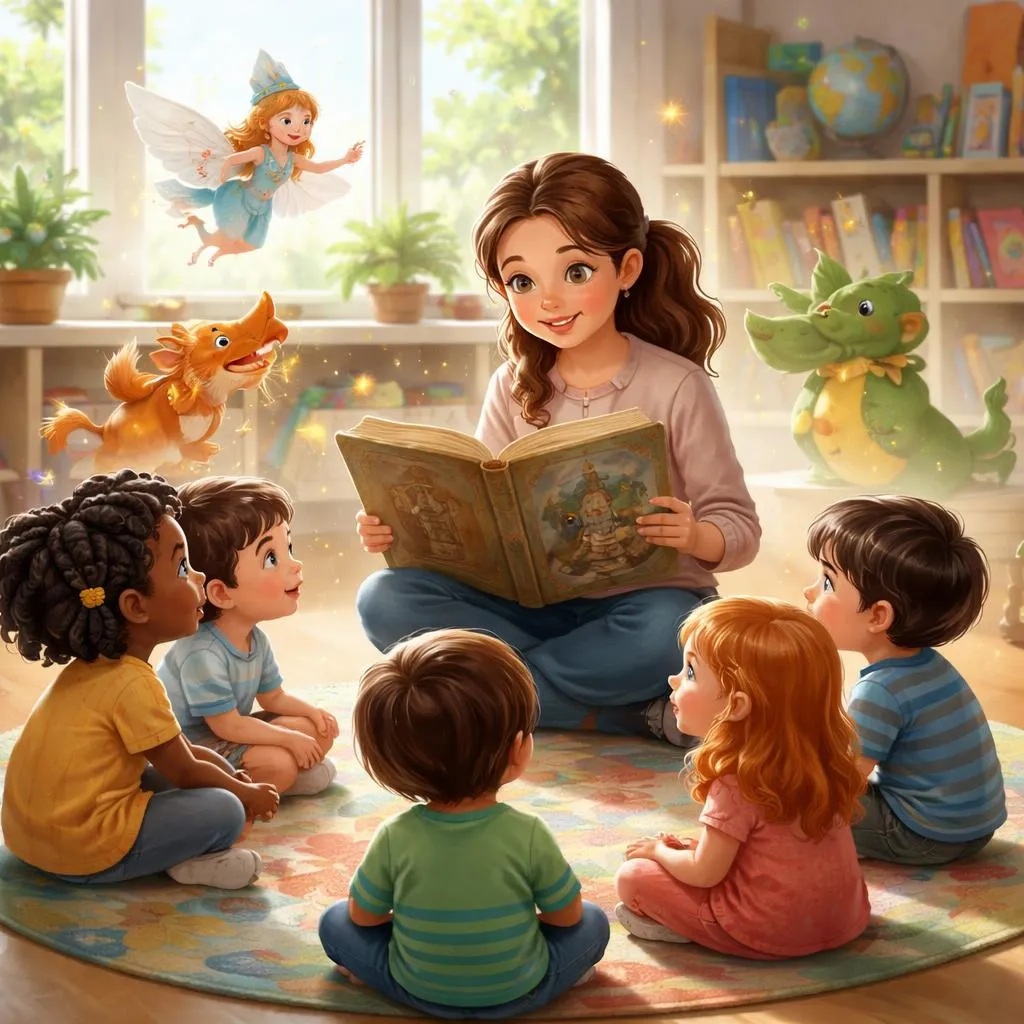

What Are Old Children's Story Books? Let us explore these treasured volumes together. Old children's story books are tales published many years ago. Some date back decades while others are centuries old. They carry the marks of their time in every page. The illustrations show artistic styles from past eras. The language uses words and phrases from earlier days. The stories reflect values and beliefs of their period. Many have been passed down through generations of families. Parents read the same books they loved as children. Grandparents share stories from their own childhoods. These books create bridges between past and present readers. They preserve cultural heritage in accessible story form. The physical books themselves become cherished family heirlooms. Worn covers and yellowed pages tell their own stories.
Meaning and Value of Vintage Children's Books Old story books serve several important purposes for young readers. They connect children to literary traditions spanning generations. Reading the same tales creates shared cultural touchstones. Grandparents, parents, and children share common story references. The books also preserve language from earlier times. Children encounter words and phrases no longer common. This builds vocabulary and historical language awareness. The illustrations show artistic techniques from past decades. Children see how book art has evolved over time. The stories often carry enduring themes and values. Kindness, courage, and honesty never go out of style. Reading older books develops historical thinking naturally. Children learn that people long ago faced similar feelings.
Categories of Old Children's Story Books We can organize vintage books into helpful categories. Fairy tales and folklore appear in countless collections. Brothers Grimm, Hans Christian Andersen, and Perrault stories. Picture books from the early twentieth century stand out. Beatrix Potter, Randolph Caldecott, and Kate Greenaway. Chapter books from the golden age of children's literature. The Wind in the Willows, Winnie the Pooh, and Peter Pan. School story series from past decades remain popular. Nancy Drew, Hardy Boys, and Bobbsey Twins adventures. Poetry collections for children from earlier eras. Robert Louis Stevenson, A.A. Milne, and Christina Rossetti. ABC and counting books showing vintage educational methods. Each category offers windows into different reading pasts.
Daily Life Connections Through Old Books These books connect to children's experiences in surprising ways. Family members may have owned the very same books. A grandmother's name written inside the cover appears. The feel of old paper differs from modern books. Children notice the texture and smell of aged pages. Illustrations show children playing with old-fashioned toys. But the feelings of play remain exactly the same. Characters face problems children still recognize today. Friendship troubles, school challenges, family moments. The settings may look different but emotions match. We can point out these connections during reading. "Children played outside then just like you do now." "She felt nervous about school just like you sometimes."
Vocabulary Learning from Old Story Books Vintage books introduce rich historical vocabulary. Words from earlier times expand language understanding. Gaily, seldom, and whilst appear in older texts. Object names from the past teach history naturally. Lantern, carriage, and kettle name things still used differently. Clothing words describe fashions no longer common. Bonnet, petticoat, and breeches appear in illustrations. Nature words often appear more frequently. Meadow, brook, and hedgerow fill older countryside tales. Moral vocabulary appears prominently in vintage stories. Virtue, duty, and honor carry weight in narratives. Action words from earlier times add variety. Hastened, ventured, and bid move plots forward. We can teach these words with picture cards showing examples. Use them in sentences about story events. Compare with modern words for similar things.
Phonics Points in Vintage Stories Old children's books provide useful phonics practice with rich language. Thou and thee appear in older texts with TH digraphs. These words use the same sounds as modern equivalents. Old English letter patterns appear in vintage texts. Ye uses the Y sound for what became THE. Historical spelling variations offer teaching moments. Colour versus color, theatre versus theater appear. Rhyming patterns in old poetry remain consistent. The sounds work the same despite age of words. Character names from classics offer pattern practice. Peter has the long E and ER sound. Wendy has the short E and long E. Pooh has the long OO sound. Place names provide phonics elements. Neverland has the short E and short A. Hundred Acre Wood offers multiple patterns. We can focus on one sound pattern from each book. Find all words with that sound in the vintage tale. Write them on aged paper shapes for practice.
Grammar Patterns in Vintage Narratives Old story books model grammar from earlier periods. Past tense forms sometimes differ from modern usage. "He sat upon the grass" versus modern "on the grass." Sentence structures may be more formal and complex. Longer sentences with multiple clauses appear often. Pronouns like thee and thou appear in older texts. These follow different grammatical rules than modern you. Verb conjugations sometimes follow older patterns. "Thou shalt" instead of "you shall." Prepositional phrases may use different prepositions. "He went unto the house" versus "to the house." Descriptive language may be more elaborate. "The great, dark, terrible forest" with multiple adjectives. We can point out these patterns during reading. "They wrote differently long ago." "Can you find words we don't use much now?" This builds language awareness naturally.
Learning Activities for Old Story Books Many activities deepen engagement with vintage tales. Compare old and new versions of the same story. Notice how illustrations and language changed. Create a timeline of favorite books by publication date. See which books are oldest in the collection. Write stories in an old-fashioned style using vintage words. Practice using thee, thou, and other historical language. Draw illustrations in the style of vintage books. Study Kate Greenaway or Randolph Caldecott techniques. Visit a library to see their special collections. Ask librarians to show oldest children's books. Interview older family members about childhood reading. What books did they love when young? These activities make literary history personal and engaging.
Printable Materials for Vintage Book Study Printable resources support deep engagement with older literature. Create comparison charts for old and new book elements. Illustrations, language, and themes appear side by side. Design vocabulary cards with vintage words and definitions. Include space for modern equivalent words. Make a timeline template for placing books in history. Add publication dates and historical events. Create bookmarks with quotes from classic tales. Use favorite passages from vintage stories. Design a family reading history sheet for interviews. Record books loved by each generation. Make a vintage book cover template for redesign. Children create new covers for old stories. These printables structure literary exploration activities.
Educational Games About Classic Books Games make vintage literature playful and interactive. Play "Old Book Charades" acting out classic titles. Others guess which beloved book appears. Create "Match the Opening" pairing first lines with books. "In an old house in Paris" matches Madeline. Play "Author Match" connecting writers with their books. Beatrix Potter with Peter Rabbit, A.A. Milne with Pooh. Design "Character Bingo" with figures from classics. Peter Pan, Alice, Winnie the Pooh, and Tom Sawyer. Play "Setting Search" describing places from old books. Hundred Acre Wood, Neverland, Wonderland appear. Create "Vintage Book Trivia" with questions about classics. "Who lost a mitten?" "What did Peter Rabbit eat?" These games build literary knowledge through active participation.
Teaching Literary Heritage Through Old Books Vintage books connect children to shared cultural inheritance. These stories form the foundation of children's literature. Later books reference and build upon these classics. Understanding the originals enriches all later reading. The books also show how children's literature evolved. Early books often taught moral lessons directly. Later books became more focused on entertainment. Illustrations grew from simple to elaborate over time. Printing technology improved and changed book production. The stories reflect changing ideas about childhood. Children were once seen as miniature adults needing instruction. Later views saw childhood as special time for wonder. These changes appear clearly in old story books.
Preserving Family Reading Traditions Old books carry family memories within their pages. Inscriptions record gifts from loved ones long ago. Bookplates show who owned the volume previously. Marginal notes reveal what previous readers noticed. Favorite passages might be underlined or marked. These traces make each copy unique and precious. Reading these books connects children to family history. A parent read this same page as a child. A grandparent may have cherished the same story. The physical book passes through hands across generations. This creates continuity in a rapidly changing world. Children belong to something larger than themselves. They join a chain of readers stretching back through time. The stories themselves remain constant as readers change.
The Physical Pleasure of Old Books Old books offer sensory experiences modern books cannot. The pages feel different, often thicker or softer. The smell of aged paper creates unique atmosphere. The sound of pages turning changes with age. Covers show wear from years of loving use. Corners rounded, spines cracked, edges worn. These marks prove the book was loved by many. Illustrations may be tipped in by hand in old books. Color plates glued onto thicker paper appear. Endpapers show patterns and designs no longer used. The physical object tells its own story of survival. It passed through many hands to reach this moment. Children sense this history even without words. The book feels important because it has lasted.
Finding Old Books Today Vintage children's books remain accessible for modern families. Used bookstores often have sections for older children's books. Library book sales offer treasures at very low prices. Estate sales sometimes uncover hidden collections. Online sellers specialize in vintage children's literature. Thrift stores occasionally have surprising finds. Family attics and basements hold forgotten treasures. Grandparents may have books saved from childhood. Libraries maintain special collections for research. Some classics remain continuously in print. New copies look like the originals inside. Reproductions make old illustrations available affordably. The hunt for old books becomes an adventure itself. Finding a beloved classic in an old edition delights.
Balancing Old and New in Children's Reading Both old and new books offer value for young readers. Old books provide connection to heritage and history. New books offer contemporary perspectives and diversity. The best reading diets include both generously. Children need to know where stories came from. They also need stories reflecting their own world. Old books sometimes contain outdated attitudes. These provide teaching moments about social progress. We can discuss how thinking has changed over time. The language difficulty varies between eras. Some old books challenge young readers appropriately. Others may need reading together for support. The goal is not choosing old over new. It is providing rich variety from all periods. Every book opens a different window on the world.