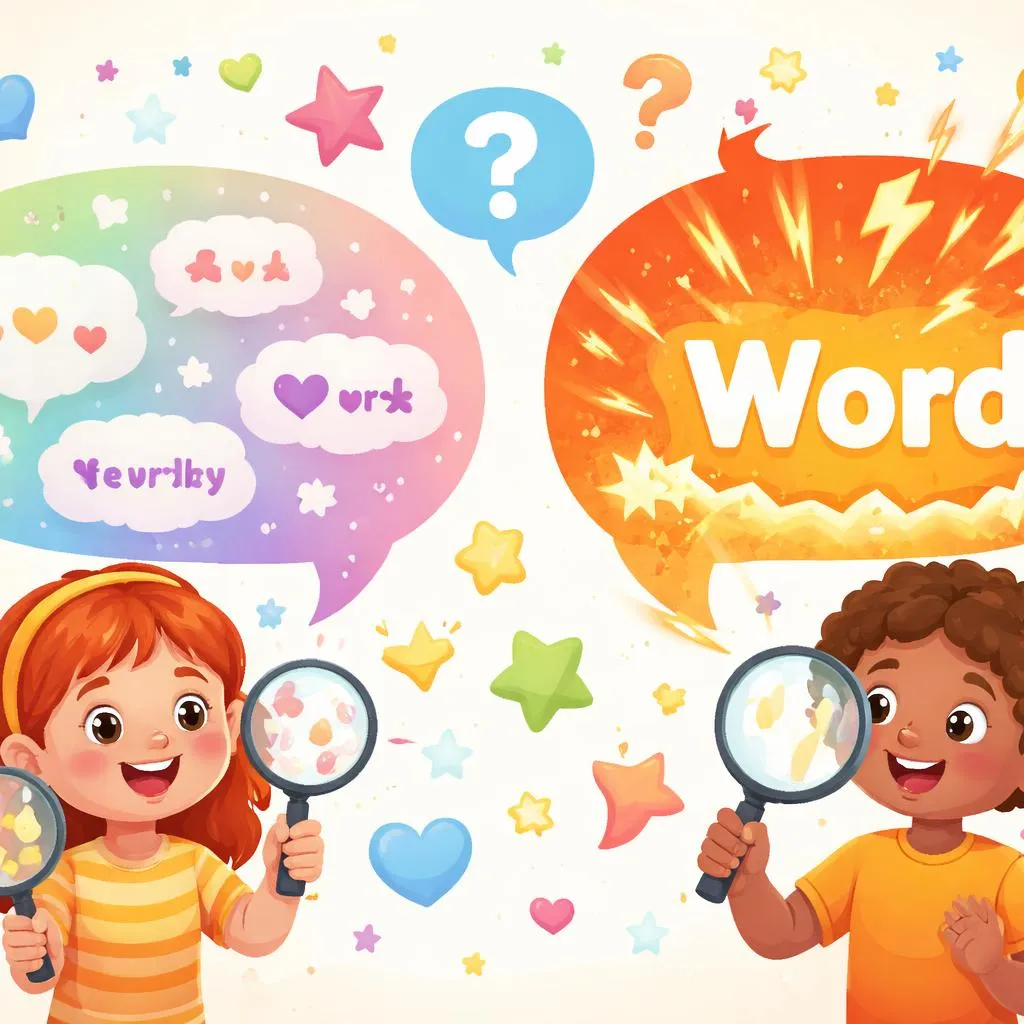

Every day, children hear many small phrases. Some phrases sound polite. Other phrases sound strong or direct. Parents often notice that kids mix up similar word groups. Two common word groups cause confusion: “phrase to” and “expression to”. They look alike. But they work differently. Understanding this difference helps children speak clearly and kindly. Let us explore these two useful tools together.
What Do These Expressions Mean?
A “phrase to” is a group of words. It gives a simple meaning. For example, “time to eat” is a phrase. It tells you what happens next. A child can say “time to play” or “time to sleep”. These are short and clear. They help kids give information fast. An “expression to” shares a feeling or idea. It is not always literal. For example, “it’s raining cats and dogs” is an expression. It does not mean real animals. It means heavy rain. Expressions add color to language.
For a child, a phrase feels like a signpost. It points to an action or thing. An expression feels like a small painting. It creates a picture or emotion. Both are useful. Both help people talk. But they serve different purposes. Sometimes a phrase can become part of an expression. That is why they seem similar. Yet their main jobs stay different. One gives facts. The other gives flavor.
What’s the Difference?
The main difference lies in tone and purpose. A “phrase to” is more direct. It states something plainly. For instance, “way to go” is a phrase. It means good job. It is short and clear. An “expression to” is more creative. It often uses imagination. For example, “break a leg” is an expression. It means good luck before a performance. It sounds strange if you take it literally. But it is common and friendly.
One is more straightforward. The other is more playful or emotional. Think of a phrase as a straight road. It takes you directly to the meaning. Think of an expression as a winding path. It shows you interesting sights along the way. Children need both. Phrases help them give instructions or state facts. Expressions help them share feelings or jokes. Neither is better. They just work in different moments.
Another difference is strength. A phrase often feels neutral. “Need to go” is a phrase. It states a requirement. An expression can feel stronger or softer. “I’m over the moon” is an expression. It shows great happiness. The feeling comes through clearly. So when a child says an expression, they share more than words. They share their heart.
When Do We Use Each One?
Use a “phrase to” when giving clear information. At school, a child says “time to line up”. That is a phrase. At home, they say “time to wash hands”. That is also a phrase. These leave no room for confusion. Use a phrase when you need action. “Ready to go” is another good example. It tells others you are prepared. Friends understand it quickly.
Use an “expression to” when you want to share a mood. At a birthday party, a child might say “I’m on top of the world”. That is an expression. When a friend feels sad, they might say “feeling blue”. That is another expression. Expressions work well in stories, jokes, and kind messages. They make language fun. They also help children understand books and movies. Many characters use colorful expressions.
Real-life situations mix both. A parent might say “time to clean your room” (phrase). Then they add “let’s make this place shine like a star” (expression). The phrase gives the order. The expression adds energy. Children learn naturally by hearing both. Encourage your child to notice when people switch from phrases to expressions.
Example Sentences for Kids
Here are simple sentences using “phrase to”:
“It is time to go to the park.”
“I have so much to tell you.”
“She is ready to read her new book.”
Here are simple sentences using “expression to”:
“He was over the moon to see his grandma.”
“She has a heart of gold.”
“This homework is a piece of cake.”
Notice how the first set gives direct information. The second set adds feeling or imagination. A child can easily understand both. Practice saying them aloud. Ask your child which sentence feels more emotional. That will help them spot expressions quickly.
Common Mistakes to Avoid
Many children mix up literal and figurative meanings. They hear an expression and think it is true. For example, a child hears “it’s a piece of cake”. They look for real cake. That is a common mistake. Teach them that expressions are word pictures. They are not real. So “a piece of cake” means easy, not dessert.
Another mistake is using an expression in a very serious moment. For instance, saying “time to face the music” when someone is hurt. That expression means accepting consequences. It might sound uncaring. A simple phrase like “time to see the doctor” works better. So help your child choose carefully. Phrases work best for serious or urgent news. Expressions work best for light or friendly talks.
A third mistake is forgetting the audience. A young friend may not know an expression. Saying “you let the cat out of the bag” might confuse them. That expression means telling a secret. But a new learner hears only a cat and a bag. So use common expressions first. Save unusual ones for later.
Easy Memory Tips
Here is a simple trick. Imagine a “phrase to” as a plain box. It holds the basic message. Imagine an “expression to” as a gift box with ribbons. It holds the same message but looks fancy. For example, “time to sleep” is the plain box. “Time to hit the hay” is the fancy gift box. Both mean go to sleep. But one adds fun.
Another tip uses emotion. A phrase answers “what”. An expression answers “how”. “What do we do? Time to eat.” “How do we feel? Hungry as a bear.” Remember the question words. What goes with phrases. How goes with expressions. This works well for young learners. Draw a small bear for “hungry as a bear”. Draw a clock for “time to eat”. Visuals help memory stick.
Quick Practice Time
Try these simple exercises with your child.
Fill in the blank: Choose “phrase to” or “expression to”.
“It is ____________ say thank you.” (Answer: time to – this is a phrase)
“She is ____________ cry over spilled milk.” (Answer: not one to – this is an expression meaning don’t worry about small mistakes)
Multiple choice: Pick the correct meaning.
“Break a leg” means:
A) Really break your leg
B) Good luck
(Answer: B)
“Time to share” means:
A) Let’s share now
B) Let’s be sad
(Answer: A)
These quick questions take only two minutes. They help children remember the difference. Make it a game. Give a small clap for each correct answer.
Wrap-up
The key difference is simple. A phrase gives clear information. An expression adds feeling or imagination. Both help children become strong speakers. Learning this early makes reading, writing, and talking more fun. Keep practicing with real life examples. Soon your child will use both with confidence and joy.