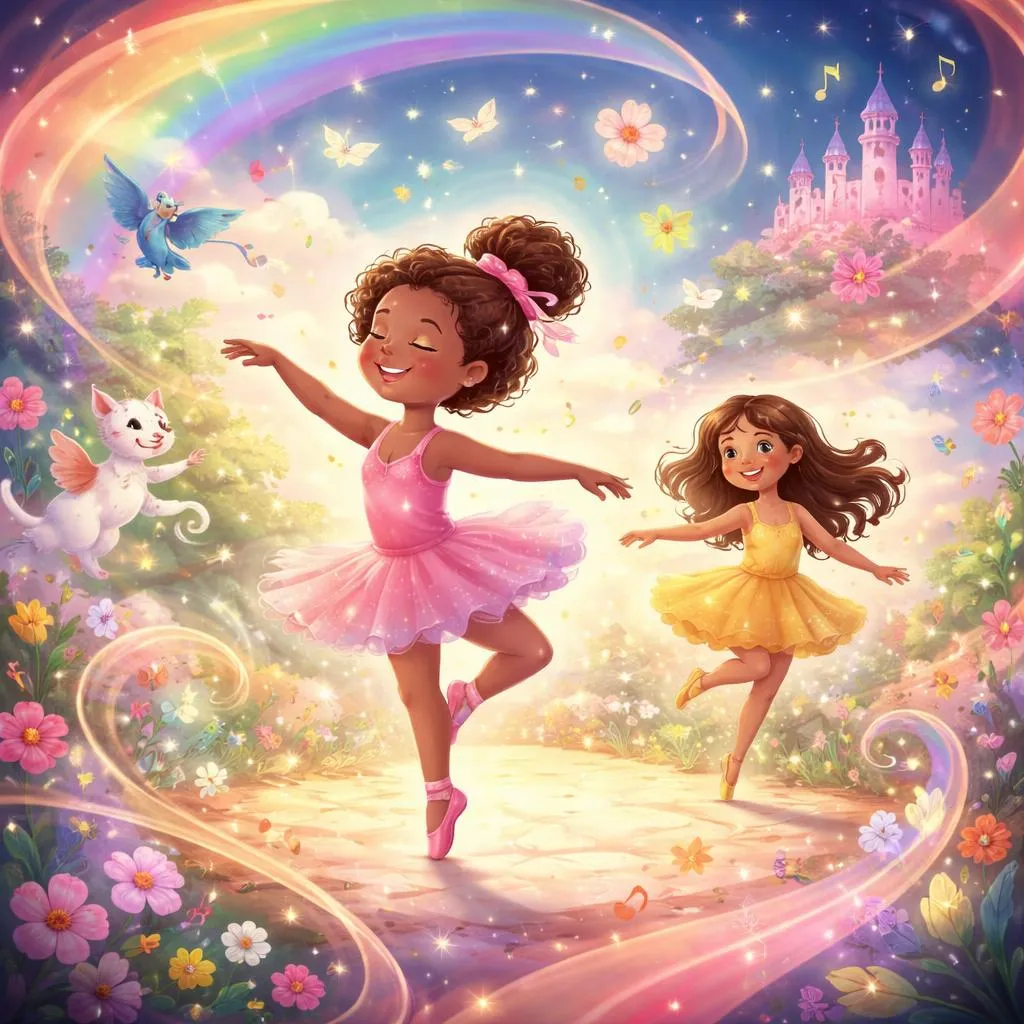

Music starts. Bodies begin to move. Feet tap. Arms sway. Spirits lift. Dance expresses what words alone cannot say. A children's story about dance captures this physical poetry. It translates movement into language while celebrating self-expression. This article explores methods for using these kinetic tales in teaching.
What Defines a Dance Story for Children?
A children's story about dance places movement at the heart of the narrative. Some stories follow a child discovering dance for the first time. The joy of moving to music transforms them. Other tales feature dancers as characters. A ballet-dancing mouse. A hip-hop-loving elephant. These stories use dance to reveal personality.
Some dance stories explore specific dance forms. Ballet stories introduce tutus and pointe shoes. Tap stories bring rhythm and sound. Cultural dance stories show traditions from around the world. Each form brings its own vocabulary and context.
The best dance stories connect movement to emotion. Characters dance when happy. They dance through sadness. They find themselves through moving. This emotional connection makes the language meaningful.
Vocabulary Learning Through Dance Stories
Dance stories introduce rich movement vocabulary. Action words fill every page. Leap, twirl, spin, stomp, and glide gain meaning through story contexts. Each verb connects to specific ways of moving.
Dance form vocabulary appears naturally. Ballet brings plié, pirouette, and arabesque. Tap introduces shuffle, flap, and cramp roll. Cultural dances add their own terms. This specialized vocabulary builds word knowledge.
Body part words appear frequently. Arms, legs, feet, and hands all play roles in dance descriptions. Toes, heels, and shoulders gain specificity through movement contexts.
Children's story about dance also introduces words for feelings. Graceful, joyful, free, and expressive describe how dancing feels. These adjectives help learners talk about emotional states.
Simple Phonics Points in Dance Tales
Dance stories offer useful phonics material. Action words provide sound practice. Leap features long e. Spin contains short i. Stomp includes st blend. These words become phonics anchors through repeated reading.
Many dance stories use onomatopoeia for dance sounds. Tap shoes go tap tap tap. Ballet slippers whisper across floors. Stomping feet go boom boom boom. These sound words connect phonics to movement.
Rhythm in language mirrors dance rhythm. Some stories use rhythmic prose that pulses like music. This rhythmic language supports phonemic awareness naturally.
Exploring Grammar Through Movement Narratives
Dance stories provide clear grammar models. Action verbs dominate these narratives. "She leaps across the stage. He spins faster and faster." This verb focus highlights action in language.
Adverbs appear frequently describing how characters move. Gracefully, lightly, heavily, and joyfully modify dance actions. These words help learners add detail to verb descriptions.
Prepositions show dance positions and pathways. Across the floor. Around the room. Through the air. Into a spin. These prepositions gain meaning through movement context.
Learning Activities with Dance Stories
Active engagement with dance narratives deepens learning. These activities bring movement into language practice.
Dance Word Movement After reading a dance story, call out action words from the text. Leap. Spin. Stomp. Glide. Learners move according to each word. This physical connection makes vocabulary memorable through body experience.
Create a Dance Phrase Choose several dance action words from the story. Arrange them in sequence. Learners perform the sequence creating a short dance phrase. This builds sequencing skills and physical engagement with language.
Dance Form Research After a story featuring a specific dance form, research more about it. Where did it begin? What music goes with it? What special clothing do dancers wear? Present findings to the class. This builds research and presentation skills.
Feelings Through Movement Discuss how characters in the story felt while dancing. Then play different types of music. Learners move in ways that express how the music makes them feel. Describe the movements afterward using story vocabulary. This builds emotional and physical connection to language.
Educational Games with Dance Stories
Games add playful interaction with movement narratives. These activities work well for groups or individuals.
Dance Freeze Story Read a dance story aloud. When learners hear a specific dance word, they freeze in a dance pose. When they hear another word, they move again. This builds listening comprehension and movement response.
Dance Charades Act out dance styles or movements from the story without speaking. Others guess what is being portrayed. This builds comprehension and nonverbal communication.
Dance Word Bingo Create bingo cards with dance vocabulary words from the story. Call out definitions or demonstrate movements. Learners cover matching words. This builds word recognition and listening skills.
Printable Materials for Dance Story Learning
Tangible resources support extended exploration of dance themes. These materials work well for independent practice.
Dance Word Cards Create cards with dance vocabulary words on one side and simple definitions or pictures on the other. Leap, twirl, spin, ballet, tap. Use these for matching games or quick reviews.
My Dance Story Page Provide a template for writing an original dance story. Prompts guide structure. "The music began when..." "My body wanted to..." "I felt so..." "Then I danced..." This builds narrative skills with movement themes.
Dance Style Comparison Chart Create a simple chart comparing different dance styles from stories read. Style, music, shoes, movements columns. Learners fill in information. This builds comparative thinking and vocabulary organization.
Dance Move Illustration Page Provide pages where learners draw themselves performing dance moves from stories. Below each drawing, write the move name and a sentence describing how it feels. This connects visual art, movement, and writing.
The lasting value of a children's story about dance lies in its physical connection to language. Words become more than symbols. They connect to actual body experience. When learners hear "leap," their muscles remember what leaping feels like. This embodied cognition makes vocabulary deeply memorable. Dance stories also celebrate that every body moves differently. Some characters leap high. Others prefer gentle sways. This diversity encourages all learners to find their own way of moving and expressing. The classroom becomes a place where language lives in bodies as well as minds. Each dance story read together builds vocabulary while inviting physical joy. Words and movement become partners in learning.