
What is the rhyme?
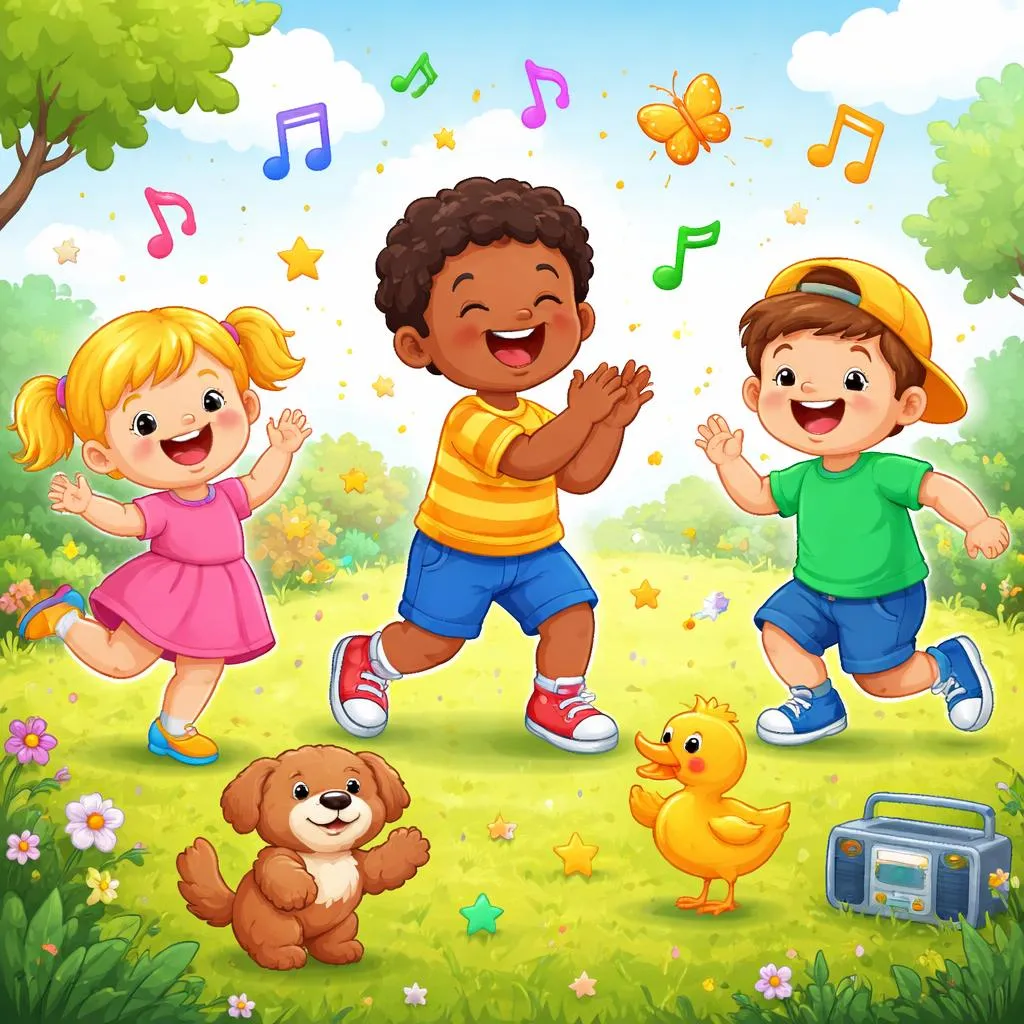
Let's start with a song that brings smiles and movement into our learning. The search for "if happy know it" leads us to one of the world's most beloved children's participation songs: "If You're Happy and You Know It." This isn't a story with a plot, but a joyful, instructional chant set to music. It invites singers to express happiness through specific, repetitive actions.
The brilliance of this song lies in its interactive design. It provides a simple framework: a condition ("If you're happy...") and a clear, physical response ("...clap your hands!"). This makes it a perfect tool for teaching body parts, action verbs, and emotional vocabulary in a way that feels like pure, energetic play. Everyone can join in, building confidence and group cohesion.
The lyrics of nursery rhymes
The classic lyrics of this song are wonderfully simple and expandable. The core verse is:
If you're happy and you know it, clap your hands. (Clap, clap) If you're happy and you know it, clap your hands. (Clap, clap) If you're happy and you know it, and you really want to show it, If you're happy and you know it, clap your hands. (Clap, clap)
The song then continues by replacing "clap your hands" with new actions: "stomp your feet," "shout 'Hooray!'", "nod your head," "do all four." The repetitive structure and the pause for the action make it incredibly easy to follow and remember. The lyrics from this "if happy know it" song are a model of clear, instructional language.
Vocabulary learning
This song is a powerhouse for learning practical vocabulary. First, it introduces the key emotion word: happy. It pairs this with the verb know. More importantly, it teaches the names of body parts: hands, feet, head.
The song is rich with action verbs: clap, stomp, shout, nod, do. The phrase "want to show it" introduces the concept of expressing feelings outwardly. By linking the feeling ("happy") to visible actions ("clap your hands"), the song helps children connect internal emotions with physical expression, building their emotional and descriptive vocabulary.
Phonics points
The lyrics offer great opportunities for focused sound practice. The song heavily features the short 'a' sound in happy, clap, hands, and, stamp. The 'ow' diphthong is in know and show. The rhyming couplets (it/know it/show it) reinforce common word endings.
We can also highlight initial consonant blends. Listen for the /cl/ in clap, the /st/ in stomp, the /sh/ in shout, and the /n/ in nod. The exclamation "Hooray!" practices the /h/ sound and the long /a/. Clapping or stomping in time with the song helps children feel the rhythm and stress patterns of the English phrases.
Grammar patterns
This song beautifully illustrates the first conditional structure in its simplest form, often used for real and possible situations. The pattern is: "If you are happy... (then) clap your hands." It sets up a condition (being happy) and a result (clapping). This is a foundational grammar structure presented in a completely natural and memorable way.
The song also uses the imperative mood for all the actions: "Clap your hands!" "Stomp your feet!" These are direct commands. Furthermore, the line "and you really want to show it" uses the verb "want to" to express desire. Children absorb these useful patterns through joyful repetition.
Learning activities
The primary activity is, of course, to sing and perform the song with gusto! Encourage big, clear motions. This connects language directly to movement, aiding memory. Once the standard verses are mastered, the learning can expand creatively.
A wonderful extension is "Create a New Verse." Brainstorm other ways to show happiness. What other body parts can we move? What other sounds can we make? Guide learners to invent new lines: "If you're happy and you know it, wiggle your ears!" or "If you're happy and you know it, give a smile!" This activity practices vocabulary, rhythm, and creative thinking within a familiar structure.
Printable materials
Printable resources can extend the song's concepts. Create a "Song Sequence Chart." This printable has four boxes. In each box, draw a picture of the action: 1. Clapping hands, 2. Stomping feet, 3. Shouting "Hooray!", 4. Nodding head. Children can color them and use the chart to lead the song or retell the sequence, reinforcing order and vocabulary.
Another great printable is a "Feeling & Action Match" worksheet. On one side, list emotions: happy, sad, sleepy, silly. On the other side, list actions: clap hands, stomp feet, take a nap, make a funny face. Children draw lines to connect the emotion with an action that might express it. This builds on the song's core idea of expressing feelings.
Educational games
Turn the song into structured play. Play "Emotion Action Freeze Dance." Play the song or similar music. Children dance happily. Pause the music and call out a command from the song: "If you're happy, STOMP YOUR FEET!" Everyone freezes and performs that action. This combines listening, movement, and quick recall.
For a quieter table game, create "Action Card Charades." Make cards with pictures of actions from the song and beyond (clap, stomp, shout, nod, jump, spin). A player picks a card and acts it out. Others guess by saying the full sentence: "If you're happy and you know it, [jump up and down]!" This tests vocabulary and sentence formation.
The enduring power of the "if happy know it" song is its perfect blend of simplicity, participation, and emotional expression. It gives children a safe, structured, and joyful way to explore language, rhythm, and their own feelings. By using the song as a springboard for creativity, discussion, and play, we deepen its educational value. This song teaches more than words; it teaches that language is active, social, and connected to how we feel and move in the world. It’s a celebration that everyone can understand and join, making it a timeless tool for joyful learning.