
生活中的小尴尬
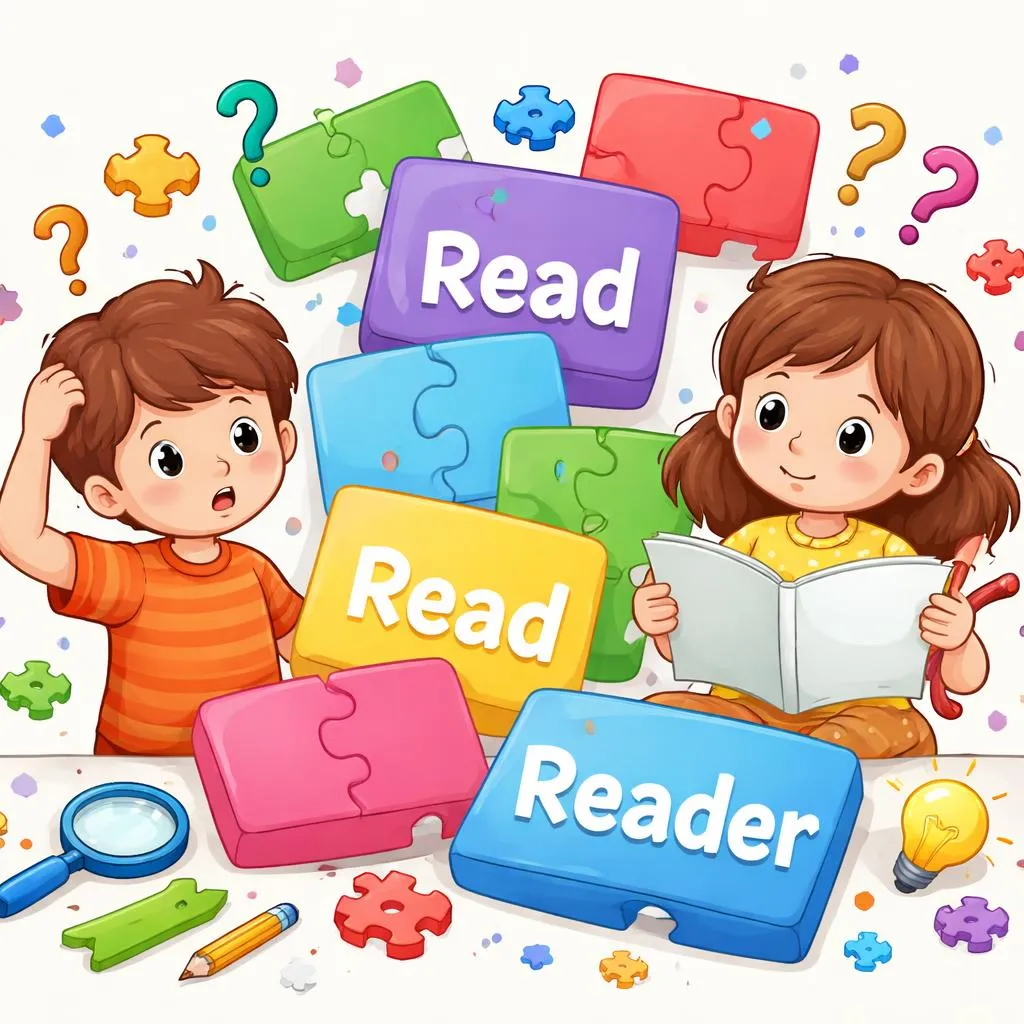
认识一下松鼠萨姆。他喜欢书。上周一,萨姆想说他看了文字。他大喊:“我是 reader!” 大家都笑了。他们以为他说的是一个人。萨姆觉得很傻。这种情况发生在很多孩子身上。今天,我们学习一个词族。把它们想象成工具箱里的工具。每个工具都有一个特殊的工作。我们称它们为 read、reading、read、reads 和 reader。它们看起来很像,但作用不同。读完这篇文章后,你就会完全理解它们。
核心比较区:深度分析
萨姆的一天还在继续。我们跟随他到任何地方。首先,认识一下成员。
Read 是“看”星。它做“看文字”的动作。我们称它为“看星”。Reading 是“看”的动作。它表示现在正在看文字的动作。我们称它为“看动作”。Read 也是“被看”的标记。它表示“看”发生在过去。我们称它为“被看标记”。Reads 是“看”星。它表示某人经常看。我们称它为“看星”。Reader 是“看”命名者。它命名看文字的人。我们称它为“看命名者”。
现在,让我们探讨它们之间的五种区别。
时间维度
时钟滴答作响。日历翻页。文字显示事情发生的时间。
在家里,萨姆喜欢每天 read。他现在正在 reading。他昨天 read 了。他每天晚上 reads。他现在是一个 reader。
在游乐场,萨姆看到孩子们 read。他们正在那里 reading。他上周 read 了。他经常 reads。他看到一个 reader 在那里。
在学校,萨姆学习 read。他现在正在 reading。他今天早上 read 了。他在课堂上 reads。他认识一个 reader。
在自然界,萨姆看到一只鸟 read。它现在正在 reading。它 last spring read 了。它 reads 树枝。他想象着一只鸟 reader。
每个词都显示时间。Read 表示现在。Reading 表示现在的动作。Read 表示过去的动作。Reads 表示习惯。Reader 表示现在。
角色维度
文字有工作。一些是动作。一些是命名。
在家里,read 是动作。“Read the book。” Reading 是动作。“He is reading。” Read 描述过去。“He read yesterday。” Reads 是动作。“He reads often。” Reader 是命名。“He is a reader。”
在游乐场,read 是动作。“Kids read signs。” Reading 是动作。“They are reading。” Read 描述过去。“They read last week。” Reads 是动作。“They read often。” Reader 是命名。“They watch a reader。”
在学校,read 是动作。“Read the page。” Reading 是动作。“He is reading。” Read 描述过去。“He read this morning。” Reads 是动作。“He reads in class。” Reader 是命名。“He knows a reader。”
在自然界,read 是动作。“Bird reads twigs。” Reading 是动作。“It is reading。” Read 描述过去。“It read last spring。” Reads 是动作。“It reads twigs。” Reader 是命名。“It imagines a bird reader。”
“看星”是动作。“看动作”表示正在做。“被看标记”表示已完成。“看星”表示习惯。“看命名者”命名人。
伙伴维度
有些词需要朋友。其他的可以单独存在。
在家里,read 可以单独存在。“Read book。” Reading 需要“is”或“are”。“He is reading。” Read 可以单独存在。“He read。” Reads 可以单独存在。“He reads。” Reader 需要“a”或“the”。“He is a reader。”
在游乐场,read 可以单独存在。“Kids read。” Reading 需要“is”或“are”。“They are reading。” Read 可以单独存在。“They read。” Reads 可以单独存在。“They read。” Reader 需要“a”。“They watch a reader。”
在学校,read 可以单独存在。“Read page。” Reading 需要“is”。“He is reading。” Read 可以单独存在。“He read。” Reads 可以单独存在。“He reads。” Reader 需要“a”。“He knows a reader。”
在自然界,read 可以单独存在。“Bird reads。” Reading 需要“is”。“It is reading。” Read 可以单独存在。“It read。” Reads 可以单独存在。“It reads。” Reader 需要“a”。“It imagines a bird reader。”
“看星”是独立的。“看动作”喜欢连系动词。“被看标记”是独立的。“看星”是独立的。“看命名者”喜欢冠词。
细微差别维度
小的选择会改变含义。让我们看看微小的差异。
在家里,说“read book”表示动作。说“he is reading”表示正在进行。说“he read”表示过去。说“he reads”表示习惯。说“he is a reader”表示这个人。
在游乐场,“kids read signs”表示动作。“they are reading”表示现在。“they read”表示过去。“they read”表示习惯。“they watch a reader”命名人。
在学校,“read the page”是任务。“he is reading”表示现在。“he read”表示过去。“he reads”是例行公事。“he knows a reader”描述人。
在自然界,“bird reads twigs”是自然的。“it is reading”表示现在。“it read”表示过去。“it reads”是本能。“it imagines a bird reader”命名鸟。
使用“看星”表示动作。使用“看动作”表示正在做。使用“被看标记”表示过去。使用“看星”表示习惯。使用“看命名者”命名 reader。
陷阱
这部分很长。很多孩子都掉进了陷阱。我们一起修复它们。
陷阱一:使用“reader”作为动词。错误:“I reader the book。” 正确:“I read the book。” 为什么?“Reader”是一个名词。它命名一个人。它不能表示动作。只有“read”才能做到这一点。记忆提示:“Reader 命名,read 动作。”
陷阱二:使用“read”作为人。错误:“He is a read。” 正确:“He is a reader。” 为什么?“Read”是一个动词。它表示动作。它不能命名一个人。只有“reader”才能命名它。记忆提示:“Read 动作,reader 命名。”
陷阱三:使用“reading”作为名词。错误:“I have a reading。” 实际上,“reading”可以是一个动名词,但在我们的教学中,我们把它当作现在分词。我们说:“I love reading。” 但陷阱是:把它用作没有动词的独立名词。错误:“I have a reading。” 正确:“I am reading。” 为什么?“Reading”表示动作。它不能单独成为一件事。记忆提示:“Reading 动作,不是一件事。”
陷阱四:使用“read”作为现在时,但意思是过去。错误:“I read now。” 实际上,“read”是基本形式和过去时。上下文很重要。如果现在,使用“am reading”。记忆提示:“现在需要 reading,过去需要 read。”
陷阱五:使用“reads”表示过去的动作。错误:“He reads yesterday。” 正确:“He read yesterday。” 为什么?“Yesterday”需要过去时。“Reads”是现在时。使用“read”表示过去。记忆提示:“Yesterday 需要 read,习惯需要 reads。”
陷阱六:在一句话中混淆所有五个。错误:“The read reading read reads reader。” 正确:“I read. I am reading. I read. He reads. He is a reader.” 现在清楚了。总是问:动作?正在进行?过去?习惯?人?记忆提示:“动作,正在进行,过去,习惯,人——选择一个。”
陷阱七:使用“reader”而没有冠词。错误:“He is reader.” 正确:“He is a reader.” 为什么?“Reader”是可数的。它需要“a”或“the”。记忆提示:“Reader 需要 ‘a’ 或 ‘the’。”
陷阱八:使用“reading”而没有连系动词。错误:“He reading.” 正确:“He is reading.” 为什么?“Reading”是现在分词。它需要“is”或“are”。记忆提示:“Reading 需要 is 或 are。”
陷阱九:使用“read”作为形容词而没有助词。错误:“Book read.” 实际上,这可以是简单过去时,但作为形容词:“The book was read.” 不典型。更好:“He read the book.” 记忆提示:“Read 是动词,不是形容词。”
陷阱十:混淆“read”和“look”。错误:“I look the book.” 两个都可以,但“read”专门用于文字。记忆提示:“Read 用于文字,look 是通用的。”
陷阱十一:使用“reads”作为单数。错误:“A reads is here.” 正确:“A read is here.” 或 “Many reads are here.” 为什么?“Reads”是复数。记忆提示:“Reads 是复数,read 是单数。”
陷阱十二:使用“reader”作为复数。错误:“Two readers is here.” 实际上,“readers”是复数。但我们只有“reader”作为单数。我们把它当作单数。记忆提示:“Reader 是单数,加 s 表示复数。”
这些陷阱会绊倒很多人。练习发现它们。很快你就能轻松躲避它们。
详细总结
让我们把所有内容联系起来。如果你谈论看文字,使用“read”。如果你表示现在正在阅读的动作,使用“reading”和“is”或“are”。如果你谈论之前看,使用单独的“read”。如果你谈论经常看,使用“reads”。如果你命名看文字的人,使用“reader”和“a”或“the”。记住它们的伙伴。“Read”可以单独存在。“Reading”喜欢连系动词。“Read”可以单独存在。“Reads”可以单独存在。“Reader”喜欢冠词。记住这些规则。你将掌握这个词族。
练习
任务 A:最佳选择。填空。在两个选项之间选择。
场景:家。妈妈说:“___ the book.” 选项:Reader / Read。答案:Read。因为它表示动作。
场景:游乐场。萨姆大喊:“I am ___ now!” 选项:Read / Reading。答案:Reading。因为它表示正在进行的动作。
场景:学校。老师说:“He ___ every day.” 选项:Read / Reads。答案:Reads。因为它表示习惯。
任务 B:鹰眼。查找并修复错误。阅读段落。
“Yesterday, I reader the book. He is a read. She reading now. They have reads.”
修复:“Yesterday, I read the book. He is reading. She is reading now. They read.”
任务 C:当导演。创建句子。使用两种形式。
场景:家庭晚餐。使用“read”和“reader”。示例:We read stories. Dad is a reader.
场景:自然徒步旅行。使用“read”和“reads”。示例:Bird read twig. It reads often.
你学到了什么
你学会了区分 read、reading、read、reads 和 reader。你练习了在真实场景中使用它们。你发现了常见的错误并修复了它们。你获得了选择正确单词的信心。
你的行动步骤
今天在家里读一些东西。在晚餐时用“reader”说一句话。今天下午画一张鸟读树枝的图画。每天坚持练习。