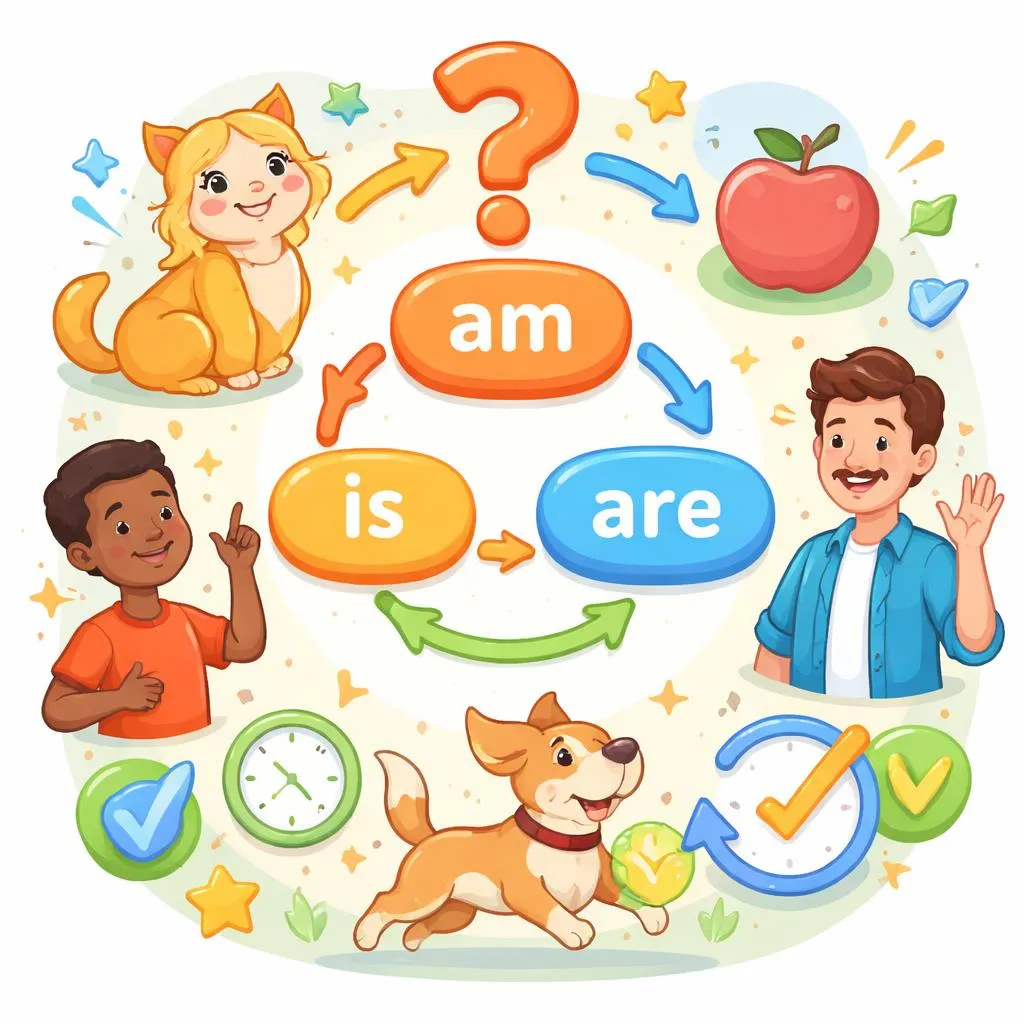

在学习英语语法时,最重要的主题之一就是动词“to be”。如果有人搜索“verb to br”,这通常是“verb to be”的打字错误。
动词“to be”是英语中最常见和最基本的动词之一。它用于描述身份、状况、年龄、位置等等。
动词“to be”的形式
动词“to be”的形式会根据时态和主语而变化。
现在时
am is are
I am You are He is She is It is We are They are
例子:
I am happy. She is a teacher. They are ready.
过去时
was were
I was You were He was She was It was We were They were
例子:
She was tired yesterday. We were at school. They were excited.
基本形式
be
基本形式出现在情态动词之后或不定式中。
I want to be a doctor. You must be careful.
过去分词
been
用于完成时态:
I have been busy. She has been kind.
现在分词
being
用于进行时或被动结构:
He is being polite. The work is being completed.
动词“to be”的主要用法
身份
动词“to be”将主语与名词连接起来。
She is a student. He is my brother.
它充当系动词。
描述
动词“to be”将主语与形容词连接起来。
The sky is blue. The movie was interesting.
它描述一种品质或状态。
年龄
在英语中,年龄使用动词“to be”。
I am ten years old. She is twenty.
有些语言使用“have”表示年龄,但英语使用“be”。
位置
动词“to be”描述位置。
The book is on the table. We are at home.
时间和日期
It is five o’clock. Today is Monday.
动词“To Be”在疑问句中
要构成疑问句,动词“to be”移到主语之前。
Are you ready? Is she here? Was he late?
这种倒装形式构成是/否疑问句。
否定句
在动词后添加“not”。
I am not tired. She is not at home. They were not happy.
缩写在口语中很常见。
I’m not She isn’t They weren’t
动词“To Be”在进行时态中
动词“to be”用于构成进行时态。
结构:
主语 + be + 动词-ing
I am studying. She is working. They were playing.
如果没有动词“to be”,进行时态是不可能的。
动词“To Be”在被动语态中
被动语态使用动词“to be”加上过去分词。
The cake was baked yesterday. The project is finished. The letter was written by her.
动词“to be”在被动结构中是必不可少的。
常见错误
使用错误的形式:
错误:She are happy. 正确:She is happy.
忘记动词:
错误:He tall. 正确:He is tall.
在英语中,一个句子通常需要一个动词。动词“to be”经常扮演这个角色。
为什么动词“To Be”很重要
动词“to be”是基础,因为:
它将主语与描述联系起来。 它构成进行时态。 它创建被动语态。 它出现在日常交流中。
它是学习者学习的第一个动词之一,也是英语中最常用的动词之一。
练习句子
I am ready for class. She is my friend. They are excited about the trip. We were surprised by the news. He has been very helpful.
理解动词“to be”为英语语法奠定了坚实的基础。它支持句子结构、时态构成和清晰的交流。
动词“To Be”作为系动词
动词“to be”通常被称为系动词。系动词将主语与关于主语的信息连接起来。它不显示动作。相反,它显示一种状态或条件。
在句子中:
She is a teacher.
动词“is”将“she”与“a teacher”联系起来。它不描述一个动作。它连接身份。
在句子中:
The weather is cold.
动词“is”将主语“weather”与形容词“cold”联系起来。
理解这种连接功能有助于学习者避免与动作动词(如 run、eat 或 write)混淆。
动词“To Be”和表语名词
当动词“to be”将主语与名词连接起来时,该名词称为表语名词。
例子:
He is a doctor. They are students. My sister is an engineer.
表语名词提供有关主语的更多信息。
这种结构在介绍和描述中很常见。
动词“To Be”和表语形容词
当动词“to be”将主语与形容词连接起来时,该形容词称为表语形容词。
例子:
The soup is hot. The children were quiet. The exam was difficult.
形容词描述主语,而不是动词。
识别表语形容词可以加强句子分析技能。
动词“To Be”的缩写
在日常口语中,动词“to be”经常以缩写形式出现。
I am → I’m You are → You’re He is → He’s She is → She’s It is → It’s We are → We’re They are → They’re
否定缩写也很常见:
is not → isn’t are not → aren’t was not → wasn’t were not → weren’t
缩写在非正式写作和对话中很常见,但在正式写作中通常更喜欢完整形式。
动词“To Be”在 There Is / There Are 中
动词“to be”出现在带有“there”的存在句中。
There is a book on the table. There are many students in the classroom.
在过去时:
There was a problem. There were several questions.
动词与后面的名词一致。
There is + 单数名词 There are + 复数名词
这种结构经常用于引入新信息。
动词“To Be”在强调句中
动词“to be”可以在某些句子结构中添加强调。
What is important is your effort. The problem is the lack of time.
在这些句子中,“is”突出了关键思想。
这种结构经常出现在正式的解释和学术写作中。
动词“To Be”在带有 Wh 词的疑问句中
动词“to be”也用于 wh 疑问句。
Where are you? Why is she late? Who was at the door? What is your name?
在这些问题中,动词位于主语之前。
Wh 词 + be + 主语
这种结构在日常对话中是必不可少的。
动词“To Be”在比较中
动词“to be”出现在比较结构中。
She is taller than her brother. This book is more interesting than that one. The weather was better yesterday.
动词将主语与比较形容词连接起来。
动词“To Be”和进行被动语态
动词“to be”可以在一个句子中出现两次,以构成进行被动语态。
The house is being painted. The documents were being prepared.
结构:
主语 + be + being + 过去分词
这种高级结构表明正在对主语执行一个动作。
动词“To Be”在附加疑问句中
动词“to be”出现在附加疑问句中。
You are ready, aren’t you? She is coming, isn’t she? They were late, weren’t they?
标签重复动词“to be”的否定或肯定形式。
附加疑问句在口语英语中很常见。
动词“To Be”在条件句中
动词“to be”出现在条件形式中。
If I am late, call me. If she were here, she would help.
注意在假设情况下使用的特殊形式“were”。
If I were you, I would study more.
这种结构表达不真实或虚构的情况。
动词“To Be”在正式写作中
在正式写作中,动词“to be”有时会被简化以使句子更具主动性。
例如:
The report was written by the manager.
这是被动语态。
一个主动版本是:
The manager wrote the report.
作者经常修改句子以减少不必要地使用“to be”并创建更强的动作动词。
但是,动词“to be”在许多语法结构中仍然是必不可少的。
为什么掌握动词“To Be”很重要
动词“to be”出现在:
基本描述 身份陈述 进行时态 被动语态 问题 否定形式 比较 存在句
由于其多种用途,掌握动词“to be”可以建立强大的语法基础。
如果没有动词“to be”,英语句子通常是不完整的。
理解其形式、功能和结构支持更清晰的写作、更好的口语和更自信的英语交流。