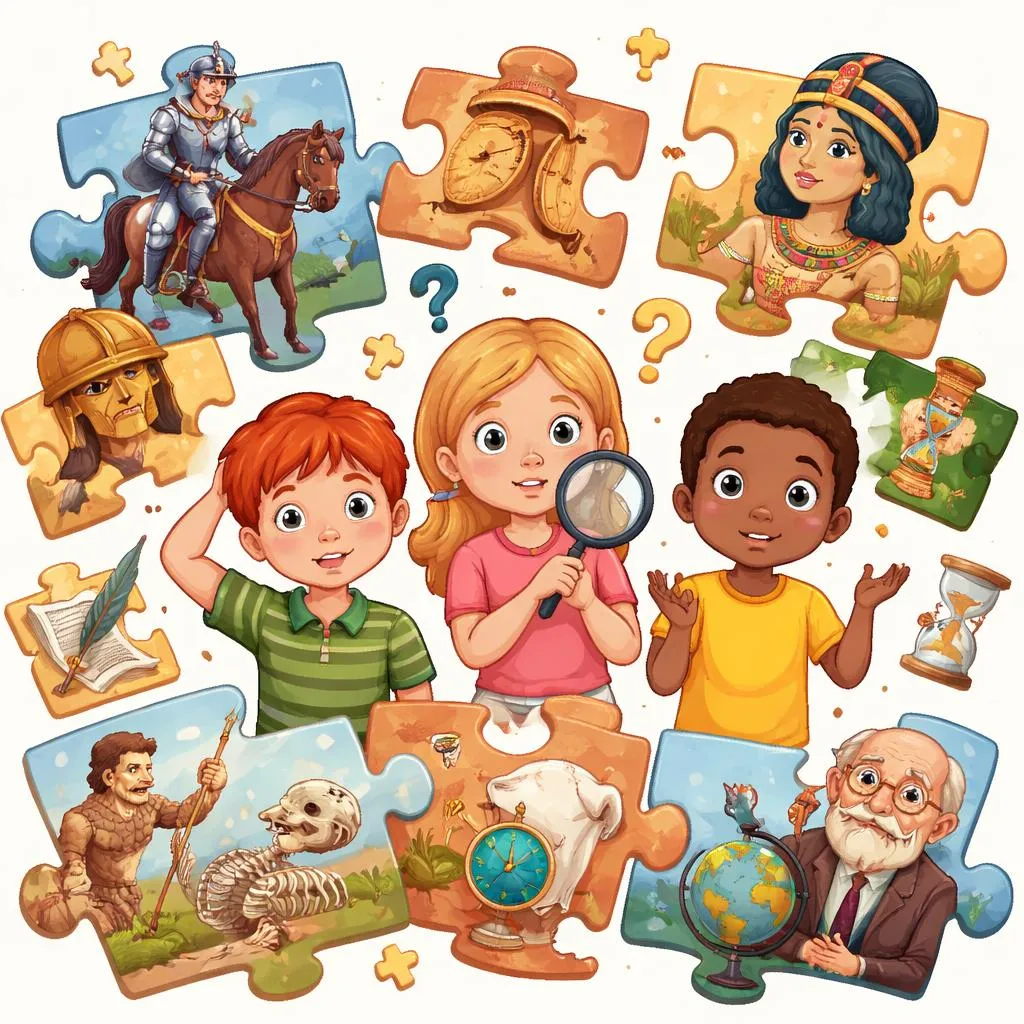

生活中的小尴尬
认识一下小松鼠萨姆。他喜欢和爷爷一起听故事。上个星期二,萨姆想说爷爷知道历史。他大喊:“爷爷是“historical”!”大家都笑了。他们认为爷爷是一个古老的事件。萨姆觉得很傻。这种情况发生在很多孩子身上。今天,我们学习一个词族。把它们想象成工具箱里的工具。每个工具都有一个特殊的工作。我们称它们为“history”、“historical”、“historically”和“historian”。它们看起来很像,但工作方式不同。读完这篇文章后,你就会完全理解它们。
核心比较区:深度分析
萨姆的一天还在继续。我们跟随他到任何地方。首先,认识一下成员。
“History”是故事的守护者。它讲述了很久以前发生的事情。我们称它为“故事守护者”。“Historical”是时间的画家。它描述了过去的事情。我们称它为“时间画家”。“Historically”是习惯的助手。它显示了事情通常是如何发生的。我们称它为“习惯助手”。“Historian”是故事的侦探。它指的是研究历史的人。我们称它为“故事侦探”。
现在,让我们探讨它们之间的五种区别。
时间维度
时钟滴答作响。日历翻页。文字显示事情发生的时间。
在家里,萨姆每天都读历史书。这张照片是去年的“historical”照片。家人“historically”一起吃饭。“Mom”是我们的家庭“historian”。
在游乐场,萨姆从老人们那里听到“history”。这个滑梯自公园开放以来就是“historical”的了。孩子们“historically”放学后在这里玩耍。教练是球队胜利的“historian”。
在学校,萨姆在课堂上学习“history”。这栋建筑是1900年的“historical”建筑。学生们“historically”学习英雄。“Teacher”是当地故事的“historian”。
在大自然中,萨姆在岩石中发现了“history”。这个洞穴是来自古代的“historical”洞穴。动物们“historically”每个季节都会迁徙。护林员是森林变化的“historian”。
每个词都显示了时间。“History”是主题。“Historical”描述过去的事情。“Historically”描述通常的模式。“Historian”指的是一个人。
角色维度
单词在句子中扮演着不同的角色。有些是名词。有些是描述性的。
在家里,“history”是一个主题。“Read history.”“Historical”是描述性的。“The photo is historical.”“Historically”描述习惯。“We historically bake pies.”“Historian”指的是一个人。“Mom is a historian.”
在游乐场,“history”指的是故事。“Hear history.”“Historical”是描述性的。“The slide is historical.”“Historically”描述习惯。“Kids historically cheer.”“Historian”指的是一个人。“Coach is a historian.”
在学校,“history”指的是一门课。“Study history.”“Historical”是描述性的。“The building is historical.”“Historically”描述习惯。“Students historically read.”“Historian”指的是一个人。“Teacher is a historian.”
在大自然中,“history”指的是事件。“Find history.”“Historical”是描述性的。“The cave is historical.”“Historically”描述习惯。“Animals historically migrate.”“Historian”指的是一个人。“Ranger is a historian.”
“Story Keeper”是主题。“Time Painter”修饰名词。“Habit Helper”修饰动词。“Story Detective”指的是人。
伙伴维度
有些词需要朋友。其他的可以单独存在。
在家里,“history”可以单独存在。“Love history.”“Historical”需要“is”或“seems”。“It is historical.”“Historically”需要与动词连用。“We bake historically.”“Historian”需要“a”或“the”。“She is a historian.”
在游乐场,“history”可以单独存在。“Tell history.”“Historical”需要“is”。“The slide is historical.”“Historically”需要“historically”。“Kids play historically.”“Historian”需要“the”。“The coach is a historian.”
在学校,“history”可以单独存在。“Learn history.”“Historical”需要“is”。“The building is historical.”“Historically”需要“historically”。“Students learn historically.”“Historian”需要“a”。“A historian visits.”
在大自然中,“history”可以单独存在。“Discover history.”“Historical”需要“is”。“The cave is historical.”“Historically”需要“historically”。“Animals migrate historically.”“Historian”需要“the”。“The ranger is a historian.”
“Story Keeper”是独立的。“Time Painter”喜欢连系动词。“Habit Helper”喜欢动词。“Story Detective”喜欢冠词。
细微差别维度
小的选择会改变含义。让我们看看微小的差异。
在家里,用“history book”表示主题。用“historical photo”表示旧事物。用“historically we bake”表示传统。用“family historian”表示妈妈。
在游乐场,“history tales”是故事。“historical slide”是旧的。“historically kids play”是通常的。“team historian”知道胜利。
在学校,“history class”是主题。“historical building”是旧的。“historically students read”是通常的。“school historian”记录事件。
在大自然中,“history in rocks”是证据。“historical cave”是古代的。“historically animals migrate”是模式。“forest historian”研究变化。
用“Story Keeper”表示主题。用“Time Painter”表示旧事物。用“Habit Helper”表示习惯。用“Story Detective”表示人。
陷阱
这部分很长。很多孩子都会掉进陷阱。我们一起修复它们。
陷阱一:将“historical”用作名词。错误:“I love historical.”正确:“I love history.”为什么?“Historical”是一个形容词。它描述名词。它本身不能成为一个事物。只有“history”才能命名主题。记忆提示:“Historical”描述,“history”命名。
陷阱二:用“history”来描述某事物。错误:“This is a history photo.”正确:“This is a historical photo.”为什么?“History”是一个名词。它命名主题。要描述一张旧照片,请使用“historical”。记忆提示:“History”命名,“historical”描述。
陷阱三:将“historically”用作人。错误:“She is a historically.”正确:“She is a historian.”为什么?“Historically”是一个副词。它描述事情是如何发生的。它不能命名一个人。用“historian”来指人。记忆提示:“Ly”词描述,“ian”词命名。
陷阱四:错误地混淆“historical”和“historian”。错误:“He is a historical.”正确:“He is a historian.”为什么?“Historical”描述事物。“Historian”命名人。记忆提示:“Al”描述事物,“ian”命名人。
陷阱五:在一句话中混淆所有四个词。错误:“The historical history historically historian.”正确:“The historical photo shows history. The historian studies it.”现在清楚了。总是问:它是一个主题吗?一件旧东西吗?一种习惯吗?一个人吗?记忆提示:“主题、旧的、习惯、人——选择一个。”
这些陷阱会绊倒很多人。练习发现它们。很快你就能轻松躲避它们。
详细总结
让我们把一切联系起来。如果你谈论过去事件的主题,就用“history”。如果你描述过去的事情,就用“historical”。如果你谈论事情通常是如何发生的,就用“historically”。如果你指的是研究历史的人,就用“historian”。记住它们的伙伴。“History”可以单独存在。“Historical”需要“is”或“seems”。“Historically”需要一个动词。“Historian”需要“a”或“the”。记住这些规则。你将掌握这个词族。
练习
任务 A:最佳选择。填空。在两个选项之间选择。
场景:家。爸爸说:“读一本___书。”选项:history / historical。答案:history。因为它命名了主题。
场景:游乐场。萨姆喊道:“这个滑梯是___!”选项:historically / historical。答案:historical。因为它描述了旧滑梯。
场景:学校。老师说:“她是一位著名的___。”选项:historically / historian。答案:historian。因为它指的是人。
任务 B:鹰眼。查找并修复错误。阅读这段话。
“昨天,我读了historical。这栋建筑是history。她是一个historically。我们historically烤派。”
修复:“昨天,我读了history。这栋建筑是historical。她是一个historian。我们historically烤派。”
任务 C:当导演。创建句子。使用两种形式。
场景:家庭晚餐。使用“history”和“historical”。示例:我们谈论家庭history。奶奶展示了historical照片。
场景:自然徒步旅行。使用“historically”和“historian”。示例:动物们historically迁徙。护林员是一个historian。
你学到了什么
你学会了区分“history”、“historical”、“historically”和“historian”。你练习了在真实场景中使用它们。你发现了常见的错误并修复了它们。你对选择正确的词语更有信心了。
你的行动步骤
今天问问祖父母关于“history”的事情。在晚餐时用“historical”说一句话。今天下午画一张“historian”的画。每天坚持练习。