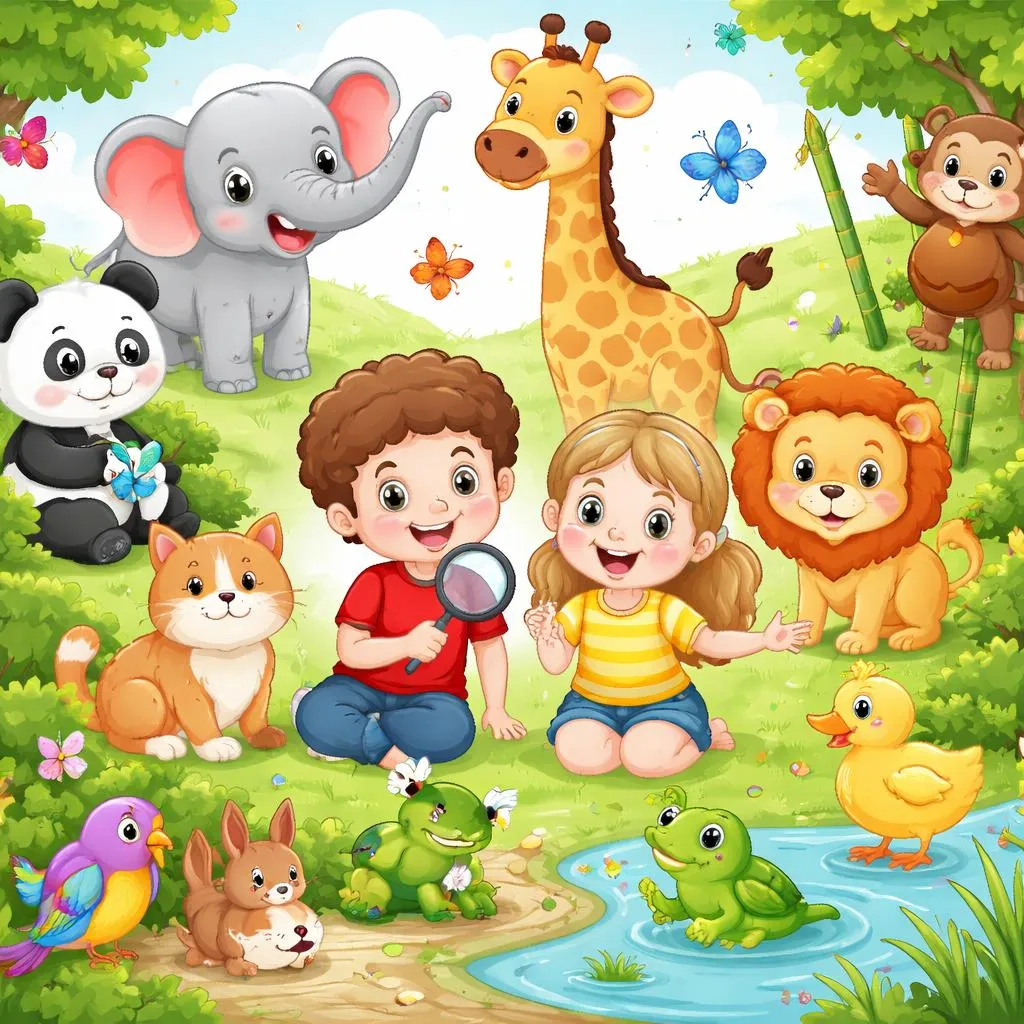

動物詞彙是人們學習最早的詞彙之一。 它們很簡單。 它們也很熟悉。
動物出現在故事中。 它們出現在歌曲中。 它們出現在日常生活中。
學習動物詞彙 可以幫助初學者以自然友好的方式 建立詞彙量。
什麼是動物詞彙
動物詞彙是動物的名稱。 它們是名詞。
Dog 是一個動物詞彙。 Cat 是一個動物詞彙。
Bird 是一個動物詞彙。 Fish 是一個動物詞彙。
這些詞彙描述了活生生的生物。 它們很容易想像。
圖片有助於記憶。 記憶支持學習。
為什麼動物詞彙很重要
動物詞彙讓人感覺有趣。 它們讓人感覺安全。
孩子們喜歡動物。 初學者可以認出它們。
這讓學習更容易。 輕鬆學習可以建立自信。
自信鼓勵說話。 說話支持語言的成長。
初學者常用的動物詞彙
有些動物詞彙非常常見。
Dog Cat
Cow Pig
Horse Sheep
這些詞彙經常出現。 它們在早期很有用。
它們出現在書本中。 它們出現在對話中。
農場動物詞彙
農場動物很容易想像。
Cow Pig
Chicken Duck
Goat Sheep
這些動物出現在故事中。 它們在課堂上很常見。
農場動物有助於早期學習。 它們讓人感覺很熟悉。
寵物動物詞彙
寵物與人很親近。
Dog Cat
Rabbit Hamster
Bird Fish
寵物詞彙出現在日常口語中。 它們支持簡單的對話。
談論寵物讓人感覺很個人。 個人語言可以建立參與感。
野生動物詞彙
野生動物生活在大自然中。
Lion Tiger
Bear Elephant
Monkey Giraffe
這些詞彙出現在書本中。 它們出現在卡通中。
野生動物激發好奇心。 好奇心支持學習。
動物園動物詞彙
動物園展示了許多動物。
Zebra Panda
Kangaroo Penguin
Snake Crocodile
動物園動物具有視覺性。 視覺學習有助於記憶。
這些詞彙讓人感覺很刺激。 刺激可以增加注意力。
海洋動物詞彙
海洋動物生活在水中。
Fish Shark
Whale Dolphin
Octopus Crab
水生動物讓人感覺不同。 差異有助於辨識。
它們支持分類學習。 分類可以組織詞彙。
鳥類動物詞彙
鳥類會飛。
Bird Eagle
Parrot Owl
Duck Swan
鳥類詞彙出現在故事中。 它們增加了動作和聲音。
鳥類有助於描述大自然。 大自然的詞彙讓人感覺平靜。
昆蟲動物詞彙
昆蟲是小型動物。
Ant Bee
Butterfly Fly
Spider Ladybug
昆蟲詞彙有助於描述大小。 它們支持觀察語言。
觀察可以建立意識。 意識支持學習。
嬰兒動物詞彙
有些動物有特殊的嬰兒名稱。
Dog baby is puppy. Cat baby is kitten.
Cow baby is calf. Sheep baby is lamb.
這些詞彙增加了趣味性。 趣味性可以提高記憶力。
動物詞彙和複數
動物詞彙在複數形式中會發生變化。
One dog. Two dogs.
One cat. Many cats.
添加 s 很常見。 這有助於語法練習。
簡單的複數規則讓人感覺容易掌握。
動物詞彙和冠詞
冠詞出現在動物詞彙之前。
A dog. A cat.
The bird. The fish.
冠詞在英語中很重要。 動物詞彙可以幫助練習它們。
動物詞彙和形容詞
形容詞描述動物。
Big dog. Small cat.
Fast horse. Slow turtle.
描述可以建立句子技能。 技能逐步增長。
動物詞彙和顏色
顏色增加了細節。
Black cat. White dog.
Brown horse. Yellow bird.
顏色詞彙與動物搭配得很好。 這支持早期的句子建構。
動物詞彙和聲音
動物發出聲音。
Dog says woof. Cat says meow.
Cow says moo. Duck says quack.
聲音詞彙讓人感覺很有趣。 有趣的學習可以持續更長時間。
動物詞彙在簡單的句子中
簡單的句子可以建立自信。
The dog runs. The cat sleeps.
The bird flies. The fish swims.
短句子讓人感覺清晰。 清晰度可以減輕壓力。
動物詞彙和動作動詞
動物會動。
Run Jump
Fly Swim
動物詞彙支持動詞學習。 動詞增加了動作。
動作使語言生動。 生動的語言讓人感覺有趣。
動物詞彙和問題
問題有助於對話。
Do you like dogs. Is that a cat.
What animal is this. Where is the bird.
問題邀請回答。 回答可以建立互動。
動物詞彙和日常生活
動物出現在生活中。
Pets at home. Birds outside.
Animals in books. Animals on screens.
在生活中看到詞彙 可以增強記憶。
動物詞彙和故事
故事喜歡動物。
A brave lion. A clever fox.
動物像人一樣行動。 這讓人感覺很友好。
故事支持想像力。 想像力支持理解。
動物詞彙和歌曲
歌曲使用動物詞彙。
Old songs. New songs.
音樂支持重複。 重複可以建立記憶。
唱歌可以減輕壓力。 壓力會阻礙學習。
動物詞彙和遊戲
遊戲使用動物。
Guess the animal. Match the picture.
遊戲讓人感覺很有趣。 玩耍可以建立舒適感。
舒適感支持參與。
動物詞彙和圖片
圖片有助於動物詞彙。
See a dog. Say dog.
Point and name. Repeat again.
視覺支持是強大的。 它對初學者有幫助。
動物詞彙和早期閱讀
動物詞彙在早期閱讀中出現。
Cat Dog
Pig Hen
短詞讓人感覺容易。 輕鬆閱讀可以建立自信。
動物詞彙和寫作練習
寫動物詞彙很簡單。
Write dog. Write cat.
Tracing helps. Copying helps.
寫作支持拼寫。 拼寫支持閱讀。
動物詞彙和記憶
動物詞彙很容易記住。
它們有形狀。 它們有聲音。
它們與情感相連。 情感支持回憶。
這使它們成為初學者的理想選擇。
動物詞彙和兒童學習
孩子們喜歡動物。
They enjoy naming them. They enjoy drawing them.
動物詞彙支持好奇心。 好奇心驅動學習。
動物詞彙和成人學習者
成年人也喜歡動物主題。
They feel neutral. They feel friendly.
動物詞彙適用於課堂。 它們適用於自學。
簡單的主題可以減輕焦慮。
動物詞彙和分類
動物可以分組。
Farm animals. Wild animals.
Sea animals. Pet animals.
分組支持組織。 組織支持記憶。
動物詞彙和發音練習
發音會隨著熟悉的詞彙而提高。
Dog is clear. Cat is clear.
清晰的聲音可以建立自信。 自信可以提高口語。
動物詞彙是很好的練習。
動物詞彙和聽力
聽力會隨著已知詞彙而提高。
Hearing dog is easy. Hearing cat is easy.
辨識詞彙可以減少努力。 減少努力可以提高理解力。
動物詞彙和詞彙量增長
一個動物詞彙可以引導出更多詞彙。
Dog leads to puppy. Cat leads to kitten.
詞彙量自然增長。 自然增長可以持續更長時間。
動物詞彙和語言舒適度
舒適度在學習中很重要。
動物詞彙讓人感覺安全。 安全的語言鼓勵使用。
使用語言可以建立流利度。 流利度可以建立自信。
動物詞彙和長期學習
動物詞彙仍然有用。
它們出現在所有級別。 它們不會消失。
強大的基本詞彙 支持未來的語言成長。
動物詞彙作為學習工具
動物詞彙很簡單。 它們具有視覺性。
它們與生活相連。 它們與情感相連。
學習動物詞彙 可以幫助初學者建立詞彙量, 句子自信, 以及語言意識 以清晰、友好、 和愉快的方式 從一開始就開始。 Animal Words and Size Awareness
Animals come in many sizes.
Big animals exist. Small animals exist.
An elephant is big. A mouse is small.
Size words pair well with animals. They help describe the world.
Description improves clarity. Clarity supports understanding.
Animal Words and Movement
Animals move in different ways.
Birds fly. Fish swim.
Horses run. Snakes crawl.
Movement verbs add life to sentences.
Living language feels real. Real language is easier to remember.
Animal Words and Habitats
Animals live in places.
Fish live in water. Birds live in trees.
Bears live in forests. Camels live in deserts.
Habitat words connect animals to environment.
This builds world knowledge. World knowledge supports comprehension.
Animal Words and Food
Animals eat food.
Cows eat grass. Lions eat meat.
Birds eat seeds. Fish eat plants.
Food vocabulary adds detail to sentences.
Details improve expression. Expression builds confidence.
Animal Words and Simple Facts
Facts make learning interesting.
Dogs are friendly. Cats are quiet.
Turtles are slow. Rabbits are fast.
Simple facts support sentence variety.
Variety keeps attention. Attention improves learning.
Animal Words and Opposites
Opposites help memory.
Fast animals. Slow animals.
Big animals. Small animals.
Learning through contrast strengthens understanding.
The brain remembers differences well.
Animal Words and Counting
Animals help with numbers.
One dog. Two dogs.
Three cats. Four birds.
Counting with animals feels natural.
Natural practice supports math and language together.
Animal Words and Daily Routines
Animals appear in routines.
Feed the dog. Walk the dog.
Watch birds. See fish.
Routine sentences feel useful.
Useful language motivates learners.
Animal Words and Emotions
Animals show feelings.
A happy dog. A sleepy cat.
An angry bull. A calm cow.
Emotion words add depth to language.
Depth improves communication.
Animal Words and Question Building
Animals are good for questions.
What animal is this. Is this a dog.
Where is the cat. Do you like animals.
Questions invite answers. Answers build interaction.
Animal Words and Story Creation
Stories grow with animals.
A small mouse. A big lion.
Animals act and move. Stories become lively.
Storytelling supports imagination.
Imagination supports language growth.
Animal Words and Drawing Activities
Drawing helps memory.
Draw a cat. Say cat.
Color the dog. Say dog.
Art connects word and image. Connection strengthens recall.
Animal Words and Sound Awareness
Animal sounds support listening.
Woof sounds like a dog. Meow sounds like a cat.
Matching sound and animal builds awareness.
Awareness improves listening skill.
Animal Words and Cultural Presence
Animals appear in culture.
Stories use animals. Songs use animals.
Symbols use animals. Cartoons use animals.
Cultural presence makes words familiar.
Familiarity supports confidence.
Animal Words and Language Play
Language play matters.
Guess the animal. Act like the animal.
Play reduces fear. Fear blocks speaking.
Animal words invite play. Play supports learning.
Animal Words and Review Practice
Review keeps words active.
Name five animals. Describe one animal.
Short review works. Daily review works better.
Consistency supports retention.
Animal Words and Learning Comfort
Comfort supports progress.
Animal words feel friendly. Friendly language feels safe.
Safe learning encourages participation.
Participation builds fluency.
Animal Words and Steady Growth
Growth is gradual.
One word at a time. One sentence at a time.
Animal words support steady vocabulary growth.
Steady growth creates strong language foundations.
動物詞彙持續支持學習 隨著詞彙量的擴展。
它們連接聲音, 圖像, 動作, 和情感。
通過回歸動物詞彙, 學習者可以增強自信, 句子技能, 和語言意識, 以平靜、自然、 和愉快的方式 建立英語能力。