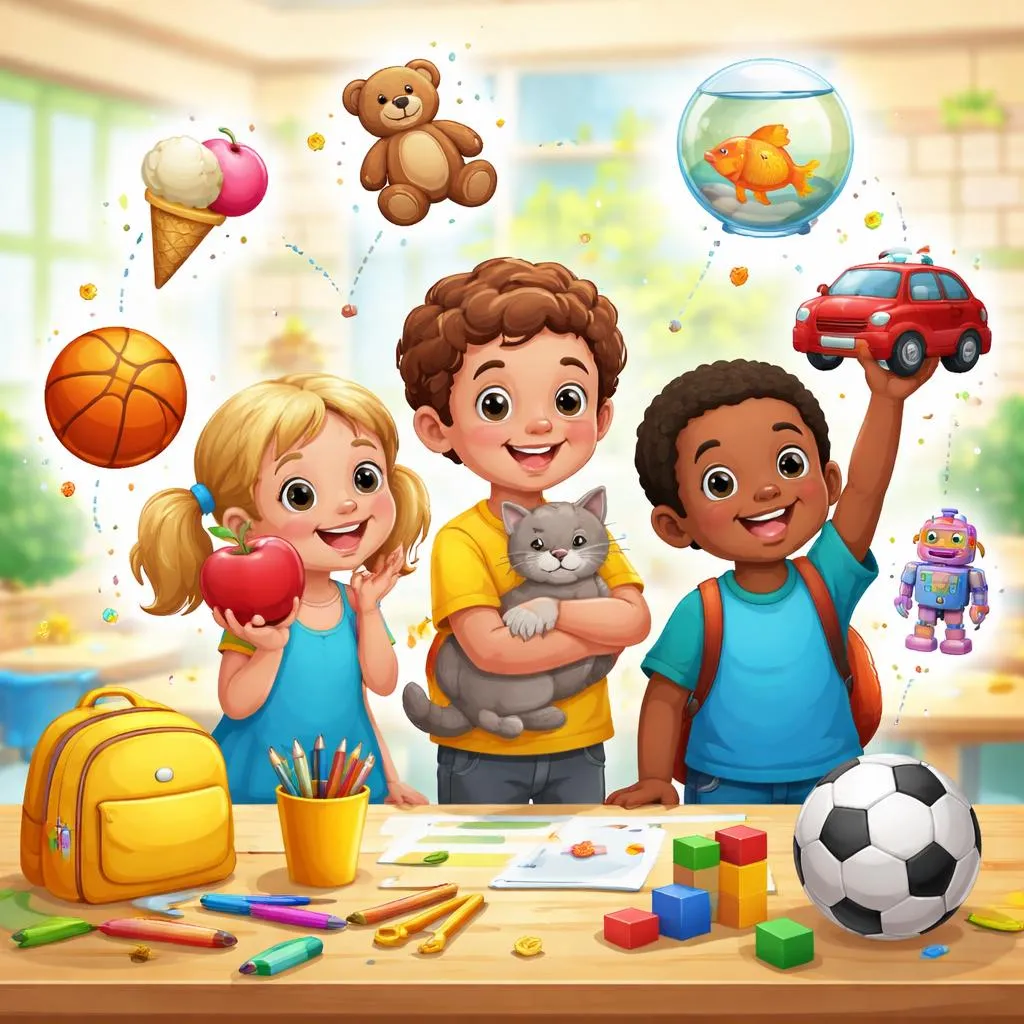

動詞「to have」幾乎出現在每一次對話中。孩子們經常使用它。「I have a toy.」「She has a pet.」「We have fun.」這個小小的動詞在句子中承載著重要的意義。它表示所有權。它描述關係。它談論經歷。了解如何在句子中使用 to have 可以幫助孩子們建立完整的想法。它給了他們描述他們世界的詞語。讓我們透過清晰的解釋和引人入勝的活動,來探索如何引導小學學習者掌握這個重要的文法要點。
句子中 to Have 的意思 動詞「to have」在句子中有幾個重要的意思。了解這些意思可以幫助孩子們正確地使用它。
所有物:這表示某人擁有或持有什麼。 I have a red crayon. You have a new backpack. She has two sisters. He has a pet dog.
關係:「Have」表示人與人之間的聯繫。 I have a best friend. You have a kind teacher. She has a baby brother. We have wonderful families.
特徵:「Have」描述特徵。 She has blue eyes. He has curly hair. The elephant has big ears. It has a long tail.
經歷:「Have」與名詞結合表示活動。 We have breakfast at eight. I have a headache today. They have fun at the park. She has a bath every night.
疾病和狀況: I have a cold. She has a fever. He has a stomach ache.
對於小學學習者來說,從所有物開始。這是最實際的意思。孩子們了解擁有東西。逐漸增加其他意思。
to Have 的變位 動詞「to have」是不規則的。它會根據不同的主語和時態而變化。孩子們需要學習這些模式。
現在時形式: I have You have He has She has It has We have They have
過去時形式: I had You had He had She had It had We had They had
未來時形式: I will have You will have He will have She will have It will have We will have They will have
否定現在時: I do not have (I don't have) You do not have (you don't have) He does not have (he doesn't have) She does not have (she doesn't have) It does not have (it doesn't have) We do not have (we don't have) They do not have (they don't have)
否定過去時: I did not have (I didn't have) You did not have (you didn't have) He did not have (he didn't have) She did not have (she didn't have) It did not have (it didn't have) We did not have (we didn't have) They did not have (they didn't have)
肯定縮寫: I've, you've, we've, they've He's, she's, it's (小心不要與「is」混淆)
在現在時中,he、she 和 it 從「have」變成「has」的變化非常重要。孩子們一開始常常會忘記這一點。
帶有 to Have 的現在時句子 帶有「to have」的現在時句子描述現在為真的事情。
I have 句子: I have a blue pencil case. I have two brothers. I have a cold today. I have breakfast at seven o'clock. I have a question for the teacher. I have fun at the playground. I have a new book from the library.
You have 句子: You have a beautiful smile. You have a red backpack. You have a kind heart. You have time to finish your work. You have a great imagination. You have many friends in class.
He has 句子: He has a blue shirt today. He has a pet turtle. He has a great sense of humor. He has music class now. He has a new bicycle. He has long eyelashes.
She has 句子: She has long brown hair. She has a baby sister. She has a beautiful singing voice. She has art class on Thursdays. She has many crayons. She has a kind heart.
It has 句子: It has four legs. It has a long tail. It has soft fur. It has big eyes. It has a broken handle. It has wheels that spin.
We have 句子: We have a wonderful classroom. We have a new pet in our class. We have music on Tuesdays. We have snack at ten o'clock. We have a field trip next week. We have fun learning together.
They have 句子: They have new pencils. They have a big dog at home. They have gym class now. They have beautiful drawings. They have a party on Friday. They have many books in their backpacks.
在日常生活中練習這些句子。指向物體和人。「She has a blue backpack.」「He has a new pencil.」這將文法與現實生活聯繫起來。
帶有 to Have 的過去時句子 過去時句子對所有主語都使用「had」。這些描述了以前為真的事情。
I had 句子: I had a red bike when I was little. I had a cold last week. I had fun at the party yesterday. I had pizza for lunch. I had a dream about flying. I had a turn already. I had a different teacher last year.
You had 句子: You had a turn already. You had a good time at the park. You had a stomach ache this morning. You had your coat on backwards. You had the right answer. You had a visitor yesterday.
He had 句子: He had a pet rabbit when he was small. He had a stomach ache after lunch. He had a blue backpack last year. He had music class yesterday. He had a birthday party on Saturday. He had long hair in kindergarten.
She had 句子: She had a beautiful voice. She had a dance recital last week. She had a fever yesterday. She had long braids in first grade. She had a new dress for the party. She had fun at the sleepover.
It had 句子: It had a scratch on the door. It had a broken wheel. It had a red cover before. It had a sweet smell. It had sharp teeth. It had a long tail.
We had 句子: We had pizza for lunch yesterday. We had a test in the morning. We had a field trip last month. We had a substitute teacher. We had fun at the playground. We had visitors from another school.
They had 句子: They had a party on Saturday. They had a new baby in the family. They had a long car ride. They had the best seats at the show. They had homework last night. They had a great time at the beach.
使用清晰的時間標記與過去時。昨天、上週、當我小時候。這些詞語表示時間已經過去。
帶有 to Have 的未來時句子 未來時句子對所有主語都使用「will have」。這些描述了稍後會發生的事情。
I will have 句子: I will have a test tomorrow. I will have a party on Saturday. I will have a new teacher next year. I will have lunch at noon. I will have time to play later. I will have a baby sister soon. I will have a surprise for you.
You will have 句子: You will have a turn next. You will have a great time at camp. You will have a new classroom in September. You will have dinner at Grandma's house. You will have homework tonight. You will have fun at the birthday party. You will have many presents to open.
He will have 句子: He will have a birthday next week. He will have a checkup at the doctor. He will have a new bicycle soon. He will have music class tomorrow. He will have to wait his turn. He will have a chance to play later. He will have a great time on vacation.
She will have 句子: She will have a dance recital on Friday. She will have a new dress for the party. She will have a piano lesson after school. She will have to practice every day. She will have a chance to shine. She will have many friends at her party. She will have a wonderful time.
It will have 句子: It will have a new battery soon. It will have a shiny coat after washing. It will have a different color. It will have wheels that spin faster. It will have a sweet taste. It will have a longer handle.
We will have 句子: We will have a field trip next month. We will have a party for the holidays. We will have a new student in our class. We will have music with a special guest. We will have fun learning new things. We will have time to play after work.
They will have 句子: They will have a new house soon. They will have a baby in the spring. They will have a long trip ahead. They will have dinner together. They will have a chance to rest later. They will have everything they need.
未來時間標記包括明天、下週、稍後、很快。這些詞語幫助孩子們了解動作發生的時間。
句子中帶有 to Have 的疑問句 用「to have」構成疑問句遵循模式。孩子們需要練習這些。
現在時疑問句: Do I have a turn? Do you have a pencil? Does he have a sister? Does she have a pet? Does it have a handle? Do we have time? Do they have money?
過去時疑問句: Did I have a turn? Did you have breakfast? Did he have a good day? Did she have her coat? Did it have a scratch? Did we have a choice? Did they have tickets?
未來時疑問句: Will I have time later? Will you have a cake? Will he have a new bike? Will she have a party? Will it have a battery? Will we have homework? Will they have fun?
資訊性問題: What do I have in my hand? What do you have for lunch? Where does he have his books? Why does she have a bandage? How many pencils do we have? What color eyes does it have? When do they have music class?
簡短回答: Yes, I do. No, I don't. Yes, he does. No, she doesn't. Yes, we did. No, they didn't. Yes, I will. No, I won't.
在日常生活中練習提問模式。詢問所有物。「Do you have a red crayon?」詢問家人。「Does she have a baby brother?」這使得問題變得自然。
句子中 to Have 的其他用法 除了所有權和時態之外,「to have」還出現在句子中的許多常見表達方式中。
Have to 表示義務: I have to go to bed at eight. You have to wear a coat today. He has to finish his homework. She has to practice piano. We have to be quiet in the library. They have to wait their turn.
Have 表示用餐: I have breakfast at home. You have lunch at school. She has dinner with her family. We have snack at ten o'clock. They have tea in the afternoon.
Have 表示經歷: I have fun at the park. You have a good time at the party. He has a dream about flying. She has a great idea. We have a wonderful day. They have an adventure.
Have 表示感受和狀態: I have a headache. You have a fever. He has a cold. She has energy today. We have patience. They have hope.
Have got(替代形式): I have got a new book. She has got blue eyes. They have got a big house.
這種形式在英式英語中更常見。兩者都是正確的。
Have 在使役句中: I have my hair cut once a month. She has her car washed every week. We have our house painted.
這些更進階。在掌握基本形式後介紹它們。
在句子中學習教學 to Have 的技巧 在句子中教學「to have」需要清晰的策略。以下是有效介紹它的技巧。
從所有物開始:這是最實際的意思。孩子們了解擁有東西。在課堂上使用真實的物體。「I have a book.」「You have a crayon.」在說話時指向物體。
使用圖表:建立一個大型的課堂圖表,顯示「to have」的所有形式。為主語著色。I、you、we、they 用綠色。he、she、it 用紅色。孩子們可以在忘記時參考它。
單獨教「has」:第三人稱單數會導致最多的錯誤。花額外的時間在 he、she、it 上。用許多例子練習。使用人和動物的圖片。
連接到日常活動:談論孩子們午餐盒裡有什麼。討論班級的日程安排。詢問寵物有什麼。真實的話題使文法變得有意義。
使用句子框架:提供句子開頭。「I have a...」「She has a...」孩子們完成它們。這建立了信心和結構。
使用歌曲和吟唱:為「have」和「has」創作簡單的吟唱。「I have, you have, we have, they have. He has, she has, it has.」將其設置為簡單的旋律。
溫和地糾正:當孩子們說「he have」時,只需正確地重複即可。「是的,他有一件藍色的襯衫。」溫和的建模比明確的糾正更有效。
用於練習的教育遊戲 遊戲將文法練習變成遊戲。以下是練習句子中 to have 的遊戲。
包裡有什麼?:將一個物體放在袋子裡。孩子們提問來猜測。「Does it have fur?」「Does it have wheels?」「Does it have a handle?」這練習了帶有「have」的問題。
Have 或 Has 比賽:舉起一個主語卡。「I」「You」「He」「She」「We」「They」「It。」孩子們比賽說出正確的形式。「Have!」或「Has!」第一個正確答案獲勝。
記憶鏈:開始一個記憶鏈。「I have a cat.」下一個孩子說「She has a cat and I have a dog.」繼續添加項目。這練習了所有權並建立了記憶力。
圖片描述:展示具有許多細節的複雜圖片。孩子們使用「have」來描述他們所看到的。「The house has a red door.」「The family has three children.」「The dog has floppy ears.」
Have Bingo:創建賓果卡,上面有人們可能擁有的物品的圖片。喊出「I have a dog.」如果孩子們有狗,就蓋住狗。這練習了聽力。
找一個有...的人:給孩子們一個物品清單。「找一個有寵物的人。」「找一個有兄弟的人。」孩子們問同學「Do you have a pet?」並寫下名字。
造句:給孩子們單字卡。他們排列它們以用「have」造句。「The cat has green eyes.」「I have a new book.」「They have a big house.」
句子中 to Have 的常見挑戰 小學學習者經常在句子中的「to have」的某些方面苦苦掙扎。了解這些挑戰可以幫助老師提供支援。
忘記為 he/she/it 更改:孩子們可能會說「He have」而不是「he has」。解釋說 he、she 和 it 需要「has」。用許多例子練習。
使用 have 表示年齡:在某些語言中,人們說「I have five years.」解釋說英語使用「be」表示年齡。「I am five years old.」
在問題中混淆 have 和 has:孩子們可能會說「Does he has a car?」解釋說在「does」之後,主要動詞會回到基本形式。「Does he have a car?」
忘記句子中的 have:有些孩子說「I a dog」而沒有動詞。提醒他們英語需要一個動詞。「I have a dog.」
混淆 have 和 there is/there are:「Have」表示所有權。「There is」表示存在。「I have a book」vs「There is a book on the table.」
使用 have 表示飢餓/口渴:某些語言使用「have」表示這些狀態。解釋說英語使用「be」。「I am hungry」而不是「I have hunger.」
問題中的詞序:孩子們可能會用升調說「You have a pencil?」。教他們在開頭使用「Do」。
用耐心來解決這些挑戰。孩子們透過接觸和練習來學習,而不是僅僅透過糾正錯誤。
句子中的動詞「to have」伴隨著孩子們整個英語學習之旅。它幫助他們談論他們的世界。它透過問答將他們與他人聯繫起來。它讓他們分享經驗並表達需求。掌握這個動詞可以給孩子們帶來信心和流利度。他們可以說出他們擁有的、他們需要的以及他們所做的事情。透過歌曲、遊戲和日常練習,「have」和「has」變得自然。孩子們毫不思考地使用它們。這才是真正的交流。