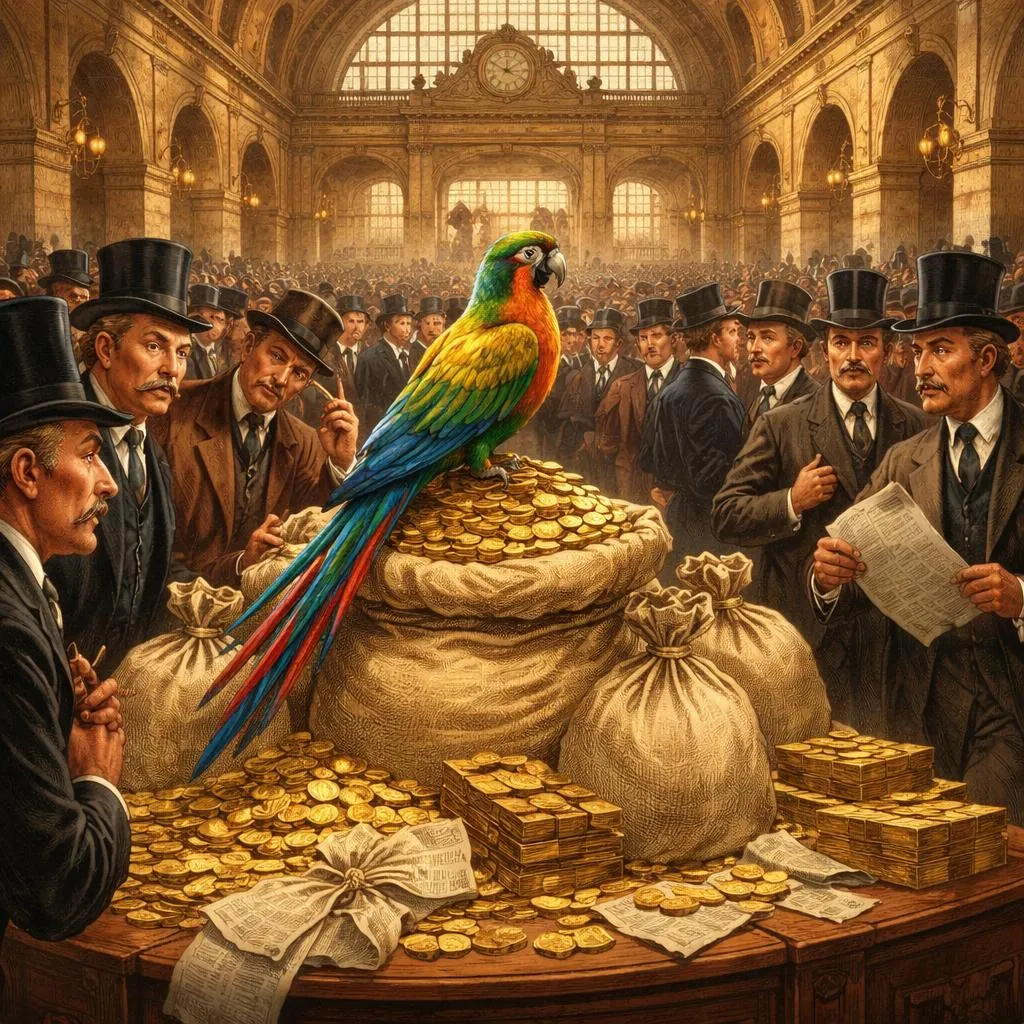

Phileas Fogg rightly suspected that his departure from London would create a lively sensation at the West End. The news of the bet spread through the Reform Club, and afforded an exciting topic of conversation to its members. From the club it soon got into the papers throughout England. The boasted "tour of the world" was talked about, disputed, argued with as much warmth as if the subject were another Alabama claim. Some took sides with Phileas Fogg, but the large majority shook their heads and declared against him; it was absurd, impossible, they declared, that the tour of the world could be made, except theoretically and on paper, in this minimum of time, and with the existing means of travelling. The Times, Standard, Morning Post, and Daily News, and twenty other highly respectable newspapers scouted Mr. Fogg's project as madness; the Daily Telegraph alone hesitatingly supported him. People in general thought him a lunatic, and blamed his Reform Club friends for having accepted a wager which betrayed the mental aberration of its proposer.
Articles no less passionate than logical appeared on the question, for geography is one of the pet subjects of the English; and the columns devoted to Phileas Fogg's venture were eagerly devoured by all classes of readers. At first some rash individuals, principally of the gentler sex, espoused his cause, which became still more popular when the Illustrated London News came out with his portrait, copied from a photograph in the Reform Club. A few readers of the Daily Telegraph even dared to say, "Why not, after all? Stranger things have come to pass."
At last a long article appeared, on the 7th of October, in the bulletin of the Royal Geographical Society, which treated the question from every point of view, and demonstrated the utter folly of the enterprise.
Everything, it said, was against the travellers, every obstacle imposed alike by man and by nature. A miraculous agreement of the times of departure and arrival, which was impossible, was absolutely necessary to his success. He might, perhaps, reckon on the arrival of trains at the designated hours, in Europe, where the distances were relatively moderate; but when he calculated upon crossing India in three days, and the United States in seven, could he rely beyond misgiving upon accomplishing his task? There were accidents to machinery, the liability of trains to run off the line, collisions, bad weather, the blocking up by snow—were not all these against Phileas Fogg? Would he not find himself, when travelling by steamer in winter, at the mercy of the winds and fogs? Is it uncommon for the best ocean steamers to be two or three days behind time? But a single delay would suffice to fatally break the chain of communication; should Phileas Fogg once miss, even by an hour; a steamer, he would have to wait for the next, and that would irrevocably render his attempt vain.
This article made a great deal of noise, and, being copied into all the papers, seriously depressed the advocates of the rash tourist.
Everybody knows that England is the world of betting men, who are of a higher class than mere gamblers; to bet is in the English temperament. Not only the members of the Reform, but the general public, made heavy wagers for or against Phileas Fogg, who was set down in the betting books as if he were a race–horse. Bonds were issued, and made their appearance on 'Change; "Phileas Fogg bonds" were offered at par or at a premium, and a great business was done in them. But five days after the article in the bulletin of the Geographical Society appeared, the demand began to subside: "Phileas Fogg" declined. They were offered by packages, at first of five, then of ten, until at last nobody would take less than twenty, fifty, a hundred!
Lord Albemarle, an elderly paralytic gentleman, was now the only advocate of Phileas Fogg left. This noble lord, who was fastened to his chair, would have given his fortune to be able to make the tour of the world, if it took ten years; and he bet five thousand pounds on Phileas Fogg. When the folly as well as the uselessness of the adventure was pointed out to him, he contented himself with replying, "If the thing is feasible, the first to do it ought to be an Englishman."
The Fogg party dwindled more and more, everybody was going against him, and the bets stood a hundred and fifty and two hundred to one; and a week after his departure an incident occurred which deprived him of backers at any price.
The commissioner of police was sitting in his office at nine o'clock one evening, when the following telegraphic dispatch was put into his hands:
Suez to London.
Rowan, Commissioner of Police, Scotland Yard:
I've found the bank robber, Phileas Fogg. Send with out delay warrant of arrest to Bombay.
Fix, Detective.
The effect of this dispatch was instantaneous. The polished gentleman disappeared to give place to the bank robber. His photograph, which was hung with those of the rest of the members at the Reform Club, was minutely examined, and it betrayed, feature by feature, the description of the robber which had been provided to the police. The mysterious habits of Phileas Fogg were recalled; his solitary ways, his sudden departure; and it seemed clear that, in undertaking a tour round the world on the pretext of a wager, he had had no other end in view than to elude the detectives, and throw them off his track.
خلفية ومقدمة عن المؤلف
هذا المقتطف مأخوذ من الرواية الكلاسيكية حول العالم في ثمانين يومًا لجول فيرن، وهو مؤلف فرنسي معروف بأعماله الرائدة في الخيال العلمي وأدب المغامرات. كُتبت القصة عام 1873، وتجسد روح القرن التاسع عشر بشغفها بالاستكشاف والتكنولوجيا وتقليص العالم من خلال التقدم في وسائل النقل. جعلت خيال فيرن الحيوي وبحثه التفصيلي رواياته ممتعة وتعليمية على حد سواء، مما ألهم أجيالًا من القراء بالحلم بأماكن بعيدة ومغامرات جريئة.
نظرة عامة على القصة وأهميتها
تتبع القصة فيليس فوج، وهو رجل إنجليزي دقيق وغني، يراهن على أنه يستطيع أن يدور حول العالم في ثمانين يومًا فقط. هذا الرهان الجريء يمهد الطريق لرحلة مثيرة مليئة بالتحديات واللقاءات الثقافية ولحظات التشويق. تصف الفقرة رد الفعل العام الأولي على خطة فوج، وتسلط الضوء على الشك وعدم التصديق من الصحف والجمهور، بالإضافة إلى الديناميكيات الاجتماعية المحيطة بالمراهنة والسمعة في إنجلترا الفيكتورية.
رحلة فوج ليست مجرد مغامرة جسدية، بل هي أيضًا اختبار لعزيمة الإنسان وبراعته وقوة التكنولوجيا الحديثة. تستكشف القصة موضوعات مثل الوقت والتقدم والصدام بين التقاليد والابتكار. كما أنها تعكس الطبيعة البشرية - كيف يتفاعل المجتمع مع غير التقليدي والمجهول، غالبًا بالشك أو الخوف.
الدروس والرؤى للطلاب
-
الشجاعة والتصميم: إن استعداد فيليس فوج لخوض تحدٍ يكاد يكون مستحيلًا يعلم الطلاب قيمة الشجاعة والمثابرة. حتى عند مواجهة شكوك وعقبات واسعة النطاق، فإن الالتزام بأهداف المرء أمر بالغ الأهمية.
-
التفكير النقدي والتشكيك: يوضح رد فعل الجمهور كيف يحكم الناس غالبًا على الأفكار بناءً على تجاربهم وتحيزاتهم. يمكن للطلاب أن يتعلموا تقييم الأفكار الجديدة بعناية ولكنهم يظلون منفتحين على الاحتمالات التي تتجاوز القيود الحالية.
-
أهمية التخطيط والقدرة على التكيف: تعتمد رحلة فوج على التوقيت والتنسيق الدقيقين، لكن الأحداث غير المتوقعة تهدد نجاحه. يسلط هذا الضوء على الحاجة إلى التخطيط الدقيق والقدرة على التكيف عندما لا تسير الأمور كما هو متوقع.
-
الوعي الثقافي: بينما يسافر فوج حول العالم، فإنه يلتقي بثقافات وبيئات متنوعة. يشجع هذا الطلاب على تقدير التنوع العالمي وتنمية التعاطف والفضول بشأن طرق الحياة الأخرى.
-
دور التكنولوجيا: تعرض القصة كيف يمكن للتقدم التكنولوجي (مثل السكك الحديدية والسفن البخارية) أن يغير المجتمع. يمكن للطلاب التفكير في كيفية تأثير الابتكار على الحياة اليومية وأهمية تبني التغيير.
تطبيق هذه الدروس في الحياة والتعلم
-
في المدرسة: يمكن للطلاب تطبيق مثال فوج من خلال تحديد أهداف صعبة ولكن قابلة للتحقيق، وإدارة وقتهم جيدًا، والمثابرة في مواجهة الصعوبات في دراساتهم.
-
في المواقف الاجتماعية: يعلم سلوك فوج الهادئ والمحترم، على الرغم من الانتقادات، بأهمية الثقة والنزاهة عند مواجهة ضغط الأقران أو الشك.
-
في النمو الشخصي: إن احتضان التجارب الجديدة والتعلم من الثقافات المختلفة يمكن أن يوسع منظور المرء ويعزز الانفتاح.
تنمية الصفات الإيجابية من القصة
-
المرونة: مثل فوج، يجب على الطلاب أن يتعلموا كيفية التعافي من النكسات والمضي قدمًا.
-
الفضول والاستكشاف: إن تشجيع روح المغامرة في التعلم - سواء من خلال القراءة أو السفر أو الهوايات الجديدة - يمكن أن يثري الحياة.
-
احترام الآخرين: إن فهم وتقدير التنوع، كما يفعل فوج أثناء رحلاته، يساعد في بناء علاقات أفضل.
التفكير والتقدير
تدعو قراءة حول العالم في ثمانين يومًا الطلاب إلى تخيل إثارة المغامرة مع التفكير النقدي في تحديات التغيير والتقدم. إنها قصة تحتفي ببراعة الإنسان والرغبة في تجاوز الحدود، مما يلهم القراء بالحلم الكبير والتصرف بجرأة. من خلال رحلة فوج، يكتسب القراء الصغار ليس فقط الترفيه ولكن أيضًا دروسًا قيمة في الحياة تشجعهم على أن يكونوا شجعانًا ومفكرين ومنفتحي القلب في حياتهم الخاصة.
