
My father’s mortal remains had been consigned to the tomb; and we, with sad faces and sombre garments, sat lingering over the frugal breakfast–table, revolving plans for our future life. My mother’s strong mind had not given way beneath even this affliction: her spirit, though crushed, was not broken. Mary’s wish was that I should go back to Horton Lodge, and that our mother should come and live with her and Mr. Richardson at the vicarage: she affirmed that he wished it no less than herself, and that such an arrangement could not fail to benefit all parties; for my mother’s society and experience would be of inestimable value to them, and they would do all they could to make her happy. But no arguments or entreaties could prevail: my mother was determined not to go. Not that she questioned, for a moment, the kind wishes and intentions of her daughter; but she affirmed that so long as God spared her health and strength, she would make use of them to earn her own livelihood, and be chargeable to no one; whether her dependence would be felt as a burden or not. If she could afford to reside as a lodger in—vicarage, she would choose that house before all others as the place of her abode; but not being so circumstanced, she would never come under its roof, except as an occasional visitor: unless sickness or calamity should render her assistance really needful, or until age or infirmity made her incapable of maintaining herself.
‘No, Mary,’ said she, ‘if Richardson and you have anything to spare, you must lay it aside for your family; and Agnes and I must gather honey for ourselves. Thanks to my having had daughters to educate, I have not forgotten my accomplishments. God willing, I will check this vain repining,’ she said, while the tears coursed one another down her cheeks in spite of her efforts; but she wiped them away, and resolutely shaking back her head, continued, ‘I will exert myself, and look out for a small house, commodiously situated in some populous but healthy district, where we will take a few young ladies to board and educate—if we can get them—and as many day pupils as will come, or as we can manage to instruct. Your father’s relations and old friends will be able to send us some pupils, or to assist us with their recommendations, no doubt: I shall not apply to my own. What say you to it, Agnes? will you be willing to leave your present situation and try?’
‘Quite willing, mamma; and the money I have saved will do to furnish the house. It shall be taken from the bank directly.’
‘When it is wanted: we must get the house, and settle on preliminaries first.’
Mary offered to lend the little she possessed; but my mother declined it, saying that we must begin on an economical plan; and she hoped that the whole or part of mine, added to what we could get by the sale of the furniture, and what little our dear papa had contrived to lay aside for her since the debts were paid, would be sufficient to last us till Christmas; when, it was hoped, something would accrue from our united labours. It was finally settled that this should be our plan; and that inquiries and preparations should immediately be set on foot; and while my mother busied herself with these, I should return to Horton Lodge at the close of my four weeks’ vacation, and give notice for my final departure when things were in train for the speedy commencement of our school.
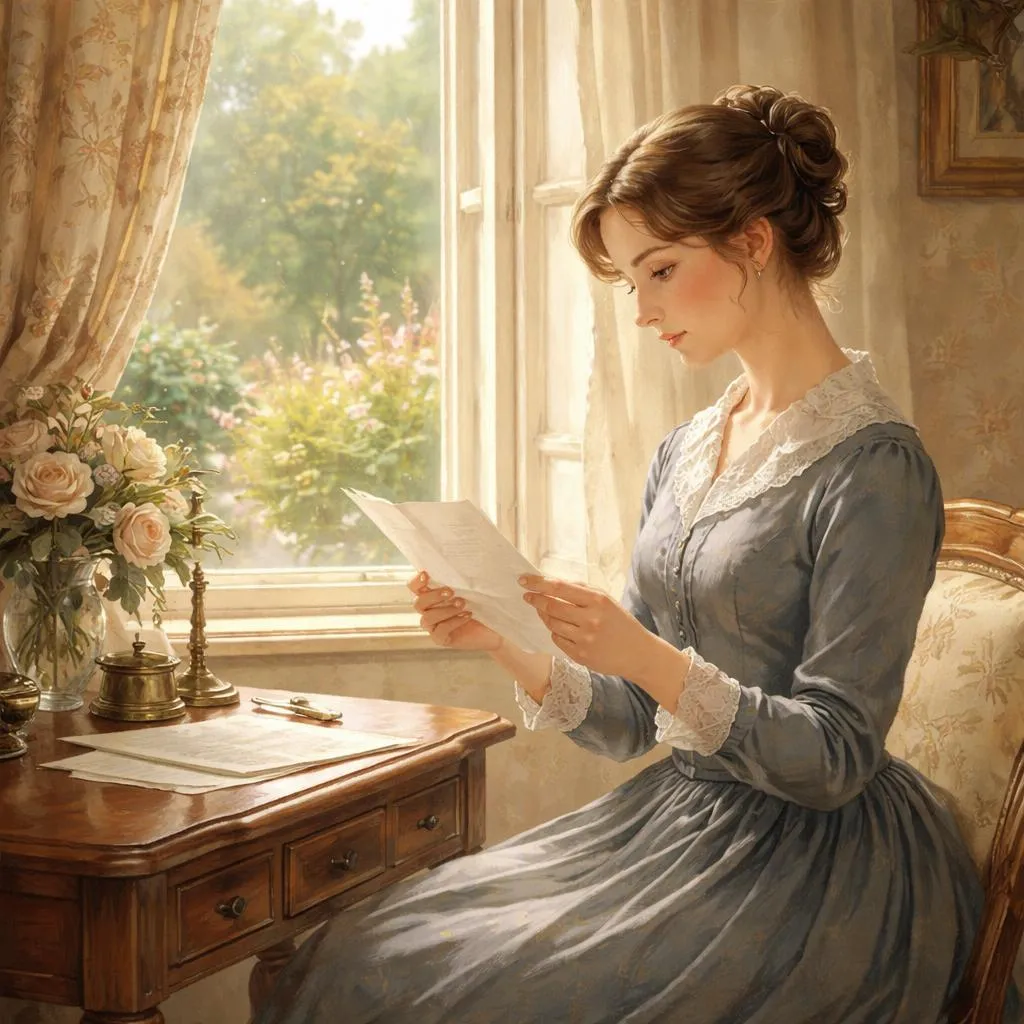
We were discussing these affairs on the morning I have mentioned, about a fortnight after my father’s death, when a letter was brought in for my mother, on beholding which the colour mounted to her face—lately pale enough with anxious watchings and excessive sorrow. ‘From my father!’ murmured she, as she hastily tore off the cover. It was many years since she had heard from any of her own relations before. Naturally wondering what the letter might contain, I watched her countenance while she read it, and was somewhat surprised to see her bite her lip and knit her brows as if in anger. When she had done, she somewhat irreverently cast it on the table, saying with a scornful smile,—’Your grandpapa has been so kind as to write to me. He says he has no doubt I have long repented of my “unfortunate marriage,” and if I will only acknowledge this, and confess I was wrong in neglecting his advice, and that I have justly suffered for it, he will make a lady of me once again—if that be possible after my long degradation—and remember my girls in his will. Get my desk, Agnes, and send these things away: I will answer the letter directly. But first, as I may be depriving you both of a legacy, it is just that I should tell you what I mean to say. I shall say that he is mistaken in supposing that I can regret the birth of my daughters (who have been the pride of my life, and are likely to be the comfort of my old age), or the thirty years I have passed in the company of my best and dearest friend;—that, had our misfortunes been three times as great as they were (unless they had been of my bringing on), I should still the more rejoice to have shared them with your father, and administered what consolation I was able; and, had his sufferings in illness been ten times what they wore, I could not regret having watched over and laboured to relieve them;—that, if he had married a richer wife, misfortunes and trials would no doubt have come upon him still; while I am egotist enough to imagine that no other woman could have cheered him through them so well: not that I am superior to the rest, but I was made for him, and he for me; and I can no more repent the hours, days, years of happiness we have spent together, and which neither could have had without the other, than I can the privilege of having been his nurse in sickness, and his comfort in affliction.
‘Will this do, children?—or shall I say we are all very sorry for what has happened during the last thirty years, and my daughters wish they had never been born; but since they have had that misfortune, they will be thankful for any trifle their grandpapa will be kind enough to bestow?’
Of course, we both applauded our mother’s resolution; Mary cleared away the breakfast things; I brought the desk; the letter was quickly written and despatched; and, from that day, we heard no more of our grandfather, till we saw his death announced in the newspaper a considerable time after—all his worldly possessions, of course, being left to our wealthy unknown cousins.
خلفية ومقدمة عن المؤلفة
هذا المقطع مأخوذ من رواية كلاسيكية من القرن التاسع عشر تستكشف موضوعات العائلة والمرونة والاستقلالية. تدور أحداث القصة في زمن كانت فيه أدوار المرأة تقتصر إلى حد كبير على المنزل، وغالبًا ما يعتمد الأمن المالي على الأقارب الذكور. كتبت المؤلفة، وهي امرأة من عصرها، بفهم عميق للصراعات التي واجهتها النساء اللاتي تُركن ليعتمدن على أنفسهن بعد فقدان أزواجهن. غالبًا ما تسلط أعمالها الضوء على قوة وكرامة النساء اللاتي، على الرغم من الصعاب، يسعين للحفاظ على احترامهن لذاتهن وتوفير احتياجات أسرهن.
التفسير التفصيلي والأهمية
يصف المقطع عائلة تتعامل مع الوفاة الأخيرة للأب. الأم، على الرغم من حزنها الشديد، ترفض الاعتماد على الآخرين، مما يدل على إرادة قوية لإعالة نفسها وبناتها من خلال التدريس. يعكس هذا القرار فخرها وتصميمها على الحفاظ على الاستقلالية بدلاً من قبول الإحسان أو العيش تحت سيطرة الأقارب الذين لا يدعمون خياراتها.
تضيف الرسالة من والد الأم المنفصل طبقة من الصراع العائلي والحكم الاجتماعي، مما يكشف عن تحديات التوقعات المجتمعية والنزاهة الشخصية. رد الأم هو بيان قوي عن تقدير الذات والحب غير المشروط لزوجها وبناتها الراحلين، رافضة فكرة أنها يجب أن تندم على اختيارات حياتها لمجرد أنها لا تتماشى مع آراء والدها.
الدروس والرؤى للطلاب
-
المرونة في الشدائد: تعلم شجاعة الأم في مواجهة الصعوبات المالية والعاطفية الطلاب أهمية المرونة. قد تواجه الحياة تحديات غير متوقعة، لكن الحفاظ على القوة والموقف الإيجابي يمكن أن يساعد في التغلب على الصعوبات.
-
الاستقلالية والاعتماد على الذات: تشجع القصة القراء الشباب على تقدير الاستقلالية والقدرة على إعالة أنفسهم من خلال العمل الجاد والتصميم. كما أنها تسلط الضوء على الكرامة التي تأتي من كسب المرء لقمة عيشه بأمانة.
-
العائلة والولاء: على الرغم من الضغوط الخارجية، فإن ولاء الأم لعائلتها ورفضها أن تندم على ماضيها يوضح أهمية الوقوف إلى جانب أحبائهم وتكريم الالتزامات الشخصية.
-
الوقوف في وجه الضغط الاجتماعي: يعلم رفض الأم الحازم لعرض والدها المشروط الطلاب أن يدافعوا عن معتقداتهم وقيمهم، حتى عندما يواجهون انتقادات أو رفضًا من الآخرين.
التطبيق في الحياة اليومية
- في التعلم: يمكن للطلاب أن يتعلموا مواجهة التحديات الأكاديمية بتصميم، وفهم أن النكسات جزء من النمو وأن المثابرة تؤدي إلى النجاح.
- في المواقف الاجتماعية: تشجع القصة الشباب على دعم أسرهم وأصدقائهم، وأن يكونوا مخلصين، وأن يتمسكوا بقيمهم حتى عندما يختلف الآخرون.
- في التنمية الشخصية: إن تنمية احترام الذات والاستقلالية أمر بالغ الأهمية. يمكن للطلاب ممارسة تحمل المسؤولية عن أفعالهم وقراراتهم، وإعدادهم لمرحلة البلوغ.
تنمية الروح والسلوك الإيجابي
- التعاطف والرحمة: يساعد فهم صراعات الأم الطلاب على تطوير التعاطف مع الآخرين الذين يواجهون صعوبات.
- القوة والشجاعة: يلهم مثال الأم الطلاب بالشجاعة في الشدائد.
- احترام الذات: يعد تقدير الذات وخيارات المرء رسالة أساسية.
- العمل الجاد: تُظهر خطة بدء المدرسة أهمية المبادرة والجهد.
من خلال التفكير في هذه القصة، يمكن للطلاب أن يقدروا قوة القوة الداخلية وأهمية البقاء أوفياء لأنفسهم، وهي دروس ستفيدهم جيدًا طوال حياتهم.
