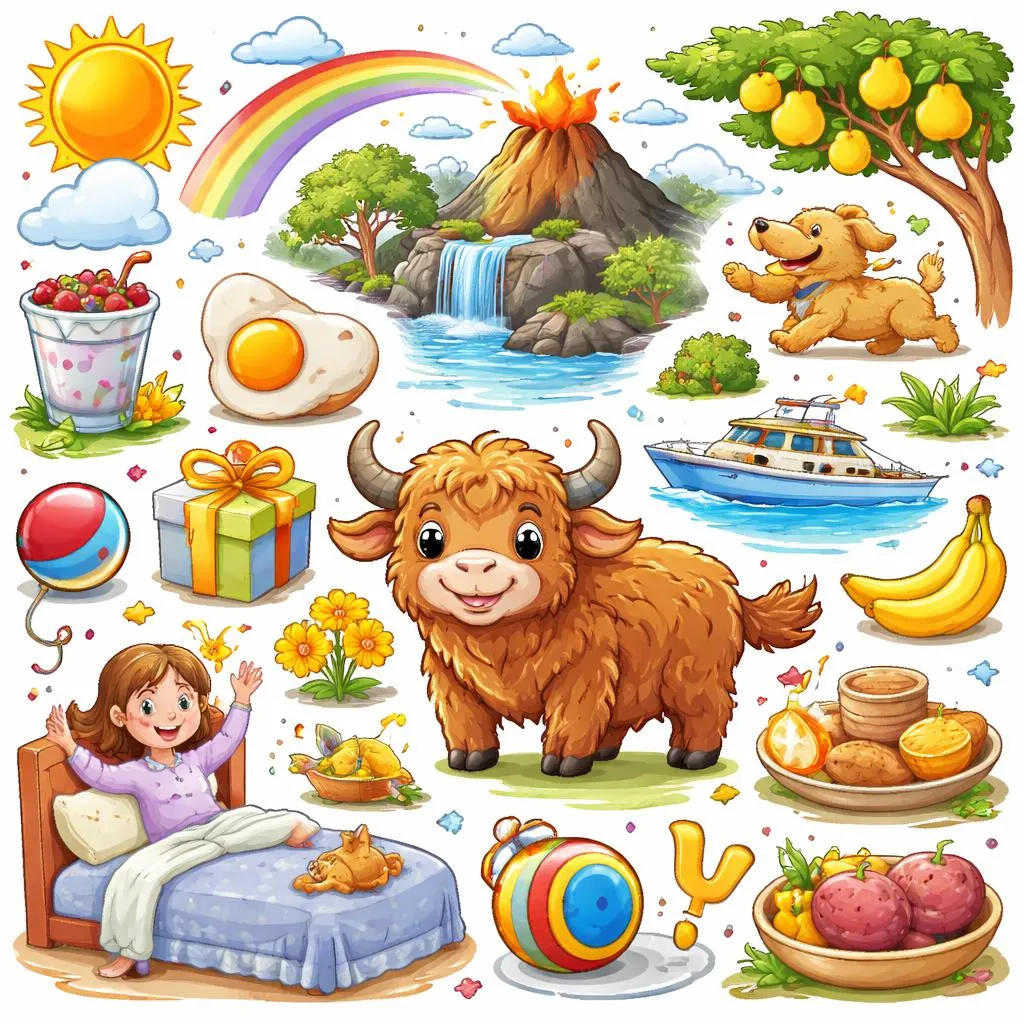

Ja, du verwendest 'Y'-Wörter jeden Tag. Dieser Buchstabe steht am Anfang einfacher, aber kraftvoller Wörter. Sie markieren Zeit, drücken Gefühle aus und benennen Objekte. Wenn du sie beherrschst, klingst du natürlicher. Es hilft dir auch, Tests besser zu verstehen. Dieser Artikel untersucht diese wesentlichen Wörter. Du wirst ihre genauen Bedeutungen lernen. Du wirst häufige Fehler vermeiden. Deine Kommunikation wird klarer und korrekter.
Hier ist eine Kernliste nützlicher 'Y'-Wörter. Studiere sie gut. yacht, yak, yam, yank, yap, yard, yardstick, yarn, yawn, yeah, year, yearbook, yearling, yearly, yearn, yearning, yeast, yell, yellow, yelp, yen, yeoman, yes, yesterday, yet, yield, yodel, yoga, yoghurt, yoke, yolk, yonder, you, young, youngster, your, yours, yourself, youth, youthful, yowl, yo-yo, ytterbium, yttrium, yuan, yucca, yuck, yummy, yuppie, yurt.
Lass uns jetzt ein Wort im Detail untersuchen. yield ( /ji?ld/ ) v./n. (to produce; to give way; the amount produced) Exam Context: ⟦PRESERVE_1⟧The farm's yield of wheat was high this year. ⟦PRESERVE_2⟧The investment yields a good return. Life Context: ⟦PRESERVE_3⟧"You must yield to oncoming traffic. ⟦PRESERVE_4⟧This tree yields delicious fruit." Key Learning Point: ⟦PRESERVE_5⟧It has multiple meanings. ⟦PRESERVE_6⟧The verb can mean to produce or to surrender. ⟦PRESERVE_7⟧The noun means the amount produced. ⟦PRESERVE_8⟧In driving, 'yield' means to let others go first.
Nun tauchen wir tiefer in wichtige 'Y'-Wörter ein. Diese Wörter kommen in Tests häufig vor. Sie sind auch für das tägliche Gespräch unerlässlich.
youth Wie wird es getestet? ⟦PRESERVE_9⟧It is a noun meaning the time of being young. ⟦PRESERVE_10⟧It can also mean young people as a group. ⟦PRESERVE_11⟧It appears in social studies and literature. Testbeispiel: ⟦PRESERVE_12⟧"He spent his youth in the countryside. ⟦PRESERVE_13⟧The program aims to inspire the youth of today." Wie wird es täglich verwendet? ⟦PRESERVE_14⟧Talking about age and young people. A: ⟦PRESERVE_15⟧"I miss the energy of my youth." B: ⟦PRESERVE_16⟧"The youth center is for people under eighteen. ⟦PRESERVE_17⟧The youth of this nation are very active." Häufige Fehler: ⟦PRESERVE_18⟧Usually uncountable when meaning the time of life. ⟦PRESERVE_19⟧Can be countable for a young male (a youth). ⟦PRESERVE_20⟧The adjective is 'youthful'.
year Wie wird es getestet? ⟦PRESERVE_21⟧It is a common noun for a time period. ⟦PRESERVE_22⟧It tests collocations and prepositions. ⟦PRESERVE_23⟧It appears in listening and reading. Testbeispiel: ⟦PRESERVE_24⟧"The project will take a year to complete. ⟦PRESERVE_25⟧She is ten years old." Wie wird es täglich verwendet? ⟦PRESERVE_26⟧Discussing age, dates, and durations. A: ⟦PRESERVE_27⟧"Happy New Year!" B: ⟦PRESERVE_28⟧"This year has gone quickly. ⟦PRESERVE_29⟧I have lived here for five years. ⟦PRESERVE_30⟧The school year starts in September." Häufige Fehler: ⟦PRESERVE_31⟧Plural is 'years'. ⟦PRESERVE_32⟧Common phrases: 'per year', 'year after year', 'all year round'. ⟦PRESERVE_33⟧Do not confuse with 'ear'.
yesterday Wie wird es getestet? ⟦PRESERVE_34⟧It is an adverb and noun for the day before today. ⟦PRESERVE_35⟧It tests time expressions and verb tenses. ⟦PRESERVE_36⟧It is common in dialogues. Testbeispiel: ⟦PRESERVE_37⟧"I saw her yesterday. ⟦PRESERVE_38⟧Yesterday was a public holiday." Wie wird es täglich verwendet? ⟦PRESERVE_39⟧Talking about recent past events. A: ⟦PRESERVE_40⟧"Where were you yesterday?" B: ⟦PRESERVE_41⟧"I was sick yesterday. ⟦PRESERVE_42⟧The meeting was yesterday. ⟦PRESERVE_43⟧I called you yesterday." Häufige Fehler: ⟦PRESERVE_44⟧It is not used with prepositions like 'on' or 'in'. ⟦PRESERVE_45⟧Simply say 'yesterday'. ⟦PRESERVE_46⟧The adjective is 'yesterday's' (e.g., yesterday's news).
yawn Wie wird es getestet? ⟦PRESERVE_47⟧It is a verb and noun for the act of opening the mouth wide when tired. ⟦PRESERVE_48⟧It appears in descriptive passages and dialogues. Testbeispiel: ⟦PRESERVE_49⟧"The long lecture made him yawn. ⟦PRESERVE_50⟧He tried to hide a yawn." Wie wird es täglich verwendet? ⟦PRESERVE_51⟧Showing tiredness or boredom. A: ⟦PRESERVE_52⟧"Are you tired? ⟦PRESERVE_53⟧You're yawning." B: ⟦PRESERVE_54⟧"Yes, I can't stop yawning. ⟦PRESERVE_55⟧That movie was a yawn. ⟦PRESERVE_56⟧It was so boring." Häufige Fehler: ⟦PRESERVE_57⟧The verb is regular: yawn, yawned, yawned. ⟦PRESERVE_58⟧The noun form is also 'yawn'. ⟦PRESERVE_59⟧Can be used informally to mean something boring.
yard Wie wird es getestet? ⟦PRESERVE_60⟧It is a noun with two main meanings. ⟦PRESERVE_61⟧It is a unit of length or an area near a building. ⟦PRESERVE_62⟧Tests check the correct meaning from context. Testbeispiel: ⟦PRESERVE_63⟧(Length) "The fabric is sold by the yard." (Area) "The children are playing in the yard." Wie wird es täglich verwendet? ⟦PRESERVE_64⟧Talking about measurement or outdoor space. A: ⟦PRESERVE_65⟧"How big is your garden?" B: ⟦PRESERVE_66⟧"It's about ten yards long. ⟦PRESERVE_67⟧We have a big back yard. ⟦PRESERVE_68⟧The school yard is empty now." Häufige Fehler: ⟦PRESERVE_69⟧As a unit, it is three feet. ⟦PRESERVE_70⟧The symbol is 'yd'. ⟦PRESERVE_71⟧Do not confuse with 'garden'. ⟦PRESERVE_72⟧A yard is often paved or grassy area.
yell Wie wird es getestet? ⟦PRESERVE_73⟧It is a verb meaning to shout loudly. ⟦PRESERVE_74⟧It appears in stories and dialogues. ⟦PRESERVE_75⟧It tests synonyms and context. Testbeispiel: ⟦PRESERVE_76⟧"The coach had to yell to be heard. ⟦PRESERVE_77⟧She let out a yell of surprise." Wie wird es täglich verwendet? ⟦PRESERVE_78⟧In situations of excitement, anger, or need. A: ⟦PRESERVE_79⟧"Why did you yell at me?" B: ⟦PRESERVE_80⟧"I had to yell because you were far away. ⟦PRESERVE_81⟧Don't yell indoors. ⟦PRESERVE_82⟧I heard a loud yell." Häufige Fehler: ⟦PRESERVE_83⟧Similar to 'shout', but can imply more emotion. ⟦PRESERVE_84⟧Past tense is 'yelled'. ⟦PRESERVE_85⟧The noun is also 'yell'.
Nun lass uns mit einigen interaktiven Aufgaben üben.
Übung 1: Lückentext Lies die Geschichte. Wähle Wörter aus der Liste 'Schlüsselwörter'. Fülle die Lücken aus. Verwende jedes Wort einmal. Schlüsselwörter: yield, youth, year, yesterday, yawn, yard, yell.
Mein Großvater liebt seinen Garten. Er pflegt ihn jeden Tag. Der Garten yieldet viel Gemüse. Er hat dies schon viele Jahre lang getan. In seiner Jugend war er Bauer. Er lehrte mich, einen Yard zu messen. Gestern half ich ihm, Samen zu pflanzen. Die Sonne war heiß. Es ließ mich gähnen. Mein Bruder rannte in den Yard. Er stieß einen Schrei der Freude aus. Die Ernte wird gut sein.
Übung 2: Erstelle einen Dialog Stell dir vor, du bist mit einem Freund bei einem Sportspiel. Es ist sehr laut. Verwende diese drei Wörter in deinem 4-Satz-Dialog: yell, year, yesterday. Beispiel: ⟦PRESERVE_86⟧"I come to this game every year. ⟦PRESERVE_87⟧Did you see the match yesterday? ⟦PRESERVE_88⟧You have to yell to talk here! ⟦PRESERVE_89⟧I will yell for our team."
Übung 3: Ordne das Wort zu Zeichne eine Linie, um das Wort auf der linken Seite mit seinem üblichen Partner oder seiner Bedeutung auf der rechten Seite zu verbinden.
- yield
- youth
- year
- yawn
- yard a. the time of being young b. to open the mouth when tired c. to produce or give way d. a unit of length (3 feet) e. a period of 365 days (Antworten: 1-c, 2-a, 3-e, 4-b, 5-d)
Antworten und Erklärungen Übung 1 Antworten: yields, year, youth, yard, Yesterday, yawn, yard, yell. Erklärung: ⟦PRESERVE_90⟧'Yields' means produces. ⟦PRESERVE_91⟧'Year' is a time period. ⟦PRESERVE_92⟧'Youth' is the time of being young. ⟦PRESERVE_93⟧'Yard' is the unit of measurement. ⟦PRESERVE_94⟧'Yesterday' is the day before today. ⟦PRESERVE_95⟧'Yawn' is the act of being sleepy. ⟦PRESERVE_96⟧The second 'yard' is the garden area. ⟦PRESERVE_97⟧'Yell' is a shout.
Übung 2: ⟦PRESERVE_98⟧Sample dialogue provided. ⟦PRESERVE_99⟧Ensure the three target words are used naturally in a sports context.
Übung 3 Antworten: ⟦PRESERVE_100⟧Listed above. ⟦PRESERVE_101⟧This checks core meanings and uses.
Eine gute Strategie hilft dir, 'Y'-Wörter zu meistern. Probiere die Methode "Zeit und Klang". Gruppiere Wörter über die Zeit: year, yesterday, youth. Gruppiere Wörter über Aktionen oder Geräusche: yell, yawn, yield. Dies schafft logische Kategorien für das Gedächtnis. Eine andere Möglichkeit ist die Gruppe "Messung": yard, year, yield (als Menge). Dies verbindet Konzepte von Quantität und Zeit.
Du hast heute eine nützliche Reihe von Werkzeugen erkundet. Diese wichtigen Wörter, die mit 'Y' beginnen, gehören dir. Sie helfen dir, über Zeit und Raum zu sprechen. Sie helfen dir, Aktionen und Gefühle auszudrücken. Verwende sie in deinem nächsten Gespräch. Probiere sie bei deiner nächsten Schreibaufgabe aus. Dieser aktive Schritt baut echte Fähigkeiten auf. Dein Englisch wird natürlicher und ausdrucksstärker. Lerne und verwende jeden Tag neue Wörter.