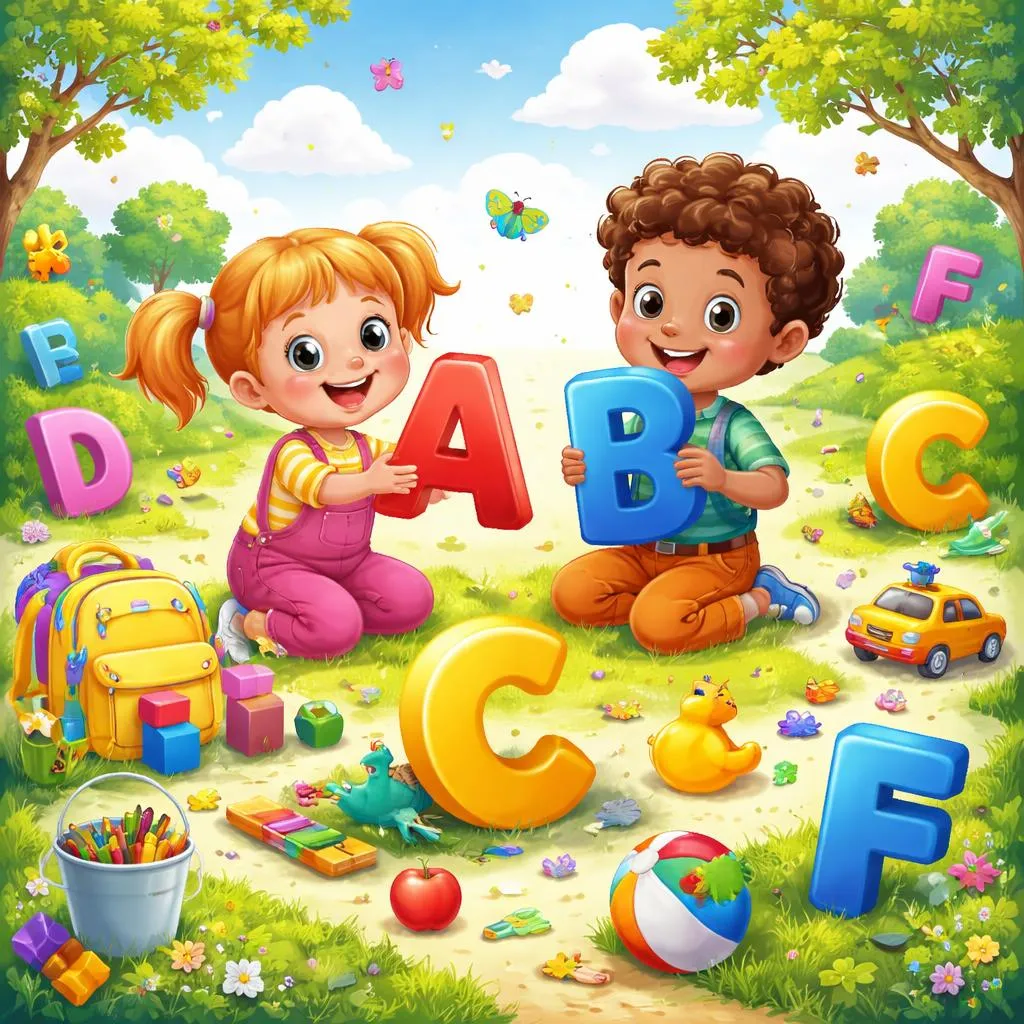

What Is the English Alphabet The English alphabet is a set of letters. It has 26 letters. These letters build words.
Letters are the start of English.
Why Children Learn the English Alphabet Children learn letters first. Letters help with reading. Letters help with writing.
Strong basics matter.
How Many Letters Are in the Alphabet There are 26 letters in English. Each letter has a name. Each letter has a sound.
Names and sounds are different.
Uppercase and Lowercase Letters Each letter has two forms. One is uppercase. One is lowercase.
A and a are the same letter.
Uppercase Letters Uppercase letters are big letters. They start sentences. They are used in names.
Big letters stand out.
Lowercase Letters Lowercase letters are small letters. They are used most of the time. Children see them often.
Small letters appear everywhere.
The Alphabet from A to Z The alphabet starts with A. It ends with Z. Letters follow a fixed order.
Order helps memory.
Letter A A is the first letter. A sounds like a in apple. Children learn it early.
First letters feel special.
Letter B B is the second letter. B sounds like b in ball. It is easy to hear.
Clear sounds help learning.
Letter C C can sound different. C sounds like c in cat. C sounds like c in city.
Some letters change sounds.
Letter D D sounds like d in dog. It is strong and clear. Children repeat it easily.
Repetition builds confidence.
Letter E E has many sounds. E sounds like e in bed. E sounds like e in me.
Sounds come with practice.
Letter F F sounds like f in fish. It uses the lips and teeth. Children feel the sound.
Feeling helps memory.
Letter G G can sound hard. G can sound soft. Games help practice.
Play supports learning.
Letter H H sounds like h in hat. It is a light sound. Air moves out.
Sound awareness grows.
Letter I I can sound short. I can sound long. I sounds like i in sit.
Letters change with words.
Letter J J sounds like j in jam. It is smooth and clear. Children enjoy saying it.
Fun sounds stick.
Letter K K sounds like k in kite. It is strong. It is clear.
Strong sounds are easy.
Letter L L sounds like l in lamp. The tongue moves. Children feel it.
Movement supports learning.
Letter M M sounds like m in milk. Lips close gently. It feels soft.
Soft sounds feel friendly.
Letter N N sounds like n in nest. It is similar to m. Listening helps tell them apart.
Comparison builds awareness.
Letter O O sounds round. O sounds like o in pot. O also sounds long.
Vowels need practice.
Letter P P sounds like p in pen. Air pops out. Children notice it.
Physical sounds help memory.
Letter Q Q comes with U. Qu sounds like kw. Queen is an example.
Some letters work together.
Letter R R sounds like r in red. It can be tricky. Practice helps.
Gentle practice works.
Letter S S sounds like s in sun. It is a hissing sound. Children enjoy it.
Fun sounds repeat.
Letter T T sounds like t in top. It is sharp. It is quick.
Clear sounds feel safe.
Letter U U sounds short and long. U sounds like u in cup. Sounds change with words.
Flexibility grows.
Letter V V sounds like v in van. Teeth touch lips. Children feel vibration.
Feeling helps learning.
Letter W W sounds like w in water. It is a long name. Children find it funny.
Interest supports memory.
Letter X X sounds like ks. Box is an example. X is not common.
Rare letters come later.
Letter Y Y can sound like y. Y can sound like i. Yellow is an example.
Some letters do more.
Letter Z Z is the last letter. Z sounds like z in zoo. The alphabet ends here.
Ending feels complete.
Alphabet Songs Songs teach letter order. Music supports memory. Children sing happily.
Songs reduce pressure.
Alphabet and Listening Children listen to letters. They hear sounds. Listening comes first.
Sound awareness matters.
Alphabet and Speaking Children repeat letters. They say sounds aloud. Practice builds confidence.
Trying matters.
Alphabet and Reading Reading starts with letters. Children match letters and sounds. Words begin to form.
Reading grows slowly.
Alphabet and Writing Writing starts with tracing. Children draw letters. Hand movement matters.
Fine motor skills grow.
Alphabet Practice at Home Parents read with children. They point to letters. Daily practice helps.
Home learning matters.
Alphabet Review The English alphabet has 26 letters. Each letter has a sound. Letters build words.
Strong basics support learning.
English Alphabet for Children The alphabet is the first step. Children learn at their pace. Practice stays gentle.
Learning stays calm. Progress feels steady. Curiosity continues.
Alphabet Order Practice Alphabet order matters. Letters come in a fixed order. Children learn A comes before B.
Order supports memory.
Alphabet and Sequencing Sequencing is a thinking skill. Alphabet order builds sequencing. Children practice step by step.
Thinking grows slowly.
Alphabet and Early Reading Reading starts with letters. Children recognize shapes. They connect shapes with sounds.
Connections build understanding.
Alphabet Sounds and Blending Sounds blend into words. B and a make ba. Ba and t make bat.
Blending feels magical.
Alphabet and Phonics Phonics teaches sound rules. Each letter has a sound. Some letters have more than one sound.
Rules come with time.
Alphabet and Vowels A E I O U are vowels. Vowels appear in every word. They help words sound complete.
Vowels matter.
Alphabet and Consonants Other letters are consonants. They work with vowels. Together they form words.
Teamwork builds language.
Alphabet and Word Building Words start small. Cat has three letters. Each letter has a sound.
Small wins matter.
Alphabet in Simple Words Dog uses D O G. Sun uses S U N. These words feel familiar.
Familiar words help confidence.
Alphabet and Sight Words Some words repeat often. Children see them daily. Letters help recognize them.
Recognition builds speed.
Alphabet and Picture Books Picture books show letters. Pictures support meaning. Children connect image and sound.
Visual learning helps.
Alphabet and Story Time Stories include many letters. Children point to letters. Pointing builds attention.
Shared reading matters.
Alphabet and Classroom Labels Classrooms show letters. Doors have labels. Boxes have words.
Print awareness grows.
Alphabet and Games Games make learning fun. Letter matching feels playful. Fun reduces stress.
Play supports learning.
Alphabet and Movement Movement supports memory. Children jump to letters. Bodies help learning.
Active learning works.
Alphabet and Songs Again Songs repeat letters. Repetition helps recall. Children sing happily.
Music supports memory.
Alphabet and Rhymes Rhymes repeat sounds. Sounds become familiar. Familiarity builds confidence.
Sound play matters.
Alphabet and Writing Practice Writing starts with lines. Lines become letters. Letters become words.
Progress feels exciting.
Alphabet and Fine Motor Skills Holding pencils takes practice. Tracing letters helps. Small muscles grow stronger.
Physical growth matters.
Alphabet and Left to Right English moves left to right. Children learn direction. Direction supports reading.
Direction matters.
Alphabet and Spacing Words need space. Letters sit close. Spaces separate words.
Visual clarity helps reading.
Alphabet and Capital Letters Capital letters start sentences. Names use capitals. Children notice them.
Rules grow slowly.
Alphabet and Name Learning Children learn their names first. Names feel important. Letters feel personal.
Personal learning sticks.
Alphabet and Confidence Knowing letters builds confidence. Children feel proud. Pride supports effort.
Confidence matters.
Alphabet and Mistakes Mistakes are normal. Letters can be mixed. Practice helps.
Gentle guidance works.
Alphabet and Teacher Support Teachers model letter sounds. Children listen and repeat. Modeling supports learning.
Calm teaching matters.
Alphabet and Home Practice Home practice feels safe. Parents read together. Short practice works best.
Routine helps.
Alphabet and Daily Exposure Seeing letters daily helps. Signs show letters. Books show letters.
Exposure builds familiarity.
Alphabet and Technology Some apps show letters. Screens can support learning. Balance is important.
Guidance matters.
Alphabet and Patience Learning letters takes time. Each child learns differently. Patience supports growth.
Growth is personal.
Alphabet and Review Review strengthens memory. Short review works best. Repeating helps.
Consistency matters.
Alphabet and Long-Term Learning Alphabet knowledge lasts. It supports reading later. It supports writing later.
Strong foundations matter.
Alphabet and Language Confidence Confident children try reading. They try writing. They try speaking.
Language grows naturally.
Alphabet and Curiosity Letters spark curiosity. Children ask questions. Questions lead to learning.
Curiosity fuels growth.
Alphabet and Joy Learning letters can be joyful. Smiles matter. Encouragement matters.
Positive feelings help learning.
Alphabet and Progress Progress comes step by step. Small steps count. Every letter matters.
Growth is steady.
Alphabet Review Extension The English alphabet has 26 letters. Letters have names and sounds. Letters build words.
This knowledge is powerful.
English Alphabet for Young Learners Young learners start with letters. Learning stays gentle. Practice stays fun.
Confidence grows slowly. Language skills grow steadily. Curiosity continues.