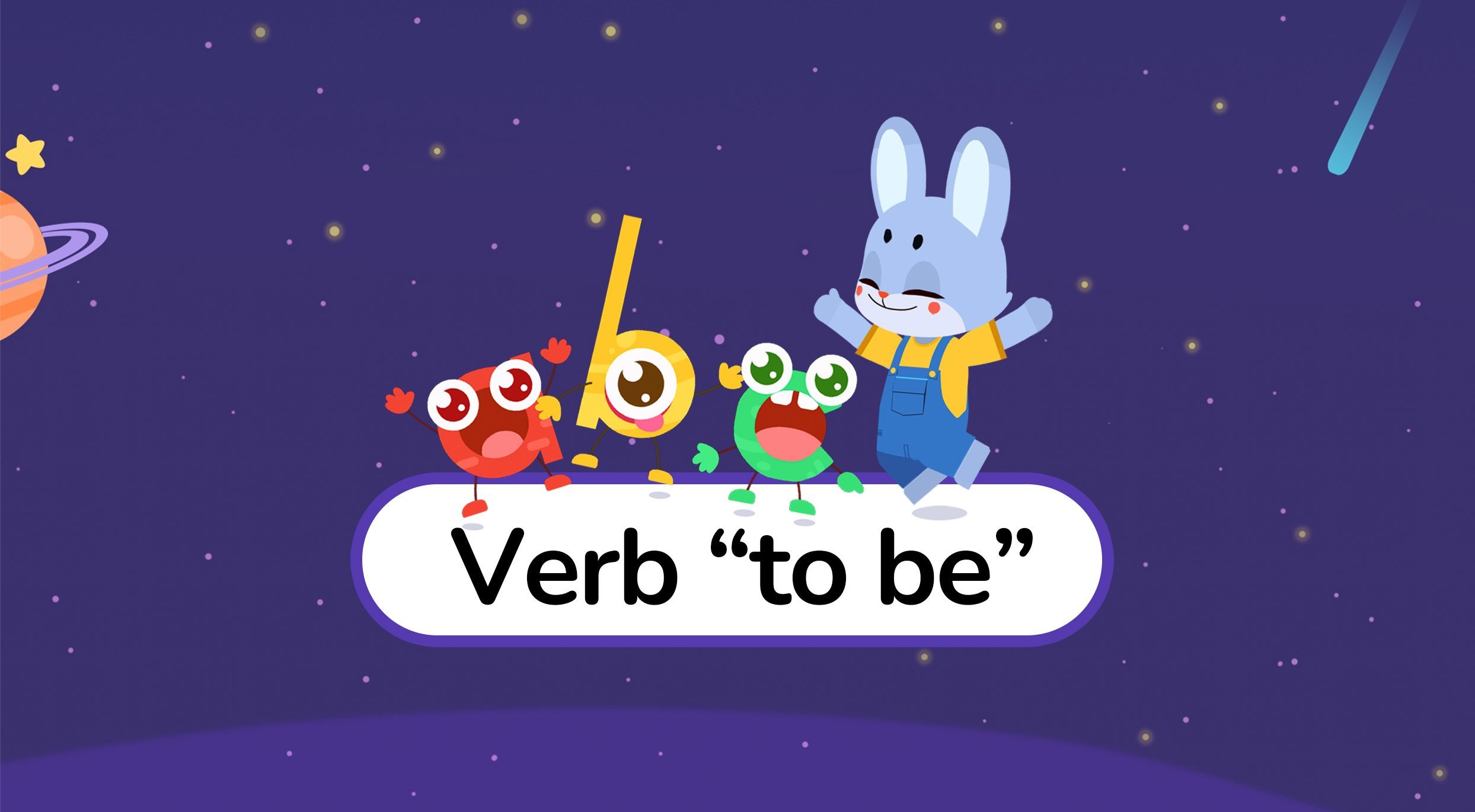

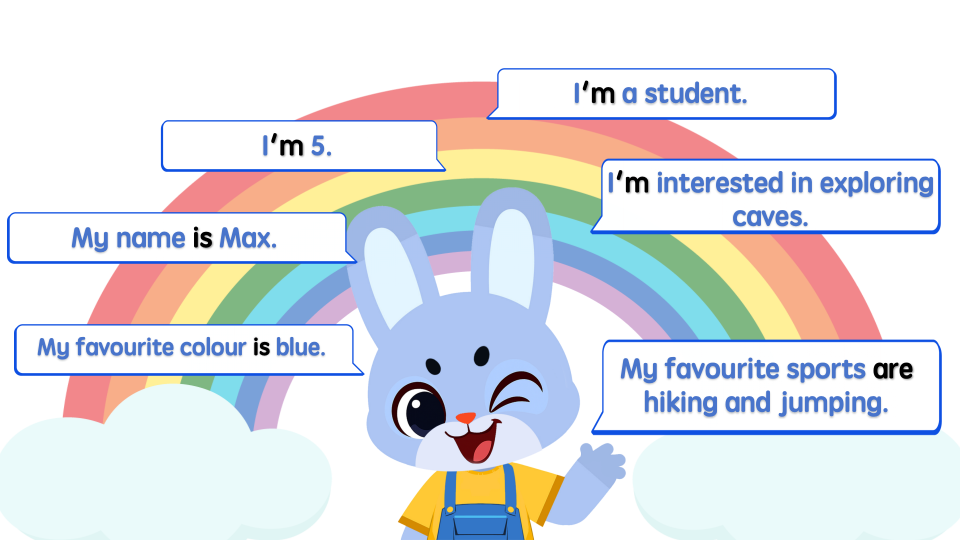
¡Hola! ¡Soy Max! Hoy te ayudaré a aprender todo sobre el verbo “to be”. Veremos am, is, are, was, were e incluso been, con ejemplos divertidos, tablas y juegos.
📑 Tabla de Contenidos
- ¿Qué es el verbo “to be”?
- Formas del presente: am, is, are
- Formas del pasado: was, were
- Been en los tiempos perfectos
- Been en la voz pasiva
- Ejemplos en la vida diaria
- Errores comunes
- Juegos divertidos de práctica
- Respuestas
- Tabla resumen de “to be”
- Reflexión final
🌟 ¿Qué es el verbo “to be”?
El verbo “to be” es uno de los más importantes en inglés.
Nos ayuda a hablar sobre quiénes somos, dónde estamos, cómo nos sentimos y mucho más.
👉 Formas de “to be”: am, is, are, was, were, been
📝 Formas del presente: am, is, are
| Sujeto | Forma | Ejemplo |
|---|---|---|
| I | am | I am happy. |
| He / She / It | is | She is my friend. |
| We / You / They | are | They are at school. |
📝 Formas del pasado: was, were
🔄 Presente vs Pasado del verbo “to be”
Aquí tienes una tabla sencilla que muestra cómo am, is, are cambian en pasado:
| Sujeto | Presente | Pasado | Ejemplo |
|---|---|---|---|
| I | am | was | I am happy today. → Yesterday, I was happy. |
| He / She / It | is | was | She is my friend. → She was my friend last year. |
| We / You / They | are | were | They are in the park. → They were in the park yesterday. |
Ejemplos de uso:
- I was at the zoo yesterday.
- She was my teacher last year.
- They were tired after the game.
📝 Been en los tiempos perfectos
“Been” se usa con have/has/had para hablar de experiencias o estados.
| Tiempo | Ejemplo | Significado |
|---|---|---|
| Presente perfecto | I have been to London. | (experiencia) |
| Presente perfecto continuo | She has been studying for an hour. | (acción en progreso) |
| Pasado perfecto | They had been friends for years. | (estado pasado antes de otro evento pasado) |
📝 Been en la voz pasiva
“Been” también se usa en oraciones pasivas.
| Tiempo | Ejemplo | Significado |
|---|---|---|
| Presente perfecto pasivo | The homework has been done. | (Ya está terminado.) |
| Pasado perfecto pasivo | The project had been completed before the deadline. | (Se hizo antes.) |
🌍 Ejemplos en la vida diaria
- I am 8 years old.
- She is my best friend.
- We are in the garden.
- He was at school yesterday.
- They were happy last night.
- I have been to the zoo.
- The cake has been eaten.
🚫 Errores comunes
| ❌ Incorrecto | ✅ Correcto | ¿Por qué? |
|---|---|---|
| He are my friend. | He is my friend. | Se usa is con “he”. |
| I am happy yesterday. | I was happy yesterday. | Se necesita pasado. |
| She has went to the park. | She has been to the park. | Se usa been con “has”. |
🎮 Juegos divertidos de práctica
Juego 1: Completa los espacios
- I ___ happy today. (am/was)
- She ___ my teacher last year. (is/was)
- They ___ at the park yesterday. (are/were)
- He ___ my best friend. (is/was)
Juego 2: Verdadero o Falso
- “I are happy.”
- “She is my sister.”
- “We was at school yesterday.”
- “They were at the party.”
Juego 3: Hazlo negativo
- She is tall. → ___
- They were hungry. → ___
Juego 4: Haz la pregunta
- You are my friend. → ___
- He was at school. → ___
✅ Respuestas
Juego 1
- am
- was
- were
- is
Juego 2
- Falso (I am happy.)
- Verdadero
- Falso (We were at school yesterday.)
- Verdadero
Juego 3
- She is not tall.
- They were not hungry.
Juego 4
- Are you my friend?
- Was he at school?
📊 Tabla resumen de “to be”
Aquí tienes una tabla de referencia rápida para todas las formas principales de to be:
| Tiempo | Singular | Plural | Ejemplo |
|---|---|---|---|
| Presente | am (I), is (he/she/it) | are (we/you/they) | I am at school. / They are happy. |
| Pasado | was (I/he/she/it) | were (we/you/they) | She was tired. / We were late. |
| Perfecto | have/has been | have/has been | I have been to Paris. / They have been friends. |
| Pasiva | has/have been + participio | has/have been + participio | The book has been read. / The toys have been cleaned. |
🎯 Reflexión final
¡El verbo “to be” está en todas partes en inglés!
- am, is, are → presente
- was, were → pasado
- been → tiempos perfectos y voz pasiva
👉 Practica todos los días, ¡y pronto usarás “to be” como Max!