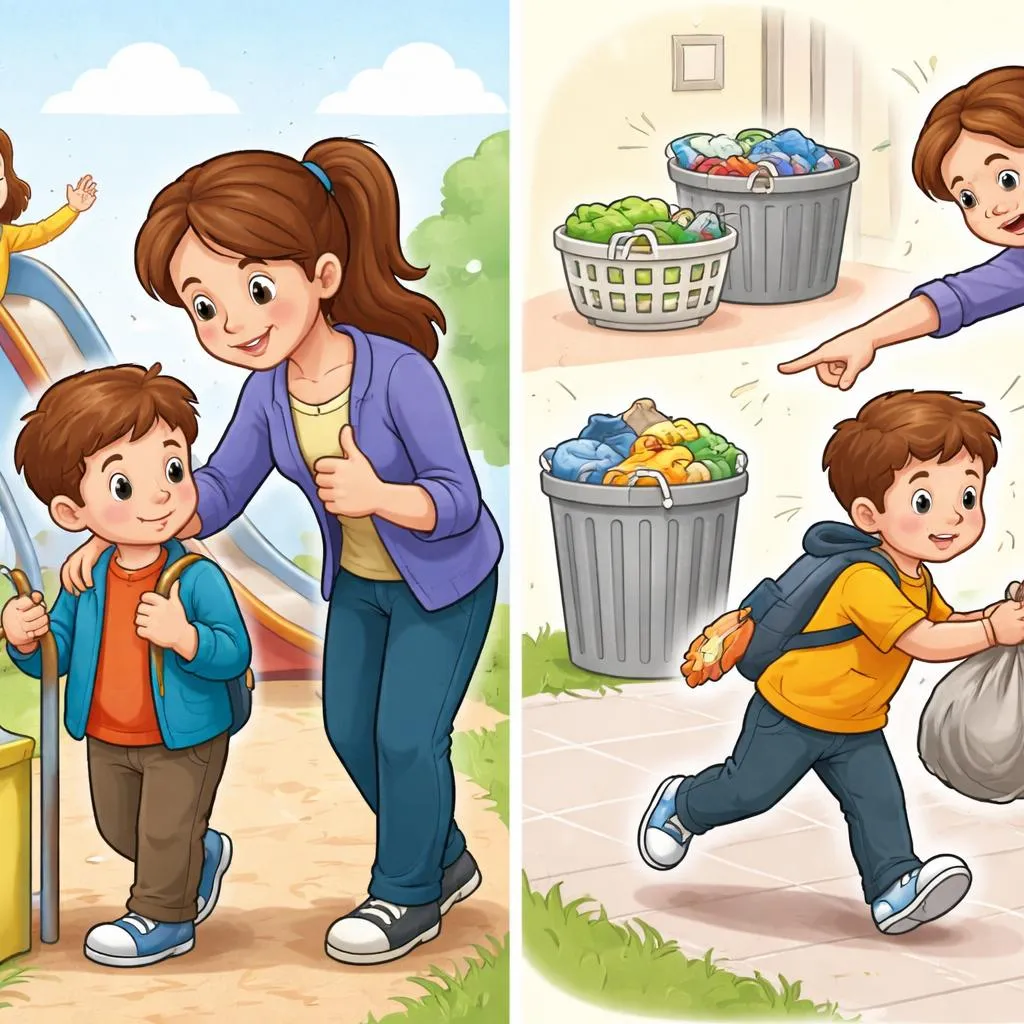

A child needs to do something. They feel unsure. Another person tries to help them move forward. Two words describe this help. "Urged" and "pressed." Both mean "tried to get someone to act." But they feel different. One is gentle and encouraging. One is stronger and more forceful.
Children hear these words in stories and conversations. Understanding the difference helps them describe how people influence each other.
This article helps families explore these encouragement phrases. Your child will learn when someone urges and when someone presses.
What Do These Expressions Mean?
"Urged" means "strongly encouraged or advised someone to do something." The word suggests gentle but persistent support. It says "I think you should do this. I believe in you."
For a child, think of a parent saying "come on, you can do it. Just try one more time." That is urging. The voice is encouraging. The goal is to build confidence.
"Pressed" means "insisted or pushed someone more forcefully to do something." The word suggests stronger pressure. It says "you really need to do this. Do not wait."
For a child, think of a coach saying "you have to try harder now. There is no time left. Go!" That is pressing. The voice is more urgent. The goal is to create action now.
These two expressions seem similar because both try to make someone act. Both come from a place of caring. Both want the person to move forward.
But one is gentle and persistent. One is stronger and more urgent.
What's the Difference?
The main difference lies in the amount of pressure. "Urged" is gentle but persistent encouragement. "Pressed" is stronger, more forceful insistence.
One is about suggesting. One is about demanding action.
"Urged" sounds like a caring cheerleader. The person believes you can do it. They want you to try. They are on your side. The tone is warm.
"Pressed" sounds like someone who needs action now. There may be a deadline. There may be consequences. The tone is more serious and urgent.
Another difference involves repetition. Urging can happen many times over a long period. Pressing often happens in a shorter, more intense moment.
Also, pressing can involve physical words like "push." Pressing feels like pressure. Urging feels like pulling forward.
So remember: urged = gentle, persistent encouragement. pressed = stronger, more urgent insistence.
When Do We Use Each One?
Use "urged" for gentle, supportive encouragement. Use it when someone needs confidence. Use it for long-term goals. Use it when the person has time.
For example, a child is nervous about a talent show. A parent says "you have practiced so hard. Just go out there and do your best. I believe in you." That parent urged the child.
Use "urged" for health advice. "The doctor urged him to exercise more." The advice is strong but gentle.
Use "pressed" for urgent situations. Use it when there is a deadline. Use it when someone is hesitating too long. Use it for stronger insistence.
For example, a child cannot decide which answer to choose on a timed test. The teacher says "you have ten seconds left. Just pick one. Now." That teacher pressed the child.
Use "pressed" for important matters. "The firefighters pressed everyone to leave the building immediately." The situation is urgent.
Also use "pressed" when someone has asked many times and now needs action.
Remember: gentle, persistent encouragement = "urged." urgent, stronger insistence = "pressed."
Example Sentences for Kids
Here are simple sentences for "urged":
Her mom urged her to try out for the school play. "You would be great," she said.
(This shows gentle, supportive encouragement.)
The teacher urged the students to read every night for twenty minutes.
(This shows persistent advice for a long-term habit.)
He urged his friend to keep practicing the piano even when it felt hard.
(This shows encouraging someone through difficulty.)
Here are simple sentences for "pressed":
The lifeguard pressed the swimmers to get out of the pool when the storm came.
(This shows urgent insistence for safety.)
She pressed her brother to make a decision. "We have to leave in one minute," she said.
(This shows urgency because of a deadline.)
The coach pressed the team to run faster during the final minute of practice.
(This shows stronger pressure in a time-sensitive moment.)
Notice how "urged" feels warm and patient. "Pressed" feels urgent and time-sensitive.
Common Mistakes to Avoid
Many people say "pressed" for gentle encouragement. This sounds too strong. A parent says "you can do it" nicely. You say "she pressed him to try."
Incorrect: Gentle encouragement. "Pressed."
Correct: "She urged him to try."
Gentle encouragement is urging, not pressing.
Another mistake: using "urged" for urgent, time-sensitive moments. This sounds too soft. A fire is coming. Someone says "leave now!" You say "she urged them to leave."
Incorrect: Urgent danger. "Urged."
Better: "She pressed them to leave immediately. There was no time to wait."
Danger and deadlines need the stronger word.
A third mistake: forgetting that pressing can feel pushy or annoying. Urging usually feels kind. Teach your child the difference in how it feels to receive each one.
"Mom urged me to practice. It felt nice that she believed in me." "Mom pressed me to practice. It felt like she was pushing too hard." The feeling difference helps children choose the right word.
Easy Memory Tips
Here is a fun trick for kids. Think of a hand on a back and a hand pushing.
"Urged" = a hand gently patting your back. The hand says "you can do it. Keep going." That is urging.
"Pressed" = a hand pushing you forward. The hand says "go now. Move." That is pressing.
Another memory tip: look at the words. "Urged" has the word "urge" like a gentle nudge. "Pressed" has the word "press" like pushing down with weight.
Draw a simple picture. Draw a hand gently patting a back next to "urged." Draw a hand pushing a shoulder forward next to "pressed." The images help children feel the difference.
Also try this question: "Was the encouragement gentle and patient or urgent and forceful?" If gentle and patient, say "urged." If urgent and forceful, say "pressed."
Quick Practice Time
Try these easy exercises with your child. Fill in the blank with "urged" or "pressed."
The librarian ________________ the children to return their books on time. "It helps everyone," she said nicely.
The bus driver ________________ everyone to hurry. "The bus is leaving now!" he shouted.
His father ________________ him to keep trying even after he failed the first time.
With only two minutes left in the game, the coach ________________ the players to score one more goal.
Answers:
Urged (gentle, persistent advice about returning books)
Pressed (urgent, time-sensitive shout)
Urged (gentle encouragement through difficulty)
Pressed (urgent, time-sensitive game situation)
Now practice using both phrases at home. When you give gentle, patient encouragement, say "I urged you." When you need urgent action because of a deadline or danger, say "I pressed you." Your child will learn the difference between a helpful nudge and a necessary push.
Wrap-up
Use "urged" for gentle, persistent encouragement that builds confidence over time. Use "pressed" for more urgent, forceful insistence when time is short or consequences are serious. Both encourage action, but one pats your back while one pushes your shoulder.