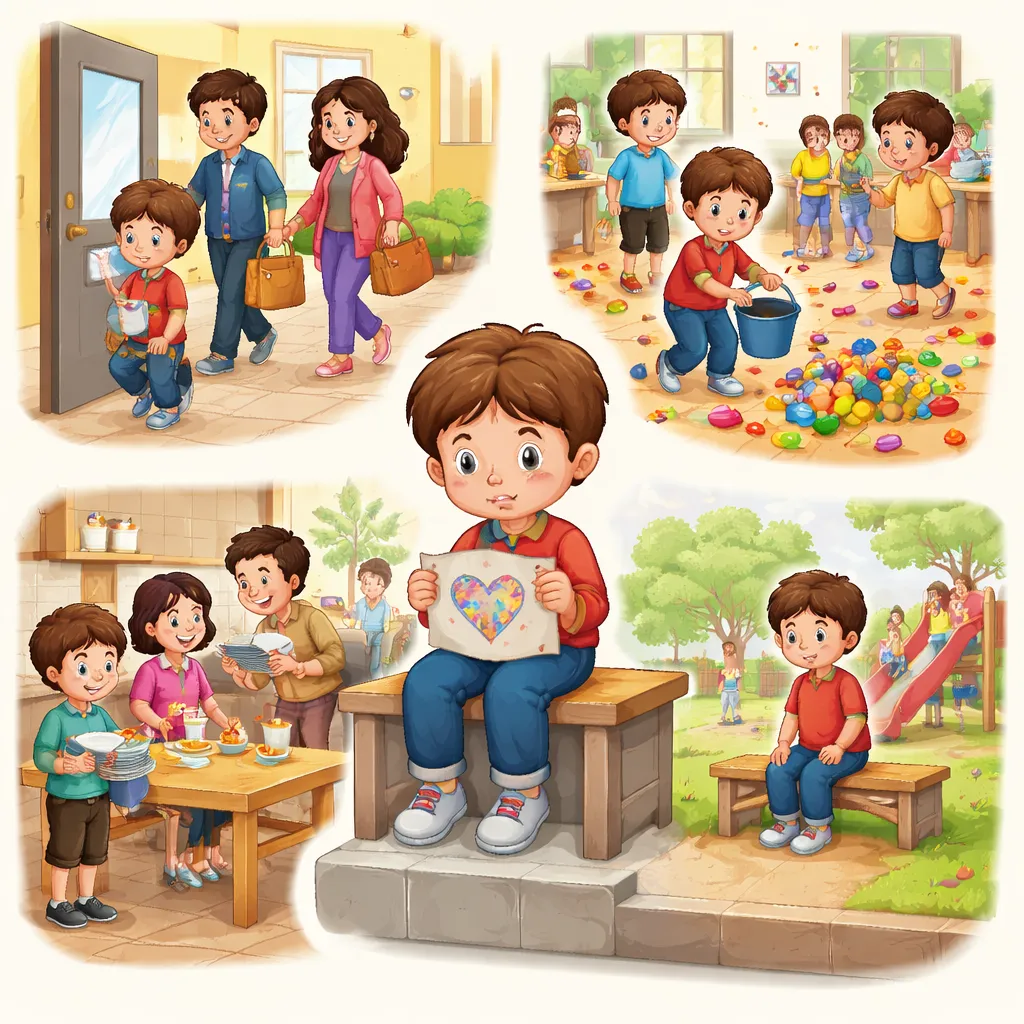

Are Similar Words Really Interchangeable?
Children often learn words that describe difficult feelings. “Unthanked” and “ignored” are two such words. Both describe situations where someone does not receive attention or appreciation. Yet they are not always interchangeable.
Understanding these differences helps children express emotions clearly. It also supports empathy. When children understand how others feel, they communicate with more care.
“Unthanked” focuses on missing gratitude. “Ignored” focuses on missing attention. These ideas are related, but not the same.
Parents can guide children with simple examples. Over time, children learn to choose words that match real situations.
Set 1: unthanked vs ignored — Which One Is More Common?
“Ignored” is more common. Children hear it often in daily life.
He ignored my message. She ignored the question.
This word feels simple and easy to understand.
“Unthanked” appears less often. It is more specific.
She helped, but felt unthanked. His effort went unthanked.
Children may not hear this word early in learning.
Start with “ignored.” Then introduce “unthanked” to expand vocabulary.
Set 2: unthanked vs ignored — Same Meaning, Different Contexts
Both words describe a lack of response. Yet they fit different contexts.
“Ignored” means someone does not pay attention.
He ignored his friend. She ignored the advice.
It focuses on attention.
“Unthanked” means someone does not receive gratitude.
She helped but remained unthanked. His kindness went unthanked.
It focuses on appreciation.
Children can learn this idea:
“Ignored” = no attention “Unthanked” = no gratitude
This makes the difference clear.
Set 3: unthanked vs ignored — Which Word Is “Bigger” or More Emphatic?
“Ignored” often feels stronger in action. It shows a clear choice to not respond.
He ignored the call.
This feels direct.
“Unthanked” feels softer, but more emotional.
Her help went unthanked.
It suggests sadness or disappointment.
Both words are important, but they express different kinds of feelings.
Children can think of it this way:
Ignore = action Unthanked = feeling
This helps them understand tone.
Set 4: unthanked vs ignored — Concrete vs Abstract
“Ignored” often connects to concrete actions.
I ignored the noise. She ignored the message.
These examples are easy to imagine.
“Unthanked” is more abstract. It connects to emotional experience.
His kindness went unthanked. Her effort was unthanked.
Children must think about feelings and expectations.
Start with clear actions. Then introduce emotional ideas. This supports understanding.
Set 5: unthanked vs ignored — Verb or Noun? First Understand the Role
“Ignored” comes from the verb “ignore.” It is a past tense form.
I ignored the advice.
“Unthanked” is an adjective. It describes a situation.
The effort was unthanked.
This difference is important.
“Ignored” describes an action. “Unthanked” describes a state or condition.
Children should learn these roles clearly. This helps them build correct sentences.
Set 6: unthanked vs ignored — American English vs British English
Both words appear in American and British English. There are no spelling differences.
“Ignored” is common in both regions. It appears in daily speech.
“Unthanked” is less common, but still used in both styles.
There are no major regional differences. This makes learning easier.
Children can focus on meaning and usage.
Set 7: unthanked vs ignored — Which Fits Formal Situations?
“Unthanked” often appears in formal or descriptive writing.
His work remained unthanked.
It sounds more thoughtful and reflective.
“Ignored” works in both formal and informal contexts.
The warning was ignored.
It feels more direct.
Teaching this difference helps children understand tone and style.
Set 8: unthanked vs ignored — Which One Is Easier for Kids to Remember?
“Ignored” is easier to remember. It connects to simple actions.
Children often experience ignoring or being ignored.
“Unthanked” is less familiar. It may take more time to learn.
To help children remember “unthanked,” try simple strategies:
Use it in stories Connect it to kindness Repeat it in context
For example:
She helped everyone but felt unthanked.
Real-life situations make learning meaningful.
Mini Exercise: Can You Spot the Differences Between These Similar Words?
Try these activities with children.
- Choose the correct word:
a. He ______ my question and walked away. (ignored / unthanked)
b. She helped her friend but felt ______. (ignored / unthanked)
- Match the idea to the word:
No attention → ______ No gratitude → ______
- Fill in the blank:
The advice was ______ by many people. His kindness went ______.
Encourage children to explain their answers. This builds understanding.
Parent Tips: How to Help Kids Learn and Remember Similar Words
Parents can support emotional vocabulary learning in simple ways.
First, connect words to daily life. Talk about moments when someone is ignored. Then discuss times when someone is not thanked.
Second, read stories together. Stories often show characters feeling unseen or unappreciated.
Third, encourage children to express feelings. Ask them how they feel when someone ignores them or does not thank them.
Fourth, keep learning gentle and supportive. Focus on understanding.
Fifth, repeat words naturally in conversation. Repetition helps memory.
Sixth, ask guiding questions:
Did someone ignore this? Or did they forget to say thank you?
These questions help children think clearly.
As children grow, they learn to understand both actions and emotions. Words like “unthanked and ignored” help them describe these experiences with care. This supports both language development and emotional awareness, helping children become thoughtful and confident communicators.