
Are Similar Words Really Interchangeable?
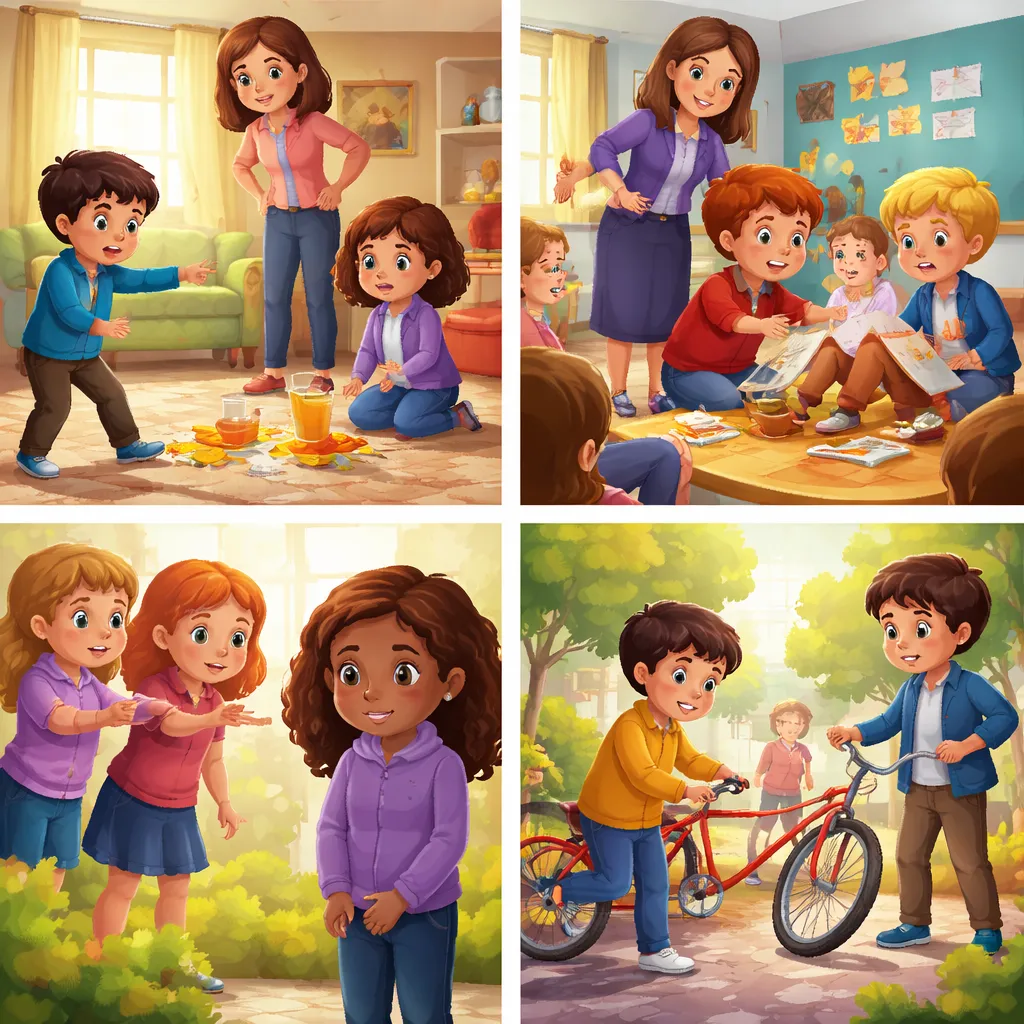
Children often meet words that describe negative feedback. “Criticized” and “blamed” are two important examples. Both relate to pointing out problems. Yet they are not always interchangeable.
Understanding the difference helps children communicate clearly. It also supports emotional awareness. Words can affect how messages are received.
“Criticized” often focuses on ideas or actions. “Blamed” focuses on responsibility. These differences matter in daily communication.
Parents can guide children by using simple examples. Over time, children learn to choose words that match meaning and tone.
Set 1: criticized vs blamed — Which One Is More Common?
Both words are common, but they appear in different ways.
“Criticized” often appears in discussions about work or behavior.
The teacher criticized the homework. He criticized the plan.
This word connects to feedback and evaluation.
“Blamed” is also common. It often appears in situations about responsibility.
She blamed her brother for the mistake. They blamed the weather.
Children may hear “blame” early because it appears in everyday situations.
Both words are useful. However, “blamed” may feel more familiar in daily speech.
Set 2: criticized vs blamed — Same Meaning, Different Contexts
Both words relate to negative judgment. Yet they focus on different ideas.
“Criticized” means pointing out problems or weaknesses.
She criticized the design. He criticized the decision.
It focuses on what is wrong.
“Blamed” means saying someone is responsible for a problem.
She blamed him for the error. He blamed the delay on traffic.
It focuses on who caused the problem.
Children can learn this idea:
“Criticized” = pointing out problems “Blamed” = assigning responsibility
This helps them choose words carefully.
Set 3: criticized vs blamed — Which Word Is “Bigger” or More Emphatic?
“Blamed” often feels stronger. It can carry more emotional weight.
“Criticized” may sound more neutral. It often appears in feedback.
The teacher criticized the essay.
This can help someone improve.
“Blamed” can feel more direct and serious.
He blamed his friend for the loss.
This may affect relationships.
Children can think of it this way:
Criticize = discuss problems Blame = point at a person
This helps them understand emotional impact.
Set 4: criticized vs blamed — Concrete vs Abstract
“Criticized” often connects to ideas and actions.
I criticized the plan. She criticized the drawing.
These examples focus on what was done.
“Blamed” often connects to people or causes.
He blamed his teammate. She blamed the situation.
Children must think about responsibility.
Both words involve thinking, but “blamed” often feels more personal.
Start with simple examples. Then explore deeper meanings.
Set 5: criticized vs blamed — Verb or Noun? First Understand the Role
Both “criticized” and “blamed” come from verbs. They are past tense forms.
I criticized the work. She blamed her friend.
They can also appear in passive structures.
The work was criticized. He was blamed for the mistake.
Children should learn that these words describe actions.
They are not nouns. They function as verbs or verb forms.
Understanding this helps children build correct sentences.
Set 6: criticized vs blamed — American English vs British English
Both words appear in American and British English. There are no spelling differences.
“Criticized” is spelled “criticised” in British English. This is a small variation.
“Blamed” stays the same in both styles.
Children do not need to worry too much about this early. It is helpful to notice the difference later.
Focus first on meaning and usage.
Set 7: criticized vs blamed — Which Fits Formal Situations?
“Criticized” fits formal situations better. It sounds more neutral and professional.
The report criticized the policy.
This appears in articles or discussions.
“Blamed” can also appear in formal writing, but it feels more direct.
The report blamed the company.
It may sound stronger or more emotional.
Teaching this difference helps children adjust tone.
Set 8: criticized vs blamed — Which One Is Easier for Kids to Remember?
“Blamed” is easier for children. It connects to simple situations they understand.
Children often hear phrases like “Don’t blame others.”
“Criticized” is longer and more complex. It may take more time to learn.
To help children remember “criticized,” try simple strategies:
Use it in school examples Connect it to feedback Repeat it in context
For example:
The teacher criticized the work to help improve it.
Real-life examples make learning meaningful.
Mini Exercise: Can You Spot the Differences Between These Similar Words?
Try these activities with children.
- Choose the correct word:
a. The teacher ______ the student’s work for mistakes. (criticized / blamed)
b. He ______ his friend for losing the game. (criticized / blamed)
- Match the idea to the word:
Pointing out problems → ______ Saying who caused the problem → ______
- Fill in the blank:
She ______ the design for its errors. He ______ the delay on bad weather.
Encourage children to explain their answers. This builds deeper understanding.
Parent Tips: How to Help Kids Learn and Remember Similar Words
Parents can support vocabulary learning in simple ways.
First, connect words to daily life. Talk about moments when someone gives feedback. Then discuss situations where someone is blamed.
Second, read together often. Stories show characters facing problems and taking responsibility.
Third, encourage children to express ideas carefully. Ask them to explain what went wrong and why.
Fourth, keep learning positive and supportive. Focus on understanding.
Fifth, repeat words naturally in conversation. Repetition helps memory.
Sixth, ask guiding questions:
Are we criticizing the idea? Or blaming the person?
These questions help children think clearly.
As children grow, they learn to express opinions with care. Words like “criticized and blamed” help them describe problems and responsibility accurately. This supports both language development and social understanding, helping children communicate with clarity and respect.