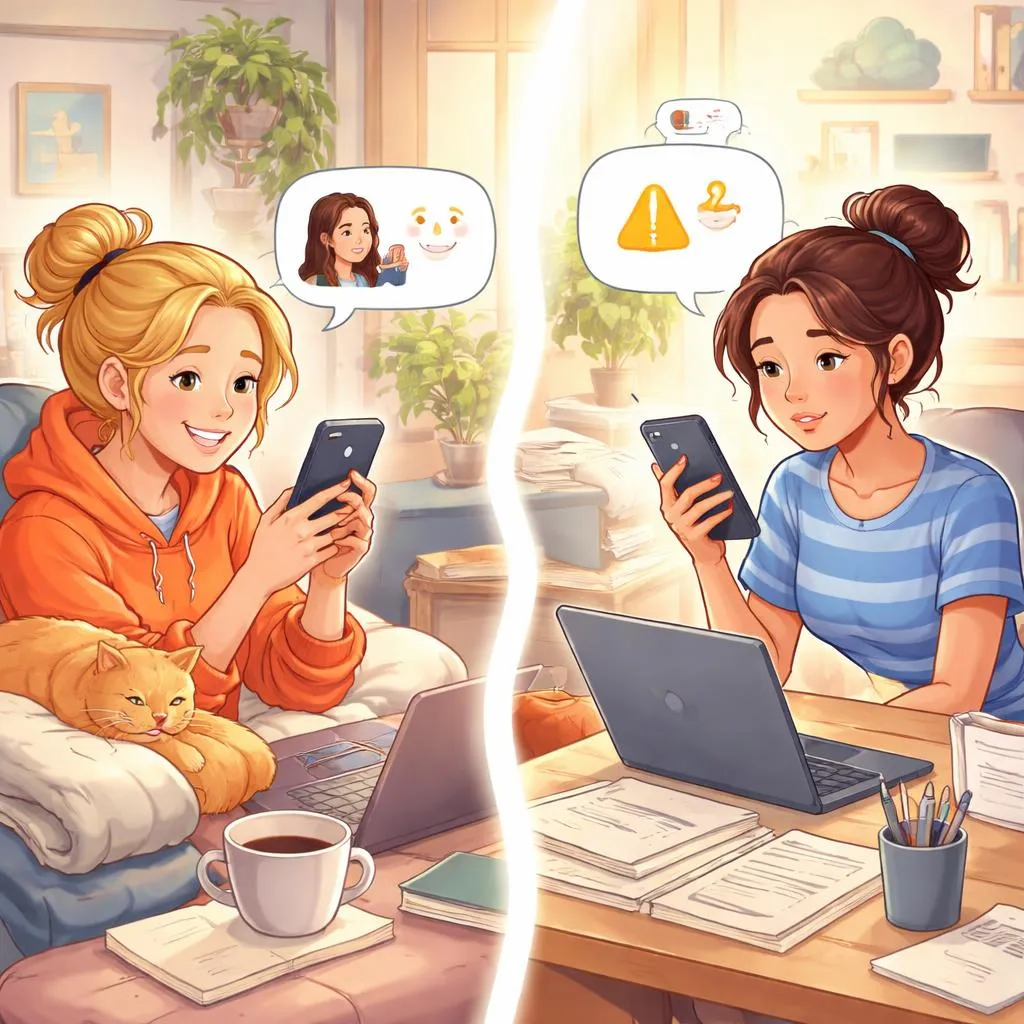

What Do These Expressions Mean? “I'm busy” and “I'm occupied” both tell someone you cannot give attention now. They explain that your time and focus belong to something else. Children say these words when doing homework or chores. Both set boundaries kindly.
“I'm busy” means I have many things to do right now. It is direct and honest. A child says it when a friend interrupts playtime work. It feels firm but not mean.
“I'm occupied” means my attention is fully taken by something. It sounds more formal and gentle. An adult says it at work or on the phone. It sounds softer and more polite.
These expressions seem very similar. Both say “I cannot talk or play now.” Both protect your time. But one feels daily while the other feels proper.
What's the Difference? One is casual. The other is formal. “I'm busy” works for friends and family. It is honest and quick. Children understand it easily.
“I'm occupied” works for polite or professional moments. It sounds softer and less rejecting. It feels like “I want to help but I can't right now.” Children rarely need this word.
Think of a child doing homework. A sibling asks to play. “I'm busy” works fine. “I'm occupied” sounds like a butler. One fits a child. One does not.
One can sound harsh. The other sounds gentle. “Busy” can sound like “go away.” “Occupied” sounds like “I will be free later.” The tone matters.
Also, “occupied” often describes rooms or bathrooms. “This seat is occupied.” “Busy” never describes a space. Only people and schedules.
When Do We Use Each One? Use “I'm busy” for most situations. Use it with friends, siblings, and parents. Use it when you are doing homework, chores, or reading. It fits daily life.
Examples at home: “I'm busy with my puzzle right now.” “Can you ask later? I'm busy studying.” “I'm busy. Let's play in twenty minutes.”
Use “I'm occupied” for very polite or formal moments. Use it with teachers, guests, or on the phone. Use it when you want to sound extra kind. Children rarely need this.
Examples for politeness: “I'm occupied with a project at the moment.” “Please wait. I'm occupied on a call.” “The teacher is occupied with another student.”
Most children should just say “I'm busy.” It is honest and clear. “Occupied” is good to know but not to overuse. Natural English chooses “busy” almost every time.
Example Sentences for Kids I'm busy: “I'm busy building my Lego tower.” “Sorry, I'm busy right now. Come back in ten minutes.” “I'm busy with my homework. Let's talk at dinner.”
I'm occupied: “The bathroom is occupied.” (sign on door) “I'm occupied with my reading at the moment.” (polite) “Please knock later. I'm occupied.”
Notice “I'm busy” works for children and play. “I'm occupied” works for bathrooms and offices. Children sound like themselves with “busy.” “Occupied” can sound like a grown-up game.
Parents can say both. “I'm busy making dinner.” “This chair is occupied.” Children learn context from hearing you.
Common Mistakes to Avoid Some children say “occupied” to sound important. It backfires. Friends might laugh. Just say “busy.” Simple is better.
Wrong: “I'm occupied with my crayons.” Right: “I'm busy coloring.”
Another mistake: using “busy” in a mean voice. “I'm BUSY!” shouted hurts feelings. Say it calmly. Add a time. “I'm busy for five minutes. Then I can play.”
Wrong: “I'm busy. GO AWAY.” Right: “I'm busy with homework. Can you wait ten minutes?”
Some learners forget to offer a solution. Do not just say “I'm busy.” Say “I'm busy now, but I can help you later.” That keeps friendships kind.
Wrong: “I'm busy.” (silence) Right: “I'm busy right now. Let's play after my show.”
Also avoid using “occupied” for yourself in casual talk. It sounds strange. Save it for bathrooms and seats. Your friends will appreciate simple English.
Easy Memory Tips Think of “I'm busy” as a stopwatch. The watch is ticking. You have things to do. Honest and clear.
Think of “occupied” as a hotel sign. The sign hangs on a door. It means “someone is inside.” Formal and specific.
Another trick: remember the first letter. “Busy” has B for “before play.” “Occupied” has O for “official.” Before play gets “busy.” Official signs get “occupied.”
Parents can say: “Busy for you. Occupied for rooms.” That means people say “I'm busy.” Bathrooms and chairs say “occupied.”
Practice at home. When doing a puzzle, say “I'm busy.” When the bathroom door is shut, say “occupied.” The difference becomes clear and fun.
Quick Practice Time Let us try a small exercise. Choose the better phrase for each situation.
You are in the middle of your favorite show. Your friend calls to chat. a) “I'm occupied with my show.” b) “I'm busy watching my show. Can I call you back?”
You see a sign on a public bathroom door. a) “This bathroom is busy.” b) “This bathroom is occupied.”
Answers: 1 – b. Friends get the natural “busy” with a kind solution. 2 – b. Bathroom signs always say “occupied.”
Fill in the blank: “When my little brother wants to play but I am doing homework, I say ______.” (“I'm busy” fits this daily situation with family.)
One more: “When an airplane bathroom door says 'Please wait,' the toilet is ______.” (“Occupied” is the correct word for trains, planes, and bathrooms.)
Everyone gets busy sometimes. Saying it kindly keeps friends close. “I'm busy now, but later I'm yours” is a beautiful sentence. Teach your child to say it with love.
Wrap-up “I'm busy” tells someone you cannot give attention now. “Occupied” says a space or person is taken. Use “I'm busy” for yourself with friends and family. Use “occupied” for rooms and bathrooms. Setting boundaries is healthy. Kind words make boundaries feel like love, not rejection.