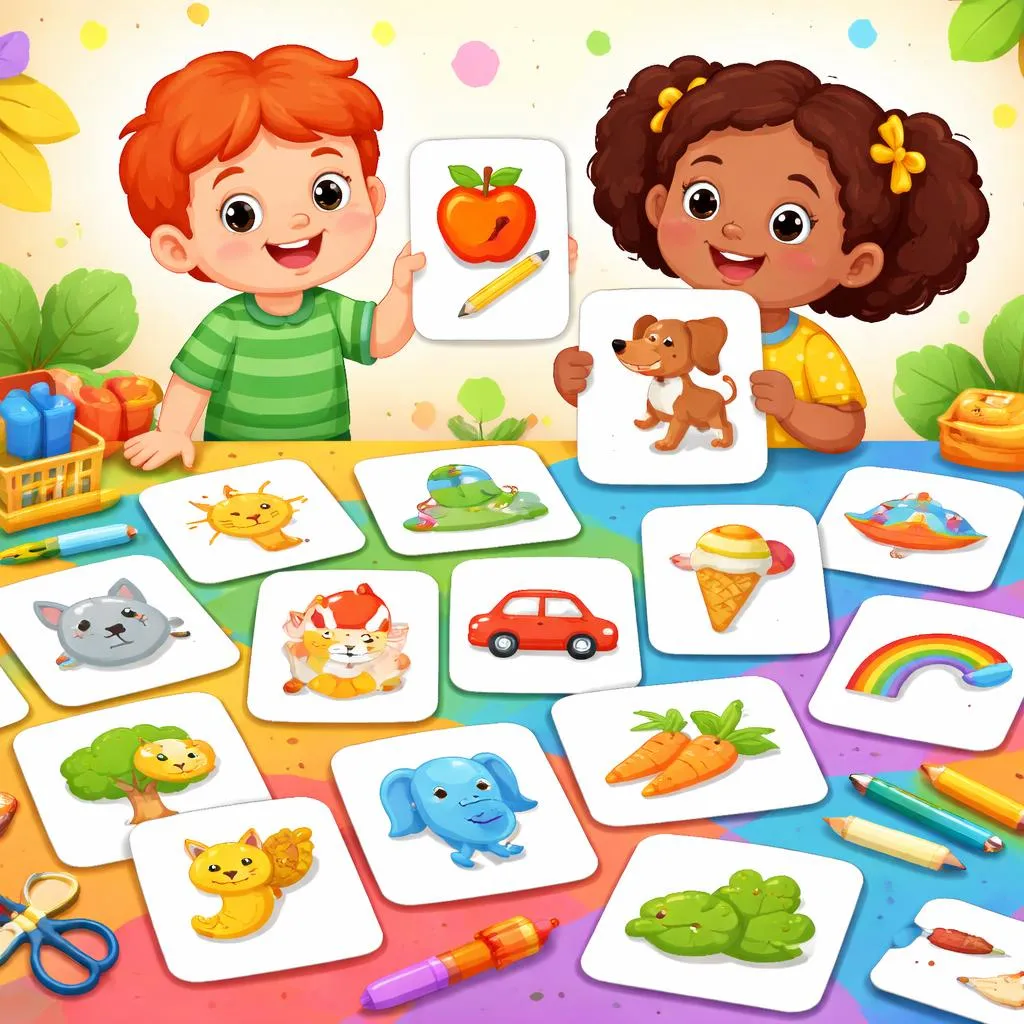

Dear parents and lovely children, today we will learn and practice with this type of English flashcard content: English word flashcards containing in For Kids – Free Printable PDF
Word list: bin, fin, pin, tin, win
Click here to download English word flashcards containing in For Kids – Free Printable PDF
Meaning and Explanation of Each Flashcard Word
-
Bin: A container used to hold or store things, often for trash or recycling.
Example sentences:- Please put the paper in the bin.
- The bin is full, so we need to empty it.
-
Fin: A flat part on the body of a fish or other sea animals that helps them swim.
Example sentences:- The shark’s fin is visible above the water.
- Fish use their fins to move in the water.
-
Pin: A small, thin piece of metal used to fasten things together or hold fabric in place.
Example sentences:- She used a pin to fix the torn dress.
- Be careful with the sharp pin!
-
Tin: A metal container used for storing food or other items.
Example sentences:- We have a tin of cookies in the kitchen.
- The tin can is empty now.
-
Win: To be successful in a competition or game.
Example sentences:- I hope our team will win the match.
- She worked hard to win the prize.
How to Teach English Word Flashcards with Flashcards
Flashcards are a fantastic tool for teaching young children new vocabulary. Parents and teachers can use these flashcards to introduce each word clearly and visually. Start by showing the flashcard and saying the word aloud. Then explain the meaning using simple language and examples that children can relate to. Encourage children to repeat the word after you to practice pronunciation. You can also ask questions about the word, such as “What do you put in a bin?” or “Can you show me where the fin is on this fish picture?” This interactive approach helps children connect words to real objects and concepts, making learning more effective and fun.
Fun English Word Flashcard Games
- Memory Match: Lay all flashcards face down. Children take turns flipping two cards at a time, trying to find matching pairs (for example, the word “fin” and a picture of a fish fin). This game improves memory and word recognition.
- Flashcard Bingo: Create bingo cards with the flashcard words. Call out words randomly, and children mark them on their bingo cards. This game helps with listening skills and word recall.
- Word Hunt: Hide flashcards around the room. Children find the cards and say the word aloud when they find one. This encourages movement and active learning.
Example Sentences with Flashcard Vocabulary
- The bin is where we throw our trash.
- A fish swims using its fin.
- Use a pin to hold the paper together.
- The cookies are in a tin box.
- Our team wants to win the game!
Free English Word Flashcards PDF Download
You can easily download and print these flashcards for free from the provided link. Printing the flashcards on sturdy paper or cardstock will make them more durable for repeated use. You can also laminate them to protect against wear and tear. Having physical flashcards at home allows children to practice anytime, reinforcing their vocabulary through daily interaction.
FAQ about English Word Flashcards
-
Q: How often should children practice with flashcards?
A: Daily short sessions of 5-10 minutes are ideal to keep children engaged without overwhelming them. -
Q: What if my child forgets the word?
A: Repetition is key. Use the flashcards regularly and incorporate the words into everyday conversations and activities. -
Q: Can older children benefit from these flashcards?
A: Yes, especially beginners or children learning English as a second language. These simple words build a strong foundation. -
Q: Are there digital versions of these flashcards?
A: Many educational websites offer digital flashcards that can be used on tablets or computers for interactive learning. -
Q: How can I make learning with flashcards more fun?
A: Use games, songs, and storytelling that include the flashcard words. Praise and encouragement also motivate children to learn.
By using these English word flashcards, children will not only learn new vocabulary but also improve their reading, speaking, and listening skills in an enjoyable and engaging way. Parents and educators can support this learning journey by consistently practicing and making it a fun part of daily routines.
