
Children count things. All the crayons. Every one of the cookies. Both phrases mean the whole group. Two common words describe total inclusion. “All” and “Every one.” Both mean “100 percent of the group.” Both say “not some, not none.” But one is a single word. One is two words. Parents and kids can learn together. Talking about totals helps children understand numbers and fairness. The right words show that nothing is left out. Let us explore these two total expressions.
What Do These Expressions Mean? “All” means “the entire number or amount.” It refers to a group as a whole. One word. Simple. It works for things you cannot count too.
For a child, think of a full bucket of water. “All” says “The whole bucket. Nothing left out. Every drop.”
“Every one” means “each individual member of a group.” It focuses on the single items. “Every” means each. “One” means single unit. Together they mean “each and every single one.”
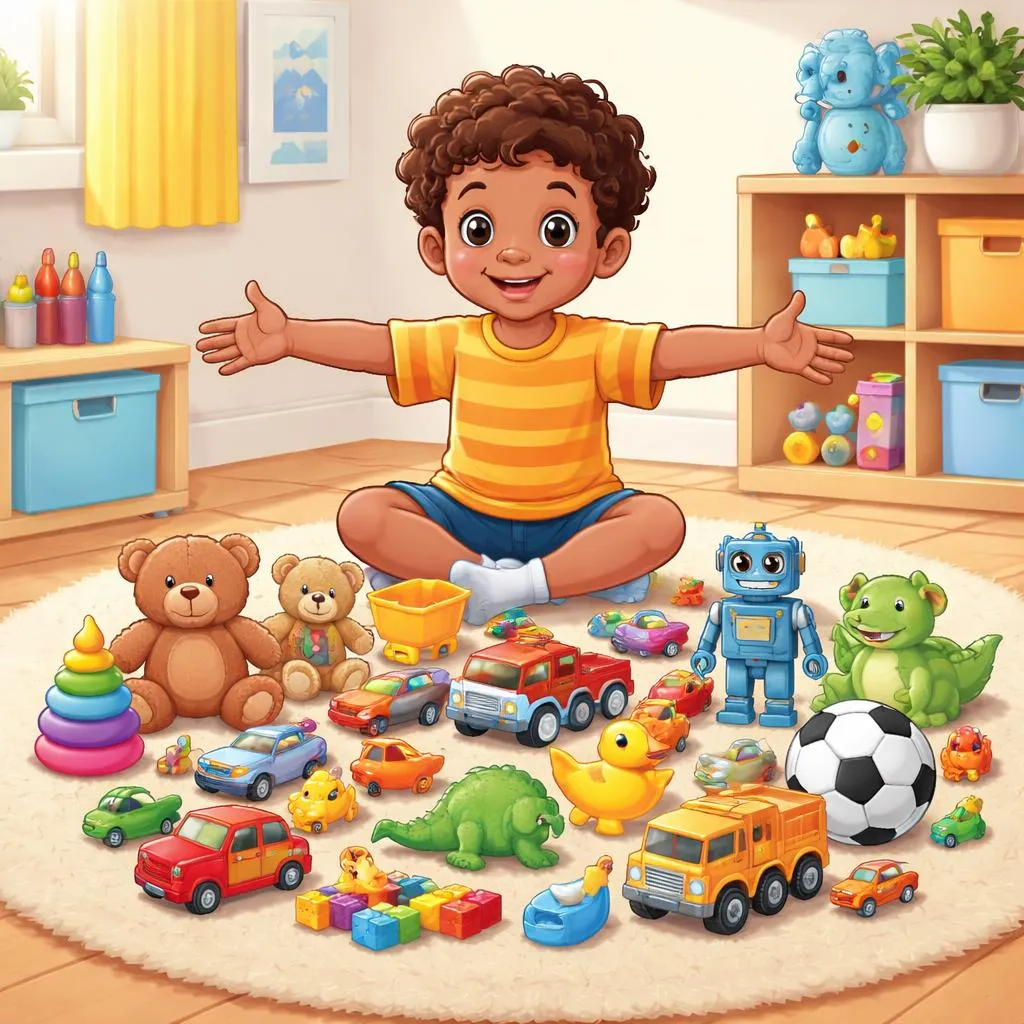
For a child, think of lining up ten toy cars. “Every one” says “Car number one. Car number two. All the way to car ten. No car missing.” Both phrases mean the whole group. Both say “nothing left out.” They seem similar because people use both to talk about completeness. Yet one sees the group as one thing. One sees the group as many individuals.
What’s the Difference? The main difference is singular versus plural focus. “All” treats the group as a single whole. “All the cake is gone.” One cake. “All” sees the cake as one thing.
“Every one” treats each member separately. “Every one of the candles is lit.” You think about each candle alone.
Another difference is grammar. “All” can be used with uncountable nouns. “All the water.” “All the sand.” “Every one” cannot. You cannot say “every one of the water.”
One more difference is verb agreement. “All” can take a singular or plural verb. “All the cake IS gone.” (singular) “All the children ARE here.” (plural) “Every one” always takes a singular verb. “Every one IS here.”
Also, “every one” is two words. “Everyone” (one word) means everybody, people. That is different.
Teach children that both mean total. One is for the whole. One is for each piece.
When Do We Use Each One? Use “All” for quick statements about a whole group. “All the toys need to be put away.” “All my friends came to the party.” “All the milk is gone.”
Use “All” for uncountable things. “All the snow melted.” “All the time in the world.” “All the food was delicious.”
Use “All” before nouns without “of.” “All children like candy.” “All dogs bark.” This is shorter.
Use “Every one” when you want to emphasize each single item. “I checked every one of the test answers.” “Every one of the cookies has a chocolate chip.”
Use “Every one” with “of” for specific groups. “Every one of us is tired.” “She called every one of her friends.”
Use “Every one” when you need a singular verb. “Every one of the eggs IS fresh.” Not “are.”
Parents can model both. Say “all” for simple totals. Say “every one” to emphasize individuals.
Example Sentences for Kids Here are simple sentences children can say.
All:
All the crayons are in the box.
I ate all my vegetables.
All of the books need to go back on the shelf.
All the lights are off.
She finished all her homework.
Every one:
Every one of the puzzle pieces fits.
I tried on every one of the shoes.
Every one of the cupcakes has a cherry.
He knows every one of his classmates' names.
Every one of the stars is far away.
Read these aloud. Notice how “all” treats the group as one. Notice how “every one” treats each member separately.
Common Mistakes to Avoid Children make mistakes with these phrases. Here are common errors.
Mistake 1: Using “every one” for uncountable things. “Every one of the water” is wrong. Water is not made of single countable items. Correct: Say “All of the water.”
Mistake 2: Confusing “every one” with “everyone.” “Everyone” means all people. “Every one” means each single item. They sound the same but are different. Correct: Write “every one” as two words when you mean each single thing.
Mistake 3: Using “all” with a singular verb for countable items. “All the crayon is in the box” is wrong if you mean many crayons. Correct: “All the crayons ARE in the box.”
Mistake 4: Forgetting “of” after “all” before a pronoun. “All us are tired” is wrong. You need “All of us.” Correct: Say “All of us” or “We all.”
Mistake 5: Saying “all of” when “all” works alone. “All of the cookies” is fine. “All the cookies” is shorter and fine too. Correct: Both work. Shorter is often better.
Easy Memory Tips Here are simple memory tricks.
Memory tip 1: Think of a whole pizza and single slices. “All” is the whole pizza. One thing. “Every one” is each slice. Many individuals.
Memory tip 2: Use your hands. Make a big circle with both arms for “all” (whole). Point one finger at a time, counting, for “every one.”
Memory tip 3: Ask “is it countable?” If yes, you can use both. If no (water, sand, time), use “all” only.
Memory tip 4: Draw two pictures. A filled circle labeled “all.” Circles with checkmarks on each labeled “every one.”
Memory tip 5: Use the “space test.” “Every one” has a space. Think of each item having its own space. “Everyone” (no space) means all people together.
Practice these tips during clean-up. Count all the toys. Then touch every one.
Quick Practice Time Try these exercises. Parents read aloud. Children answer.
Exercise 1: Choose the best phrase.
You want to talk about all the milk in a jug. Milk is uncountable. Do you say: a) All the milk b) Every one of the milk
You want to say each of the ten crayons is broken. Do you say: a) All the crayons are broken b) Every one of the crayons is broken
You want to say the whole group of children is here. Do you say: a) All the children are here b) Every one of the children is here
Answers: 1(a), 2(a or b — both work), 3(a or b — both work)
Exercise 2: Fill in the blank.
“__________ the cookies have been eaten.” (treats group as whole)
“__________ of the puzzle pieces fits perfectly.” (emphasizes each piece)
Answers: 1. All, 2. Every one
Bonus: Play the “Whole or Each” game. Gather a small group of toys. Say “all the toys” and sweep your hand over the whole group. Then say “every one of the toys” and point to each toy one by one. Feel the difference in meaning and feeling.
Wrap-up Use “all” to talk about a whole group as one thing, especially with uncountable nouns. Use “every one” to emphasize each single member of a countable group. Both mean total inclusion. One sees the forest. One sees each tree. Teach children that both words are powerful. Saying “all” includes everything. Saying “every one” values each piece. Both matter.