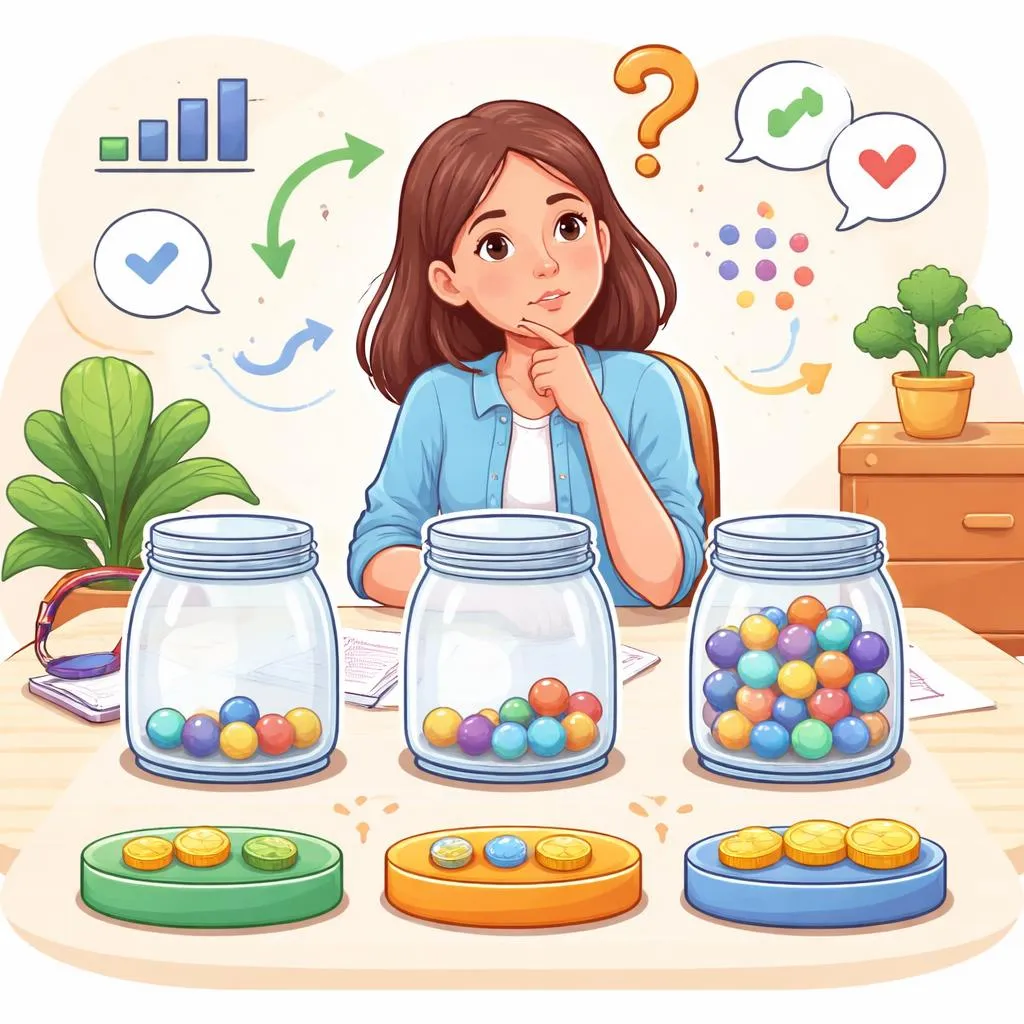
How Do You Know When to Use Few, Fewer, Fewest, and Fewness in English?
Hello, word counter Have you ever played a game with your friends? You might say, "I have few points." Your friend has less points. You say, "She has ...
Read MoreHello, word counter Have you ever played a game with your friends? You might say, "I have few points." Your friend has less points. You say, "She has ...
Read More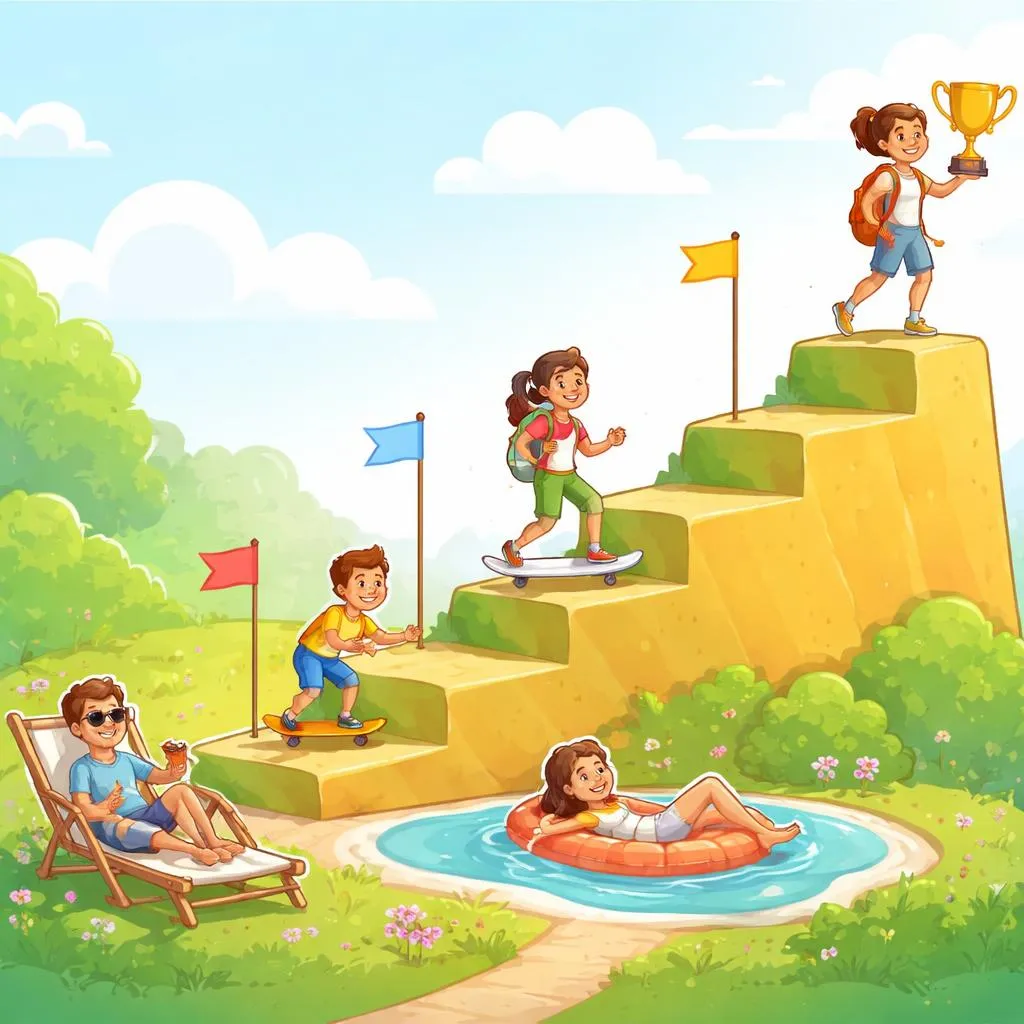
What Does “Same Word, Different Forms” Mean? One root word can grow into five comfort forms. “Easy, ease, easily, easier, easiest” share one meaning. ...
Read More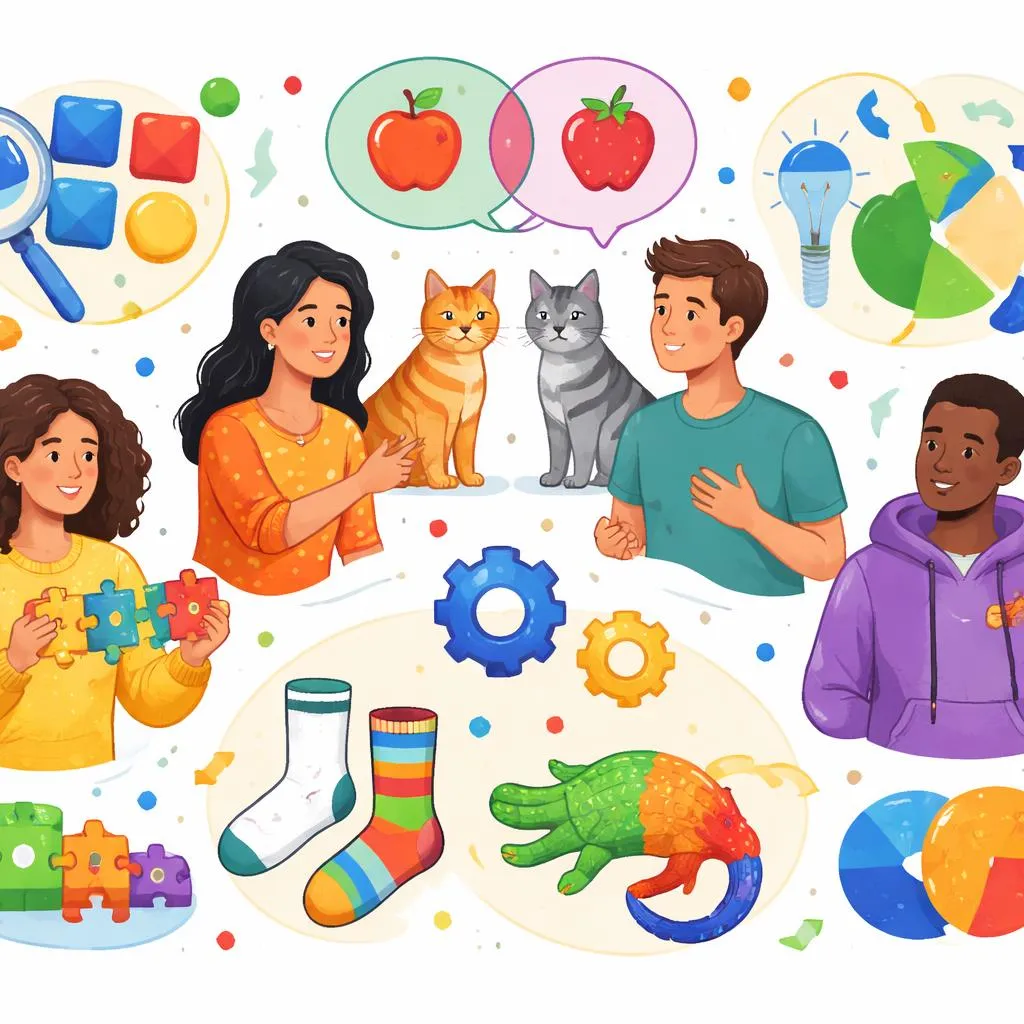
What Does “Same Word, Different Forms” Mean? One root word can grow into four comparing forms. “Differ, difference, different, differently” share one ...
Read More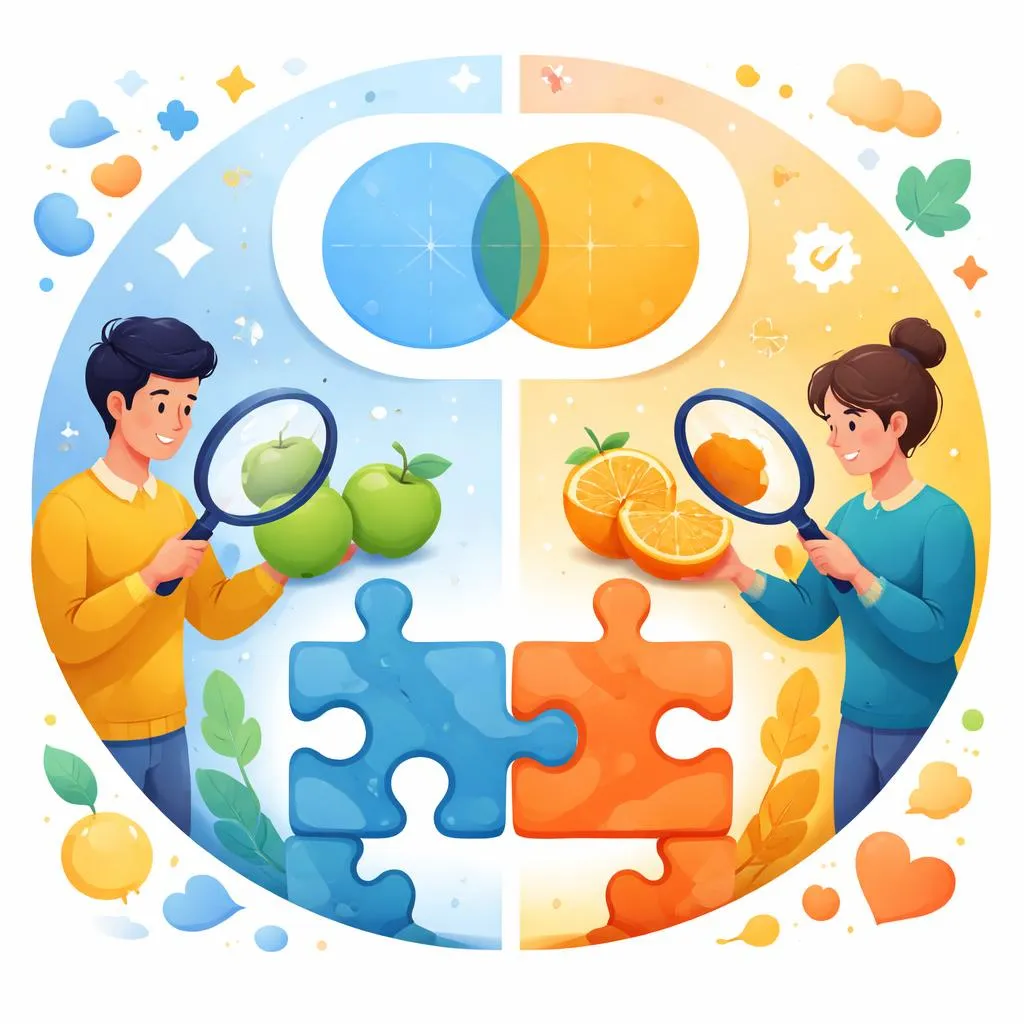
Hello, word detective Your teacher asks a question. "Can you compare these two animals?" Then she asks another. "Now, can you contrast them?" They bot ...
Read More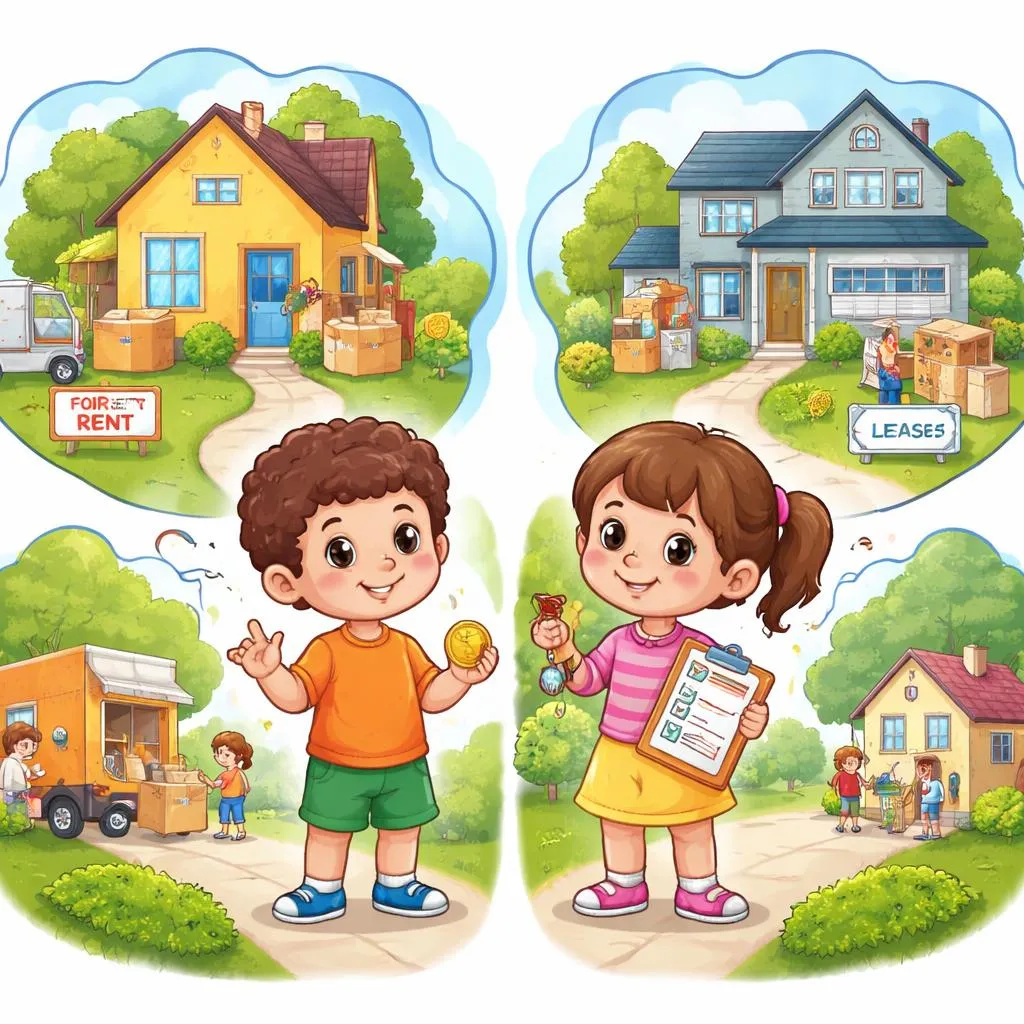
Hello, word explorer Have you ever heard grown-ups talk? They might say "rent an apartment" or "lease a car." They both seem to be about paying to use ...
Read More
Children look up at big things. A tree, a parent, a slide at the playground. Parents say “He is tall” or “The mountain is towering.” Are “tall” and “t ...
Read More
Children know when something is big. A giant balloon, a tall building, a full moon. Parents say “This shirt is large” or “That truck is huge.” Are “la ...
Read More
Children notice when people are not tall. A young sibling, a friend, a grandparent. Parents say “The pencil is short” or “She has a petite frame.” Are ...
Read More
Children know when something is little. A tiny bug, a small toy, a short pencil. Parents say “This box is small” or “That camera is compact.” Are “sma ...
Read More
Children know when a place feels big. A park, a gym, a large living room. Parents say “The road is wide” or “The house feels spacious.” Are “wide” and ...
Read More
Children know when space is tight. A tiny closet, a crowded bus, a small tent. Parents say “The path is narrow” or “The room feels cramped.” Are “narr ...
Read More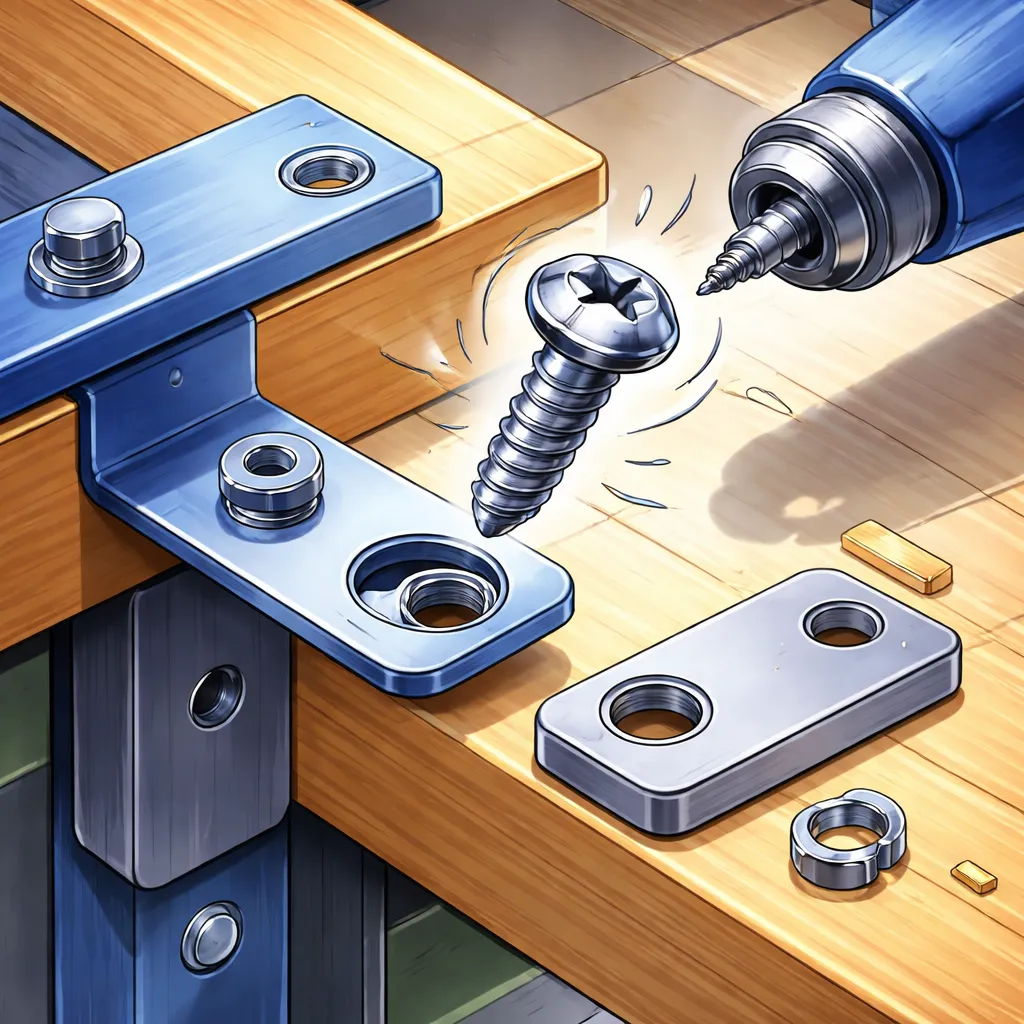
Children know when things are not held tightly. A wobbly wheel, a dangling string, an open gate. Parents say “The screw is loose” or “The bird is free ...
Read More
Children know when something is not strong. A thin paper, a broken toy, a tired arm. Parents say “The branch is weak” or “The excuse sounds flimsy.” A ...
Read More
Children know when things are held firmly. A shoelace, a jar lid, a seatbelt. Parents say “The knot is tight” or “Make sure the door is secure.” Are “ ...
Read More
Children know when something is easy to carry. A pencil, a small toy, a water bottle. Parents say “This bag is light” or “That device is portable.” Ar ...
Read More
Children know when things are tough. A thick branch, a metal spoon, a hard shell. Parents say “He is strong” or “This table is sturdy.” Are “strong” a ...
Read More
Children know when things are hard to hold. Ice, soap, a wet slide, a banana peel. Parents say “The floor is slippery” or “The road is slick.” Are “sl ...
Read More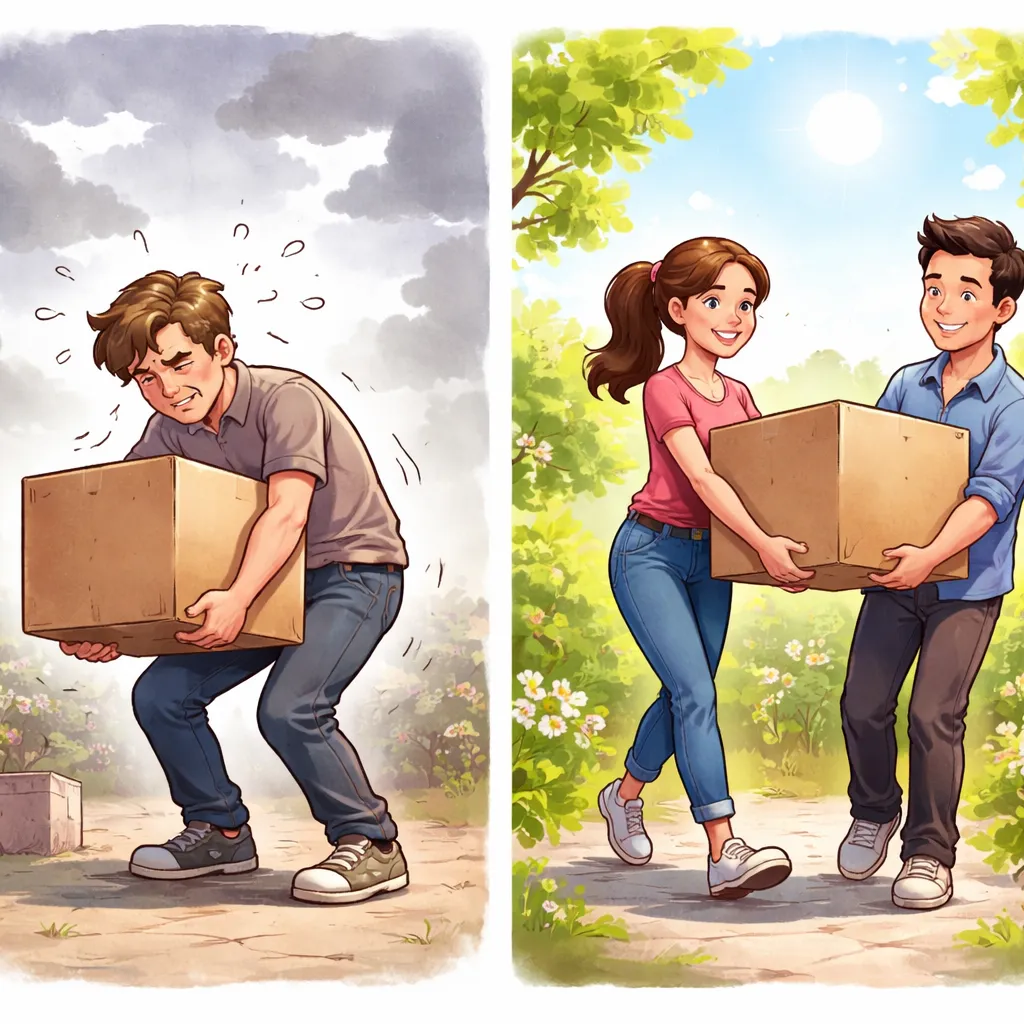
Children know when something is hard to lift. A backpack, a suitcase, a stack of books. Parents say “The box is heavy” or “The task feels burdensome.” ...
Read More
Children know when things stick to their fingers. Glue, tape, honey, a melted marshmallow. Parents say “Your hands are sticky” or “Use an adhesive ban ...
Read More
Children know when things are full of water. A raincoat, a sponge, a dropped cracker in juice. Parents say “Your sleeves are wet” or “The cereal is so ...
Read More
Children know when things feel dry. Sand, crackers, a thirsty mouth, an old book. Parents say “The towel is dry” or “The road is dusty.” Are “dry” and ...
Read More
Children love feeling fresh and comfortable. A breeze on a hot day, a sip of water, a shady tree. Parents say “The water is cool” or “The lemonade is ...
Read More
Children know what cold feels like. An ice cube, a winter wind, a glass of lemonade. Parents say “Your hands are cold” or “It is freezing outside.” Ar ...
Read More
Children know when something is very warm. A stove, a summer day, a fresh cookie. Parents say “The soup is hot” or “The sand is burning.” Are “hot” an ...
Read More