
Learning English can feel like a big adventure. Words change their shape. They take on new jobs. This is the magic of word families.
Today we explore one small family. The root word is “boil.” From it come “boiler,” “boiling,” and “boiled.”
These four words share a meaning. But each plays a different role. Let us discover them together.
What Does “Same Word, Different Forms” Mean?
A single idea can become many words. The idea here is heat. Heat in water. Heat that creates bubbles.
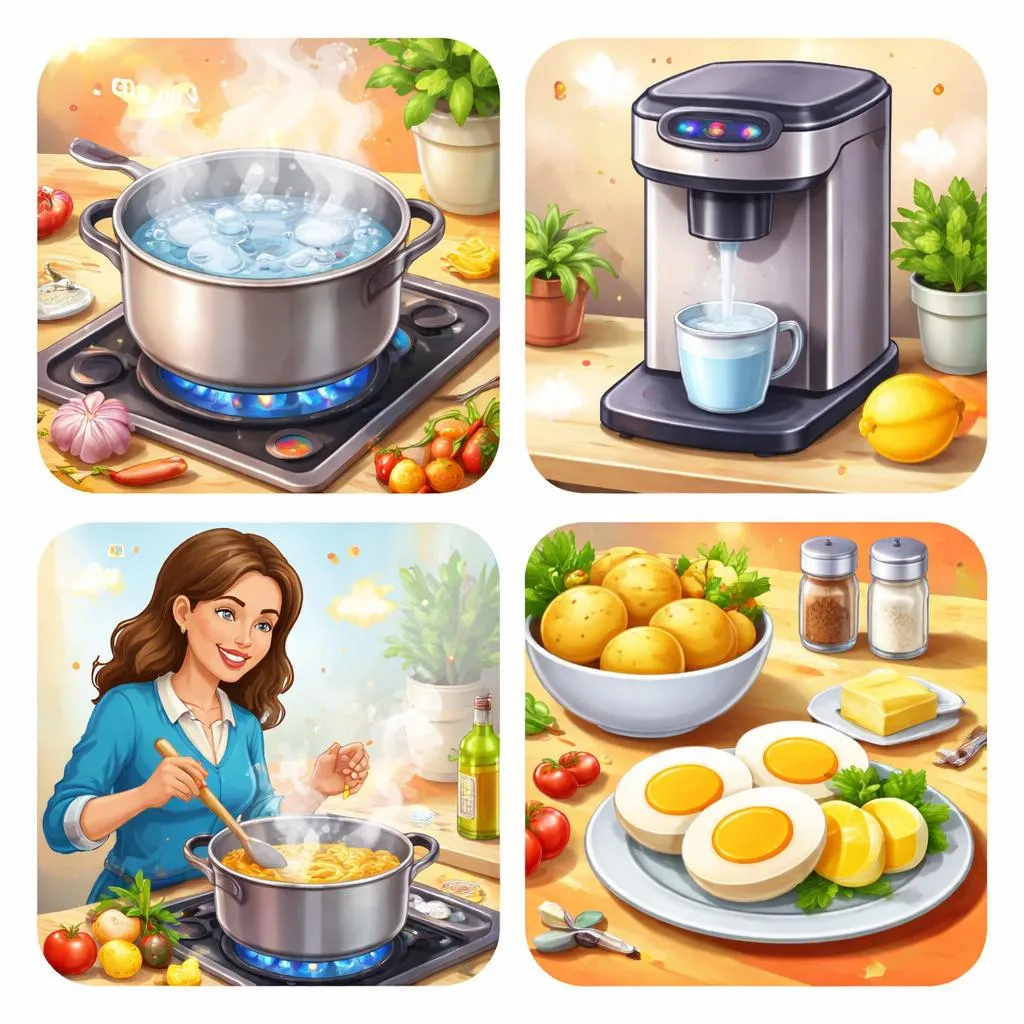
“Boil” is the action. “Boiler” is the thing. “Boiling” describes a process. “Boiled” shows a result.
This happens often in English. You change the ending. You change the job. The heart stays the same.
Think of it like dressing up. The same person wears different clothes. Each outfit fits a special occasion.
Personal Pronouns Change Their Form
Pronouns change too. “I” becomes “me.” “She” becomes “her.” Words follow similar rules.
But with “boil,” we do not change the person. We change the time or the role. We change if it is a thing or an action.
For example: “I boil water.” “The boiler heats my home.” See the difference?
Pronouns shift for grammar. Our four words shift for meaning. Both help us speak clearly.
From Verb to Noun to Adjective to Adverb – One Family, Many Words
“Boil” starts as a verb. Verbs show actions. You boil eggs. You boil soup. Action happens.
“Boiler” is a noun. Nouns name things. A boiler is a machine. It stands in your basement.
“Boiling” works as an adjective. Adjectives describe nouns. Boiling water is very hot water.
“Boiled” also works as an adjective. Boiled eggs are eggs after cooking. They are ready to eat.
This family has no adverb yet. But that is fine. Four members already help us a lot.
One Root, Many Roles – How Words Grow from Actions to Qualities
A root gives life. “Boil” comes from Latin “bullire.” It means to bubble. Bubbles rise in hot liquid.
From this root, we grow new words. Each word carries a bubble inside. Each word feels warm.
“Boiling” feels active now. The bubbles are rising. The water is hot.
“Boiled” feels finished. The bubbles have stopped. The cooking is done.
“Boiler” feels solid. It is a metal box. It holds heat for a long time.
Help your child see this growth. A seed becomes a plant. A verb becomes an adjective.
Same Meaning, Different Jobs – Is It a Verb or a Noun?
Ask this question often. Look at a sentence. Find the word “boil.” What does it do?
“Please boil the potatoes.” Here “boil” is a verb. It tells you to act.
“The boil on my skin hurts.” Here “boil” is a noun. It names a sore spot.
Same spelling. Same sound. Different job. Context gives the answer.
Now try “boiler.” Always a noun. No confusion. “Our boiler broke yesterday.” A machine.
“Boiling” is mostly an adjective. “Boiling hot tea.” Describing the tea.
“Boiled” is also an adjective. “Boiled carrots.” Describing the carrots after cooking.
Teach children to ask: What job does this word do? That job decides the form.
Adjectives and Adverbs – When Do We Add -ly?
We do not add -ly to these words. “Boilingly” exists but is rare. We skip it for now.
Focus on the two adjectives. “Boiling” and “boiled.” Both describe. But they describe different times.
“Boiling” describes right now. The water is boiling. Active. Hot. Bubbling.
“Boiled” describes after. The water has boiled. Finished. Cooled down. Ready.
This time difference matters. “Boiling pasta” cooks now. “Boiled pasta” sits in a bowl.
You can say “boiling mad.” That means very angry. No water there. Just strong feeling.
But for daily use, stick to heat. Boiling soup. Boiled chicken. Boiler room.
Watch Out for Tricky Spelling Changes (Double Letters, y to i, and More)
Spelling stays simple here. No double letters. No y to i changes.
“Boil” adds “-er” to make “boiler.” Just add. Easy.
“Boil” adds “-ing” to make “boiling.” Drop nothing. Keep the “i.” Very easy.
“Boil” adds “-ed” to make “boiled.” Also simple. No tricks.
Some verbs double the last letter. “Run” becomes “running.” Not here.
Some verbs change “y” to “i.” “Cry” becomes “cried.” Not here.
This family is kind to learners. Spelling matches sound. Sound matches rule.
Praise your child when they notice this. “Look, Mom, no extra letters!” That is good learning.
Let’s Practice – Can You Choose the Right Form?
Try these sentences together. Fill in the blank with one word: boil, boiler, boiling, boiled.
Please _____ the water for tea. (action needed)
The _____ makes a loud noise at night. (the machine)
Careful! The soup is _____ hot. (happening now)
We ate _____ potatoes for dinner. (already cooked)
A _____ egg is easy to peel. (finished cooking)
Our old _____ uses too much gas. (the device)
Answers: 1 boil, 2 boiler, 3 boiling, 4 boiled, 5 boiled, 6 boiler.
How did you do? If you made a mistake, look again. Each word has a clue.
“Boil” asks you to do something. “Boiler” is a thing you can touch. “Boiling” feels active. “Boiled” feels finished.
Practice with real objects. Boil water on the stove. Point to the boiler. Say “boiling” when you see bubbles. Say “boiled” after you turn off the heat.
Tips for Parents – Help Your Child Learn Word Families in a Fun Way
Make word learning a game. Write “boil” on a card. Then add “-er,” “-ing,” “-ed.”
Ask your child: What changes? What stays the same? The root stays. The meaning stays.
Cook together. Boil pasta. Talk about the steps. “Now the water is boiling. Now the pasta is boiled.”
Point at home appliances. Show the boiler. Say its name. Connect the word to a real object.
Draw a picture. A pot of boiling water. A boiler machine. A boiled egg. Label each one.
Use stickers for rewards. Every time your child uses the right form, give a sticker.
Read simple recipes. Recipes use “boil” a lot. “Boil for ten minutes.” “Add boiled vegetables.”
Do not correct every mistake. Instead, repeat the sentence correctly. “Oh, you said boil egg. We say boiled egg. Good try!”
Celebrate small wins. Learning word families takes time. Your patience builds their confidence.
Remember these four words. They are not scary. They are friends. Each friend has a job.
Tomorrow you will see “boil” in a recipe. You will see “boiler” in a manual. You will hear “boiling” on a weather report. You will eat “boiled” eggs for breakfast.
That is the beauty of English. One small seed grows into many useful words. Keep exploring. Keep asking questions. Your child will grow too.