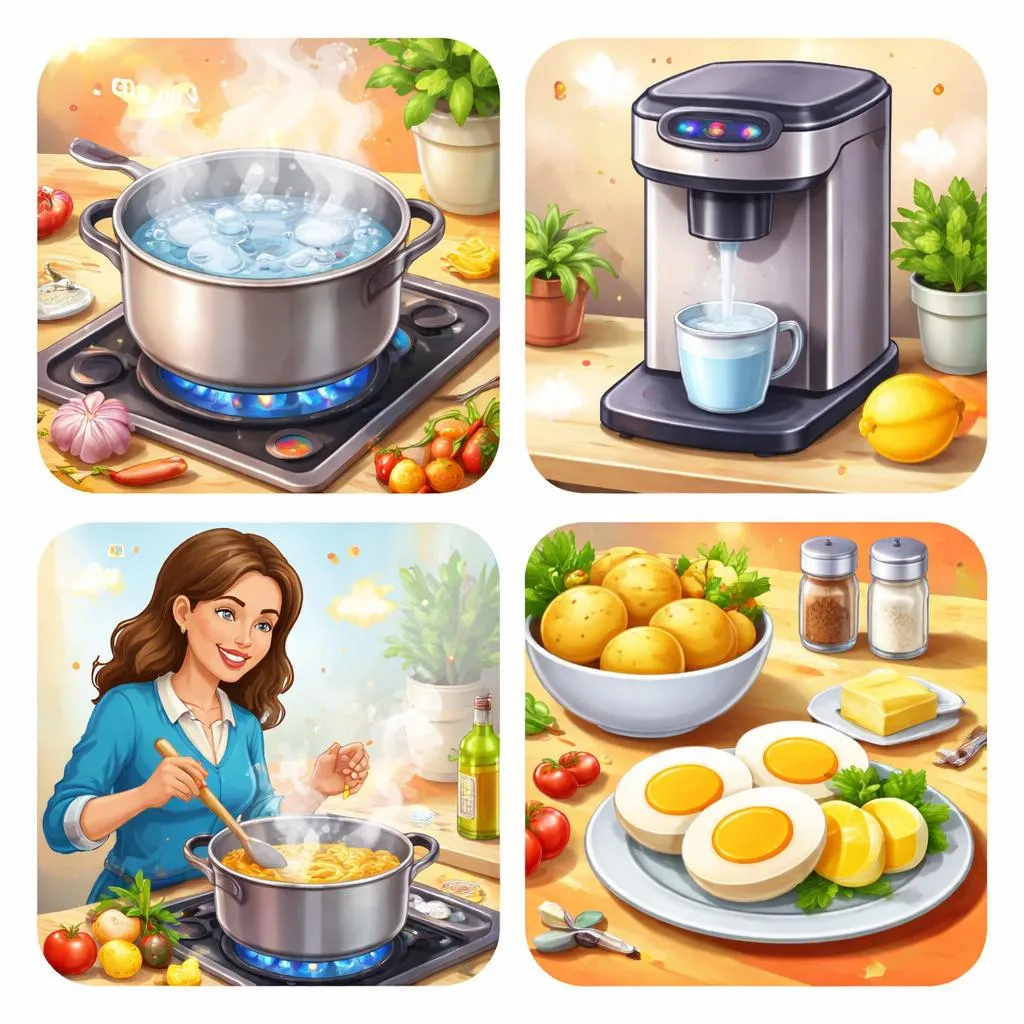
What Is the Difference Between Boil, Boiler, Boiling, and Boiled in Everyday English?
Learning English can feel like a big adventure. Words change their shape. They take on new jobs. This is the magic of word families.
Read MoreLearning English can feel like a big adventure. Words change their shape. They take on new jobs. This is the magic of word families.
Read More
Young children ask many questions. They ask about mountains, oceans, and the sky. These questions connect to geography and Earth. Parents can use this ...
Read More
Learning a new grammar concept can feel like solving a mystery. For an 8-year-old, understanding what happens "next" is a big step in their thinking. ...
Read More
Verb tenses tell us when actions happen. Past, present, and future – each time needs its own verb form. I walk, I walked, I will walk. These changes s ...
Read More
Adverbs add important details to sentences. They tell how, when, where, and how often actions happen. She ran quickly. He arrived yesterday. Put it he ...
Read More
Verbs are the engines of sentences. They show action or state of being. Without verbs, we cannot say what happens or what exists. Run, jump, think, fe ...
Read More
Pronouns are the words we use instead of nouns. He, she, it, they, me, him, her – these small words carry big meaning. They prevent repetition and mak ...
Read More
Nouns are the names of everything around us. People, places, things, and ideas all have nouns. By age eight, children need a rich vocabulary of nouns ...
Read More
Children learn early that some sentences sound right and others sound wrong. "The dog runs" sounds correct. "The dog run" sounds odd. This is subject- ...
Read More
Children love to share what they know and discover what others think. They say things like "I know what you did" or "Tell me why the sky is blue." The ...
Read More
Children love to describe things. They want to tell you about the dog that lives next door, the cookie that Grandma baked, or the friend who shares to ...
Read More
Every time your child speaks, they use independent clauses. These are complete thoughts that stand alone as sentences. "I want milk." "The dog is funn ...
Read More