
Children love the best things. The best toy. The best snack. The best friend. Two common words describe the highest quality. “Best” and “The finest.” Both mean “of the highest quality” or “number one.” But one is everyday speech. One is more elegant. Parents and kids can learn together. Finding the best is fun. The right words share your top choice with pride. Let us explore these two excellent expressions.
What Do These Expressions Mean? “Best” means “of the highest quality or most suitable.” It is the superlative of “good.” Nothing is better. It is number one. It is the most common way to say something is top.
For a child, think of a race with one winner. “Best” says “That runner is number one. Nobody is faster.”
“The finest” also means “of the highest quality.” But it adds a feeling of elegance, detail, and craftsmanship. “Fine” means delicate, high quality, or excellent. “The finest” suggests something special, often handmade or rare.
For a child, think of a beautiful drawing with tiny details. “The finest” says “This drawing is not just best. It is beautiful and carefully made.” Both phrases mean top quality. Both say “nothing better.” They seem similar because people use both to praise the best of something. Yet one is simple and common. One is elegant and specific.
What’s the Difference? The main difference is elegance. “Best” is simple and direct. You can use it for anything. Best cookie. Best game. Best day. “The finest” suggests elegance, luxury, or delicate quality. You would use it for art, food, materials, or manners.
Another difference is formality. “Best” is everyday speech. “The finest” sounds more formal or poetic. You see it in ads, reviews, or fancy descriptions.
One more difference is usage. “Best” can be an adjective, adverb, or noun. “The best cookie” (adjective). “She sings best” (adverb). “He is the best” (noun). “The finest” is usually an adjective. “The finest silk.” You rarely use it as an adverb.
Also, “finest” often pairs with specific nouns: silk, china, wine, art, detail. “Best” pairs with everything.
Teach children that both mean top quality. One is for everything. One is for elegant things.
When Do We Use Each One? Use “Best” for everyday top choices. “This is the best pizza ever.” “She is my best friend.” “Try your best.” “Best of all, we got free ice cream.”
Use “Best” for comparisons of anything. “Which one is best?” “I like the blue one best.” It is simple and clear.
Use “Best” in phrases. “Best wishes.” “Best in class.” “For the best.” Very common.
Use “The finest” for elegant or delicate things. “This is the finest silk scarf.” “She has the finest manners.” “The finest restaurants in the city.”
Use “The finest” for art or craftsmanship. “The finest details make the painting special.” “He creates the finest wooden toys.”
Use “The finest” in formal or advertising language. “We offer the finest quality products.” “The finest ingredients go into our bread.”
Parents can model both. Say “best” for everyday. Say “the finest” for elegant or special items.
Example Sentences for Kids Here are simple sentences children can say.
Best:
This is the best day of my life.
You are my best friend.
I tried my best on the test.
Which ice cream flavor is best?
Best of all, we get to stay up late.
The finest:
This restaurant uses the finest ingredients.
She drew the finest details on the butterfly’s wings.
My grandma owns the finest china dishes.
The finest sand feels like powder.
He gave me the finest compliment I ever heard.
Read these aloud. Notice how “best” works for anything. Notice how “the finest” sounds more elegant and specific.
Common Mistakes to Avoid Children make mistakes with these phrases. Here are common errors.
Mistake 1: Using “the finest” for everyday things. “This is the finest cracker” sounds too fancy for a cracker. Correct: Say “This is the best cracker.”
Mistake 2: Forgetting “the” before “finest” when used as an adjective before a noun. “Finest silk” is okay in headlines but “the finest silk” is better. Correct: Say “THE finest.”
Mistake 3: Using “best” without “the” for superlative. “She is best player” is wrong. You need “the best player.” Correct: Say “She is THE best player.”
Mistake 4: Confusing “best” with “better.” “This is the better of the two” is fine. “This is the best of all” for three or more. Correct: Use “best” for three or more items. Use “better” for two.
Mistake 5: Overusing “the finest.” If you say every toy is the finest, the word loses meaning. Correct: Save “the finest” for truly elegant, special things.
Easy Memory Tips Here are simple memory tricks.
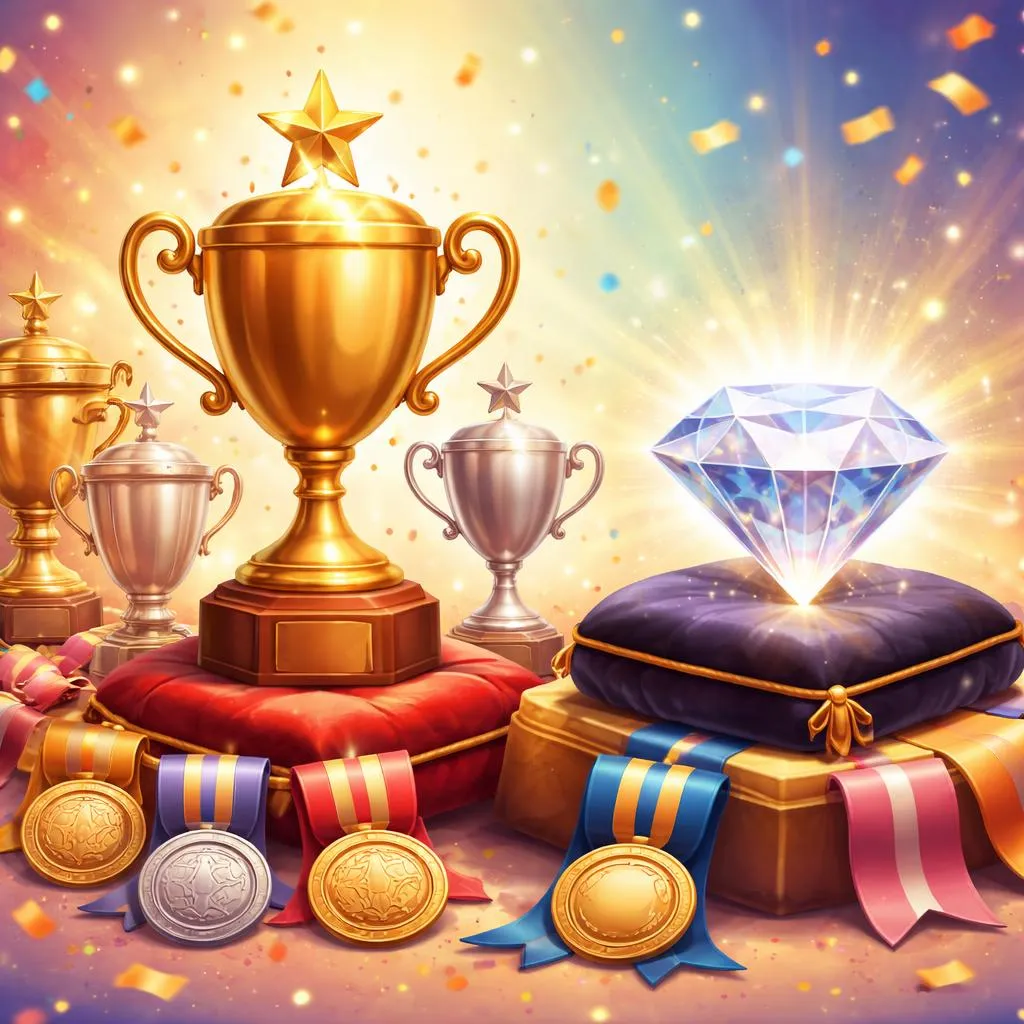
Memory tip 1: Think of a trophy and a velvet rope. “Best” is a trophy. Anyone can win it. “The finest” is a velvet rope. Fancy, exclusive.
Memory tip 2: Use your hands. Raise one hand high for “best” (number one). Make a delicate pinch with your fingers for “the finest” (elegant, detailed).
Memory tip 3: Ask “is this fancy?” If no, say “best.” If yes, say “the finest.”
Memory tip 4: Draw two pictures. A gold medal labeled “best.” A fancy necklace labeled “the finest.”
Memory tip 5: Use the “everyday or elegant” test. Everyday things = “best.” Elegant, delicate, rare things = “the finest.”
Practice these tips during awards. Best player. Finest drawing.
Quick Practice Time Try these exercises. Parents read aloud. Children answer.
Exercise 1: Choose the best phrase.
Your child wins a race. There are ten runners. Do you say: a) You are the best b) You are the finest
A restaurant serves very fancy food with beautiful presentation. Do you say: a) They use the best ingredients b) They use the finest ingredients
Your child asks which of three toys is number one. Do you say: a) This one is best b) This one is the finest
Answers: 1(a), 2(b — elegant food), 3(a — best is fine; “finest” is too fancy for a toy usually)
Exercise 2: Fill in the blank.
“You are the __________ big sister in the world.” (everyday, loving)
“The museum displays the __________ examples of ancient pottery.” (formal, elegant)
Answers: 1. best, 2. finest
Bonus: Play the “Best or Finest” game. Name an object. “A pencil.” “A wedding cake.” “A race car.” “A handmade quilt.” The child says “best” or “the finest.” Talk about why. A pencil can be best. A wedding cake can be the finest.
Wrap-up Use “best” for everyday top quality in any situation. Use “the finest” for elegant, delicate, or luxurious items, often in formal contexts. Both mean number one. One is simple and common. One is fancy and specific. Teach children that being the best at something is wonderful. Creating the finest details takes patience. Both are worth celebrating. You are the best at being you. And your finest qualities will shine through.