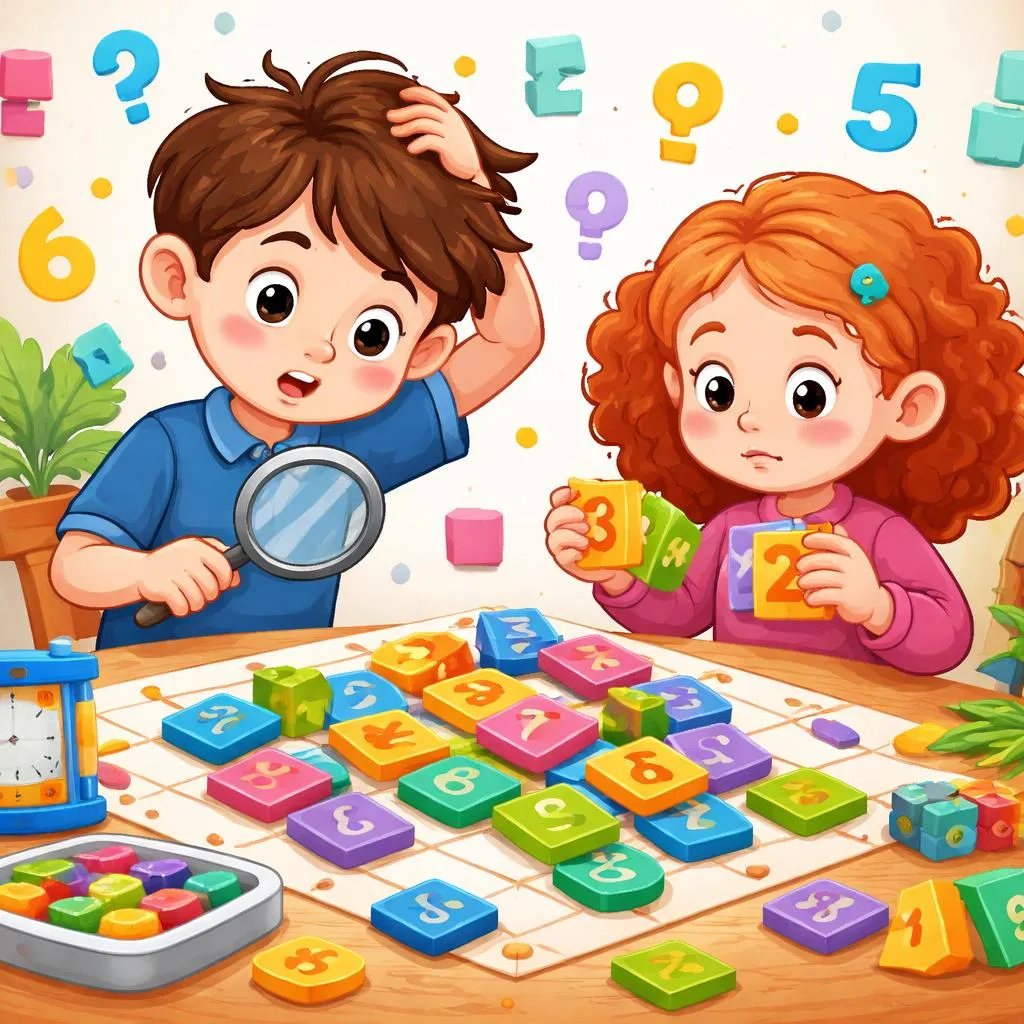

Sometimes there are not many things. A few crackers. Not many toys. Both phrases describe small numbers. But one word feels more positive. Two words feel more negative. Parents and kids can learn together. Describing small amounts helps children share honestly. The right words show if you are happy or sad about the number. Let us explore these two small-quantity expressions.
What Do These Expressions Mean? “Few” means “a small number of countable things.” It focuses on the smallness. It can sound neutral or slightly negative. “Few” often means “not as many as expected.”
For a child, think of three cookies on a big plate. “Few” says “That is a small number. I wish there were more.”
“Not many” also means “a small number.” It is more direct. It states the negative: the number is not large. It sounds more factual and less emotional.
For a child, think of two friends at a party. “Not many” says “The number is small. That is just a fact.” Both phrases mean small quantity. Both say “a little, not a lot.” They seem similar because people use both when the number is low. Yet one can sound disappointed. One sounds more neutral.
What’s the Difference? The main difference is feeling. “Few” often implies “too few” or “not enough.” It carries a slight negative feeling. “I have few friends” sounds lonely.
“Not many” is more neutral. It just states the fact. “Not many people came” is a simple observation.
Another difference is formality. “Few” sounds slightly more formal. You see it in writing. “Not many” sounds more conversational and everyday.
One more difference is placement. “Few” can be used without a noun. “Many tried, but few succeeded.” “Not many” needs a noun or to be followed by “people” or another word.
Also, “a few” (with “a”) means a small number but enough, and it is positive. “A few cookies” means some, enough. “Few” (without “a”) means almost none, not enough. That is a big difference.
Teach children that both mean small number. “Few” can sound disappointed. “Not many” sounds neutral.
When Do We Use Each One? Use “Few” for formal or written English. “Few students remembered the answer.” “There are few opportunities like this.” It sounds educated.
Use “Few” when you want to emphasize scarcity or lack. “He has few friends.” “Few people can do that.” It feels lonely or special.
Use “Few” without “a” to mean “almost none.” This is important. “Few people came” means almost nobody.
Use “Not many” in everyday conversation. “Not many kids like broccoli.” “There are not many cars on the road today.” It sounds natural.
Use “Not many” when you just want to state a fact without emotion. “Not many stores are open late.” No sadness. Just true.
Use “Not many” with “of” before pronouns. “Not many of us can swim.” “Not many of them finished.”
Parents can model both. Say “few” for disappointment or formal talk. Say “not many” for neutral facts.
Example Sentences for Kids Here are simple sentences children can say.
Few:
Few people came to the party because of the rain.
She has few toys at her grandma’s house.
Few birds stay here in winter.
I have few opportunities to see my cousin.
Few students finished the hard test.
Not many:
There are not many cookies left.
Not many kids in my class like spinach.
We saw not many fish in the pond.
Not many stores sell that toy.
There are not many clouds in the sky today.
Read these aloud. Notice how “few” can sound a little sad. Notice how “not many” just states a fact.
Common Mistakes to Avoid Children make mistakes with these phrases. Here are common errors.
Mistake 1: Confusing “few” with “a few.” “A few” means some. Positive. “I have a few friends” means I have some friends. Good. “Few” means almost none. Negative. “I have few friends” means I am lonely. Correct: Use “a few” for a small number that is enough. Use “few” for a small number that is not enough.
Mistake 2: Using “few” with uncountable nouns. “Few water” is wrong. Water cannot be counted. Correct: Say “little water” for uncountable small amounts.
Mistake 3: Using “not many” with uncountable nouns. “Not many water” is wrong. Correct: Say “not much water.”
Mistake 4: Forgetting “of” after “not many” before a pronoun. “Not many us” is wrong. Correct: Say “not many OF us.”
Mistake 5: Using “few” in positive everyday speech. “I have few homeworks” sounds formal and strange. Correct: Say “I don’t have much homework” or “a little homework.”
Easy Memory Tips Here are simple memory tricks.
Memory tip 1: Think of a frown and a flat face. “Few” comes with a small frown. Not enough. “Not many” is a flat face. Just a fact.
Memory tip 2: Use your hands. Hold up two fingers and frown for “few.” Hold up two fingers with a neutral face for “not many.”
Memory tip 3: Remember the “a.” “A few” = a small but okay number. “Few” (no a) = almost none, disappointing.
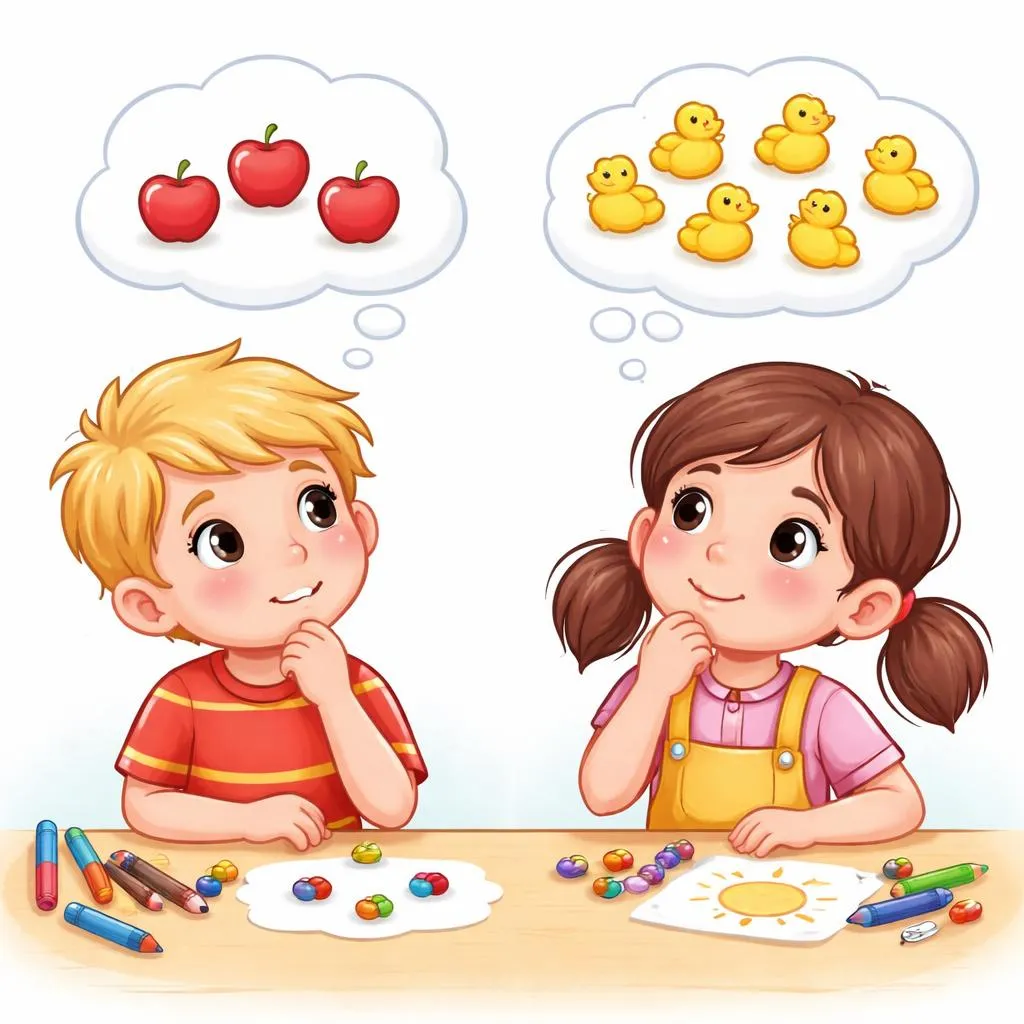
Memory tip 4: Draw two pictures. Three cookies on a large plate with a sad face = “few.” Three cookies on a large plate with a neutral face = “not many.”
Memory tip 5: Use the “enough” test. If the number is disappointing (not enough), say “few.” If the number is just small but fine, say “not many” or “a few.”
Practice these tips during snack time. Count small numbers. Talk about feelings.
Quick Practice Time Try these exercises. Parents read aloud. Children answer.
Exercise 1: Choose the best phrase.
You see three crackers on a plate. You wanted ten. You feel disappointed. Do you say: a) Few crackers b) Not many crackers
You see two birds in the yard. You are just observing. No feeling. Do you say: a) Few birds b) Not many birds
You have some friends. You feel happy with the number. Do you say: a) I have few friends b) I have a few friends
Answers: 1(a), 2(b), 3(b)
Exercise 2: Fill in the blank.
“__________ students finished the extra-credit assignment. The teacher was disappointed.” (disappointing small number)
“There are __________ apples left, but enough for one pie.” (small but okay number)
Answers: 1. Few, 2. a few (or not many)
Bonus: Play the “Sad or Neutral” game. Gather a small number of toys (2-3). Say “few” with a sad voice. Say “not many” with a neutral voice. Then add a few more toys (5-6). Say “a few” with a happy voice. Feel the difference in meaning and emotion.
Wrap-up Use “few” (without “a”) to mean a disappointingly small number, often in formal English. Use “not many” for a neutral, factual small number in everyday speech. Remember that “a few” means a small but okay number. Small numbers are fine. The right word shows how you feel about them. Whether few or not many, every number tells a story.