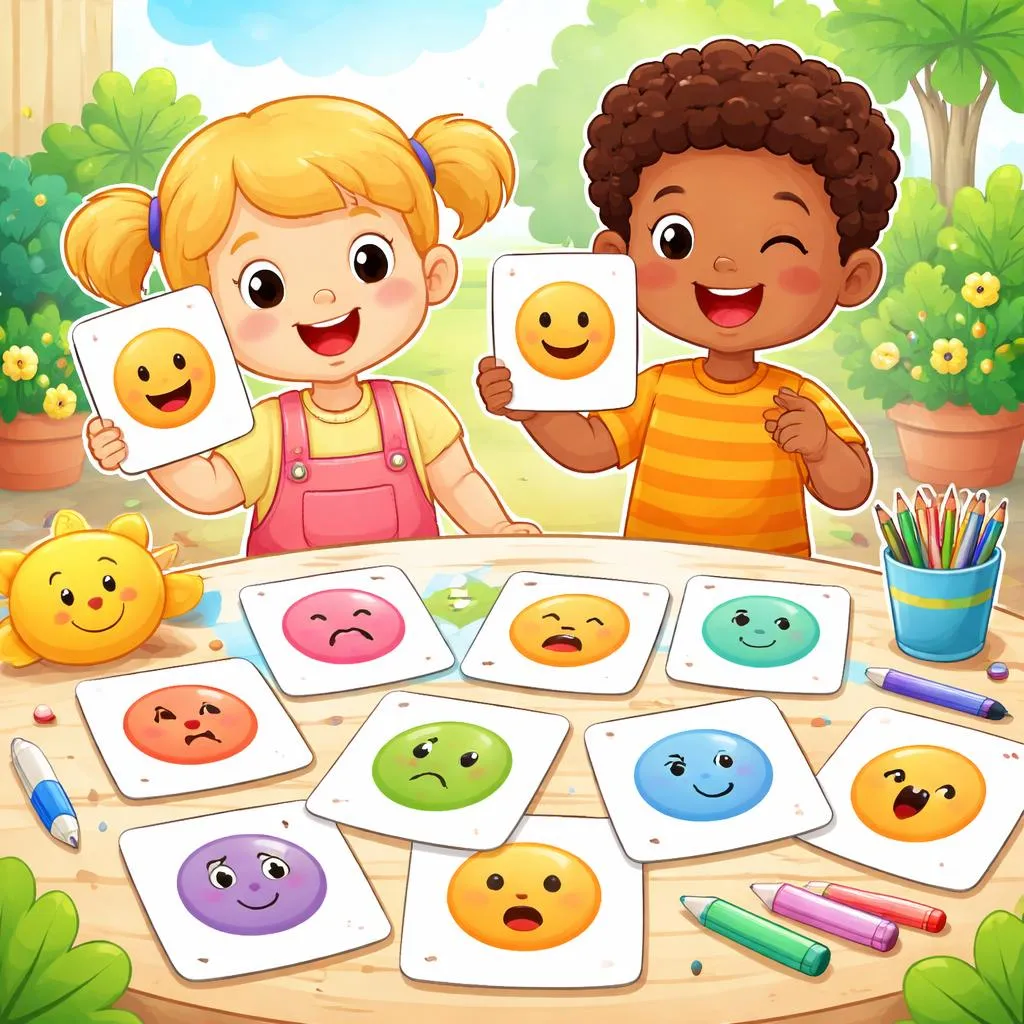

Children experience big feelings. Big joy. Big excitement. Big love. Two common phrases describe large amounts. “A lot” and “So much.” Both mean “a large quantity.” But one adds emotion. Parents and kids can learn together. Describing size and feeling helps others understand you. The right words share your full heart. Let us explore these two expressive phrases.
What Do These Expressions Mean? “A lot” means a large amount or degree. It is neutral. It just states a fact. The amount is big. Nothing more.
For a child, think of a full bucket of water. “A lot” says “This bucket holds much water. That is all.”
“So much” also means a large amount. But it adds strong feeling. “So” makes it emotional. It shows surprise, joy, or even frustration.
For a child, think of a bucket overflowing with bubbles. “So much” says “Look at all this! I feel something strong about it.” Both phrases describe large quantities. Both say “not a little.” They seem similar because people use both when something is big. Yet one is factual. The other is emotional.
What’s the Difference? The main difference is emotion. “A lot” is calm and factual. You use it to inform. No extra feeling.
“So much” is emotional and expressive. You use it to show how you feel about the amount.
Another difference is emphasis. “A lot” can follow verbs like “have,” “need,” “eat.” “I ate a lot.” Simple fact.
“So much” often follows feeling words. “I love you so much.” “I miss you so much.” The emotion makes it stronger.
One more difference is surprise. “A lot” expects the large amount. No surprise. “So much” often shows surprise. “There is so much food!” The speaker did not expect it.
Also, “so much” can work alone as an exclamation. “So much!” “A lot” cannot stand alone like that.
Teach children that both describe big things. One describes size. One describes size plus feeling.
When Do We Use Each One? Use “A lot” for facts. How many toys do you have? “A lot.” How much time until dinner? “A lot of time.” It is simple and clear.
Use “A lot” in school. “A lot of students like pizza.” “A lot of rain fell today.” Reports and data use “a lot.”
Use “A lot” when you want to stay calm. “I have a lot of homework.” No drama. Just a fact.
Use “So much” for feelings. “I love my dog so much.” This shares your heart. “I missed you so much while you were gone.”
Use “So much” to show surprise. “There is so much snow!” “You gave me so many presents!” The extra word shows wonder.
Use “So much” when you feel grateful. “Thank you so much.” This sounds warmer than “thank you a lot.”
Parents can model both. Say “a lot” for facts. Say “so much” for love and gratitude. Children learn the emotional difference.
Example Sentences for Kids Here are simple sentences children can say.
A lot:
I have a lot of crayons in my box.
A lot of kids came to the party.
My backpack weighs a lot.
I ate a lot of grapes.
A lot of time passed while we played.
So much:
I love you so much, Grandma.
Thank you so much for the gift.
There is so much mud on my shoes!
I have so much energy today.
You helped me so much with my project.
Read these aloud. Notice how “a lot” sounds calm and factual. Notice how “so much” sounds warm and excited.
Common Mistakes to Avoid Children often mix these phrases. Here are common errors.
Mistake 1: Using “so much” for boring facts. Example: “There are so much pencils on the desk.” This sounds strange. The amount is not exciting. Correct: Say “There are a lot of pencils on the desk.”
Mistake 2: Using “a lot” when feelings are strong. Example: “I love you a lot.” This sounds flat. Love deserves more warmth. Correct: Say “I love you so much.”
Mistake 3: Forgetting “so much” can show too much. Example: “I ate so much.” Sometimes this means “I ate too much and feel sick.” Correct: Be careful with tone. “So much” can mean a problem.
Mistake 4: Saying “a lots” or “so muchs.” Children add an S to “lot” or “much.” This is wrong. Correct: “A lot” never has an S. “So much” never has an S.
Mistake 5: Using “a lot” for uncountable things without thinking. “A lot of water” is correct. “So much water” is also correct. But “a lot of love” sounds less natural than “so much love.” Correct: Use “so much” for emotions and abstract things.
Easy Memory Tips Here are simple memory tricks.
Memory tip 1: Think of a measuring cup and a heart. “A lot” is a measuring cup. It tells you the amount. “So much” is a heart. It tells you the feeling.
Memory tip 2: Use your voice. Flat, normal voice = “a lot.” Warm, excited voice = “so much.”
Memory tip 3: Think about the word “so.” “So” means “very” or “to such a degree.” It adds intensity. “So much” = very much. “A lot” = much.
Memory tip 4: Draw two buckets. One bucket has a number 10 on it. Label it “a lot” (fact). One bucket has a smiling face on it. Label it “so much” (feeling).
Memory tip 5: Use the “thank you” test. If you say thank you, use “so much.” “Thank you so much” is warm. “Thank you a lot” is less common and less warm.
Practice these tips during family talks. Share facts with “a lot.” Share feelings with “so much.”
Quick Practice Time Try these exercises. Parents read aloud. Children answer.
Exercise 1: Choose the best phrase.
You want to tell your mom how many rocks you collected. You have 50 rocks. Do you say: a) A lot b) So much
You want to thank your dad for taking you to the park. You feel very happy. Do you say: a) Thank you a lot b) Thank you so much
You see a huge pile of leaves in the yard. You feel surprised and excited. Do you say: a) A lot of leaves b) So many leaves (or so much)
Answers: 1(a), 2(b), 3(b — because of surprise and excitement)
Exercise 2: Fill in the blank.
“I have __________ of homework tonight.” (calm fact)
“I love playing with you __________!” (warm feeling)
Answers: 1. a lot, 2. so much
Bonus: Play the “Fact or Feeling” game. Take turns saying a sentence with “a lot” or “so much.” The other person guesses if it is a fact or a feeling. Talk about why each choice fits.
Wrap-up Use “a lot” for calm facts about large amounts. Use “so much” when you add strong feelings like love, surprise, or gratitude. Both describe bigness. One describes the size. One describes the size plus the emotion in your heart.