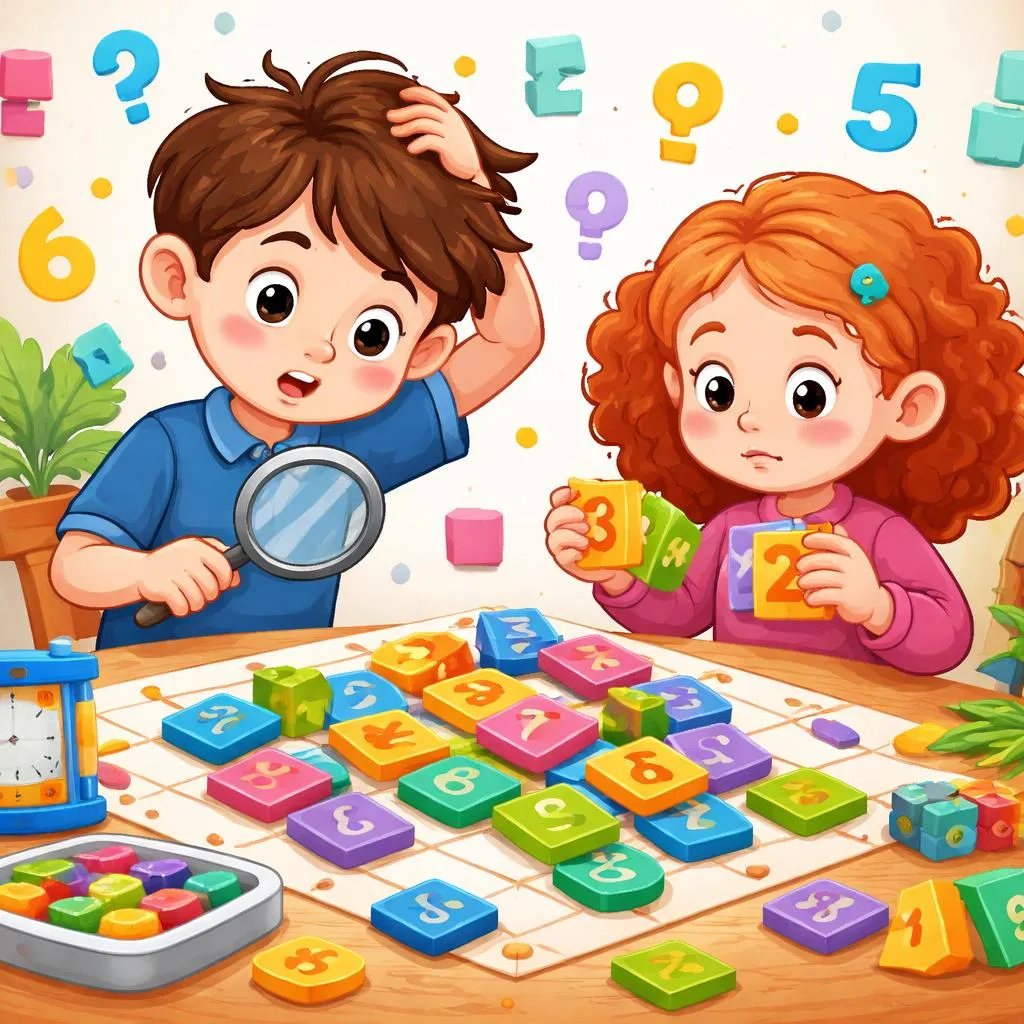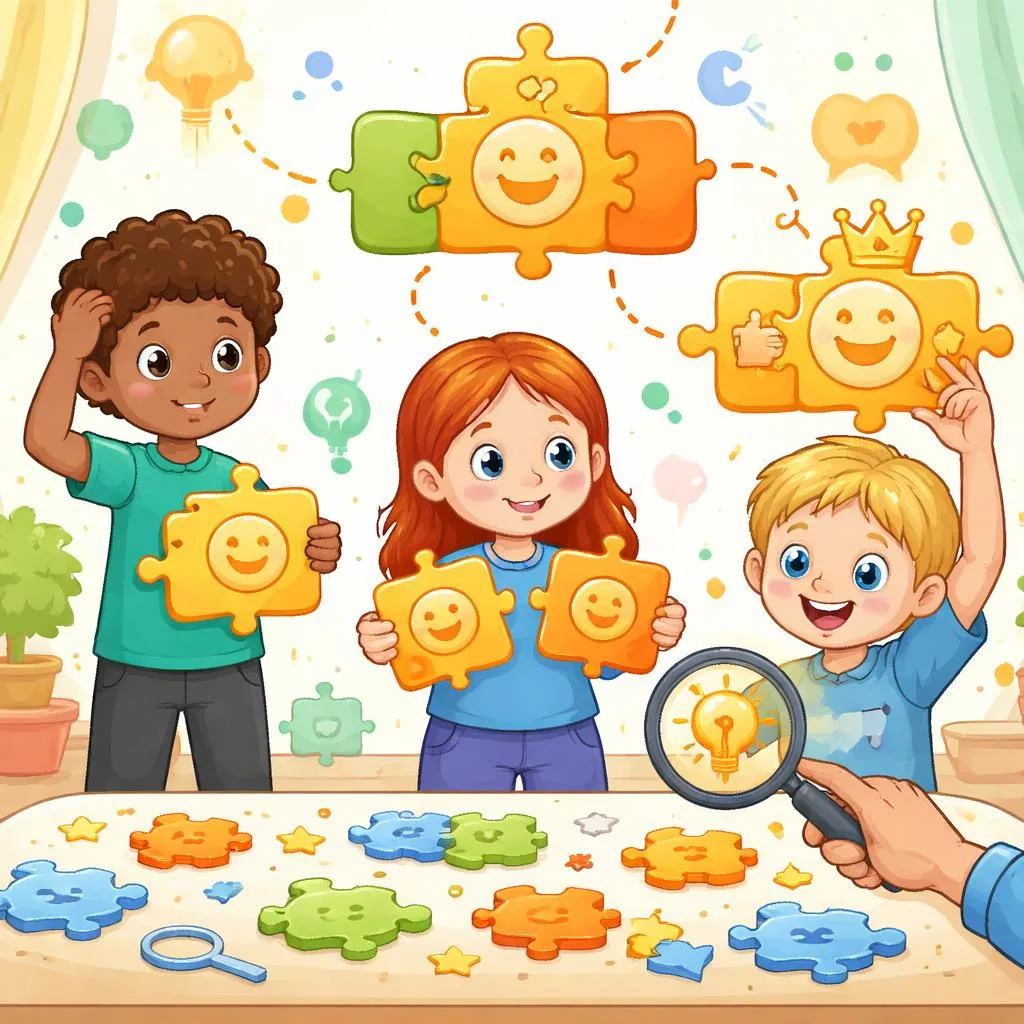

Children love to play. Board games, tag, make-believe. Two common phrases invite play. “Play a game” and “Have fun.” Both mean “enjoy an activity.” But one is specific. One is general. Parents and kids can learn together. Play is how children learn and grow. The right words tell a child what to do. Let us explore these two playful expressions.
What Do These Expressions Mean? “Play a game” means “participate in a structured activity with rules, goals, and often a winner or loser.” It is specific. A game has a start and an end.
For a child, think of Candy Land or checkers. “Play a game” says “Follow the rules. Take turns. Try to win.”
“Have fun” means “enjoy yourself in any activity.” It is general. It does not require a game. You can have fun reading, drawing, running, or just laughing.
For a child, think of splashing in puddles. “Have fun” says “Enjoy this moment. Do what makes you happy.” Both phrases are about enjoyment. Both say “do something you like.” They seem similar because people use both when children play. Yet one is about a specific structured activity. One is about any joyful experience.
What’s the Difference? The main difference is structure. “Play a game” means following rules. There is a right way and a wrong way. “Have fun” has no rules. Anything enjoyable counts.
Another difference is competition. Many games have winners and losers. Having fun does not need winning.
One more difference is instructions. To play a game, you need to know the rules. To have fun, you just need a joyful spirit.
Also, “play a game” is an activity. “Have fun” is a feeling. You can have fun without playing a game.
Teach children that both are good. One teaches rules and fairness. One teaches joy and creativity.
When Do We Use Each One? Use “Play a game” for structured play. “Let us play a board game.” “Do you want to play a card game?” “The children played a game of tag.”
Use “Play a game” when there are rules. “Let us play a game of hide and seek.”
Use “Play a game” for competition. “We played a game of soccer.”
Use “Have fun” for general enjoyment. “Go outside and have fun.” “Have fun at the party.” “I hope you have fun on your trip.”
Use “Have fun” when the activity is open-ended. “Play with your LEGOs and have fun.” “Have fun drawing.”
Use “Have fun” as a goodbye. “Have fun at school today.” It is a warm wish.
Parents can model both. Say “play a game” for structured activities. Say “have fun” for general enjoyment.
Example Sentences for Kids Here are simple sentences children can say.
Play a game:
Let us play a game of checkers.
I want to play a game on the tablet.
They played a game of tag in the yard.
Can we play a game with dice?
He won the game we played.
Have fun:
Have fun at your friend’s house.
We had fun at the playground.
Just have fun. Do not worry about winning.
She had fun painting a picture.
Have fun and be safe.
Read these aloud. Notice how “play a game” is for a specific activity with rules. Notice how “have fun” is for any joyful experience.
Common Mistakes to Avoid Children make mistakes with these phrases. Here are common errors.
Mistake 1: Saying “play a game” for everything. “Let us play a game of drawing” sounds odd. Drawing is not a game. Correct: Say “Let us draw and have fun.”
Mistake 2: Saying “have fun” for competitive play. “Have fun at your chess match” is fine. But “play a good game” is better. Correct: Both work. “Play a good game” is more specific.
Mistake 3: Forgetting that not all fun is a game. Reading is fun but not a game. Correct: Enjoy all kinds of fun.
Mistake 4: Thinking winning is the only fun. You can have fun even if you lose a game. Correct: The goal is fun, not just winning.
Mistake 5: Not playing fair. Games need rules and fairness. Without fairness, it is not fun. Correct: Play fair. Follow the rules. Have fun.
Easy Memory Tips Here are simple memory tricks.
Memory tip 1: Think of a rulebook and a smile. “Play a game” has a rulebook. Structure. “Have fun” is a smile. Open, free.
Memory tip 2: Use your hands. Hold up a game piece for “play a game.” Make a happy face with your hands for “have fun.”
Memory tip 3: Ask “are there rules?” Yes = “play a game.” No = “have fun.”
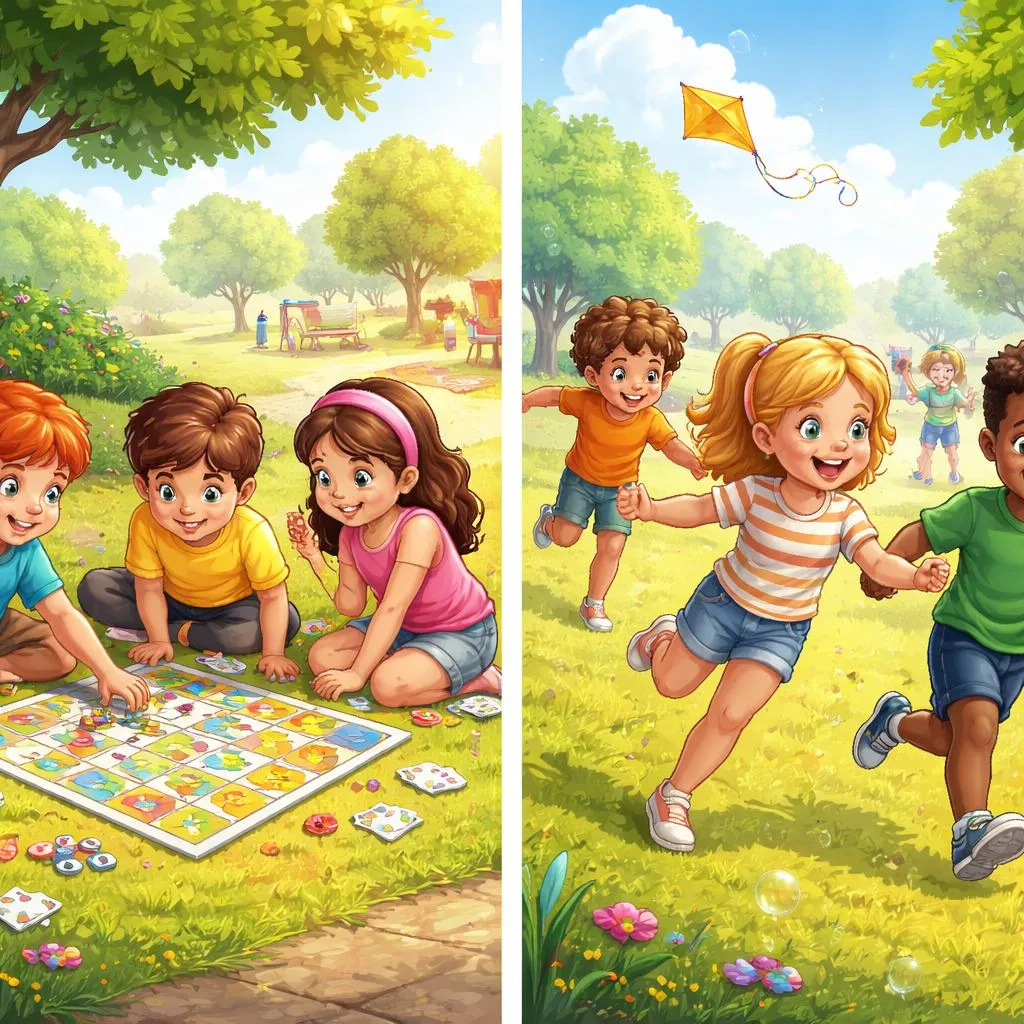
Memory tip 4: Draw two pictures. Children sitting at a board game = “play a game.” Children running and laughing = “have fun.”
Memory tip 5: Use the “competition” test. If there is a winner, it is a game. If there is no winner, it is just fun.
Practice these tips during playtime. Name the activity.
Quick Practice Time Try these exercises. Parents read aloud. Children answer.
Exercise 1: Choose the best phrase.
Your child is about to play Monopoly with a friend. Do you say: a) Play a game b) Have fun
Your child is going to the playground to swing and slide. Do you say: a) Play a game b) Have fun
Your child is playing a soccer match. Do you say: a) Have a good game b) Have fun
Answers: 1(a), 2(b), 3(a or b — both fine)
Exercise 2: Fill in the blank.
“Let us __________ of cards.” (structured, rules)
“Go outside and __________.” (general enjoyment)
Answers: 1. play a game, 2. have fun
Bonus: Play the “Game or Fun” game. Name an activity. “Checkers.” “Running in the yard.” “Hide and seek.” “Building a sandcastle.” “Reading a book.” The child says “play a game” (rules, structure) or “have fun” (general, no rules). Discuss why.
Wrap-up Use “play a game” for structured activities with rules, often competitive, like board games, card games, or tag. Use “have fun” for any joyful experience, from playing to drawing to just laughing with friends. Both are about happiness. One has rules. One is free. Teach children that games teach fairness, patience, and good sportsmanship. Fun teaches joy, creativity, and connection. Play a game with your family. Have fun every day. Life is a balance of rules and joy. Now go play. And have fun. That is the most important rule of all.