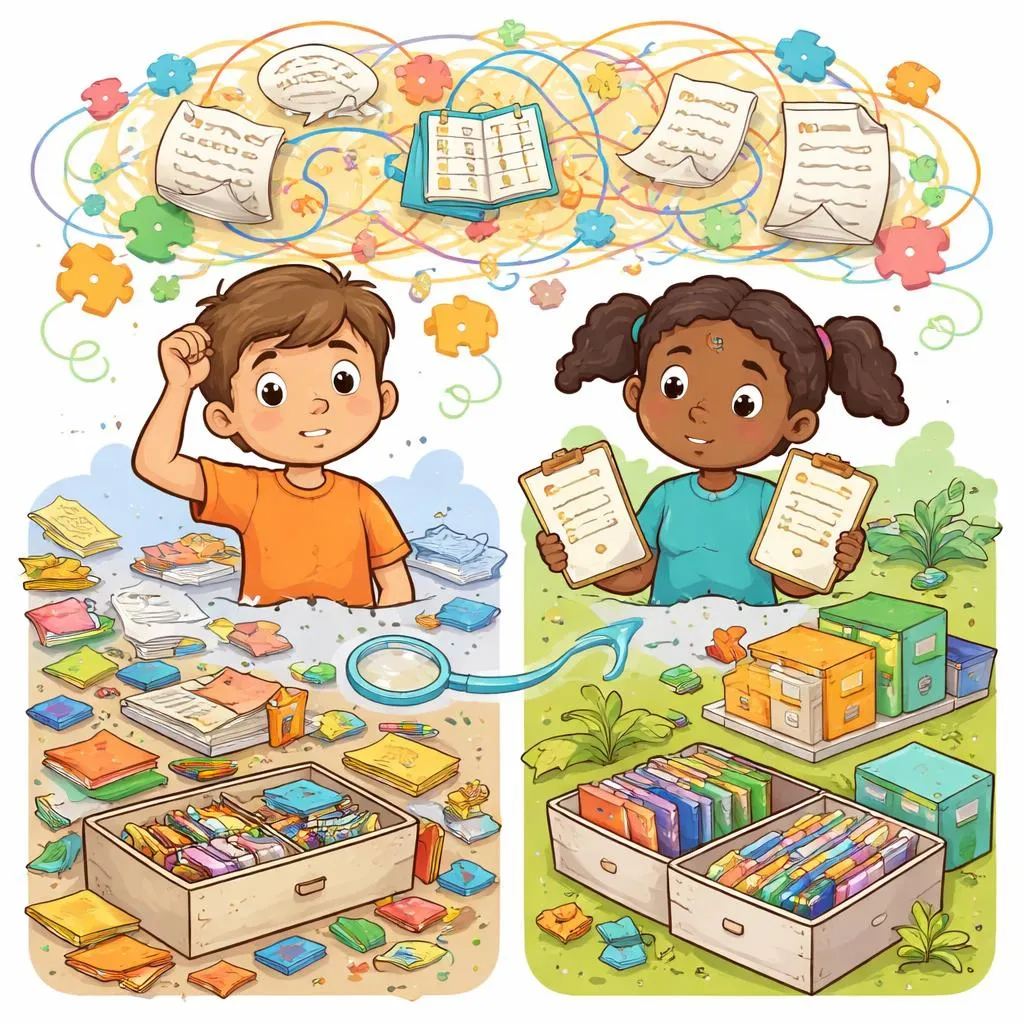

Things go missing. A glove. A library book. A favorite toy. Two common words describe not knowing where something is. “Lose it” and “Misplace it.” Both mean “cannot find something.” But one means gone forever or long-term. One means temporary, probably still nearby. Parents and kids can learn together. Losing things teaches responsibility. The right words describe how serious the situation is. Let us explore these two missing expressions.
What Do These Expressions Mean? “Lose it” means “cannot find something and may never find it again.” It is permanent or serious. You lose something for a long time or forever.
For a child, think of dropping a coin in a sewer. “Lose it” says “That coin is gone. You will not get it back.”
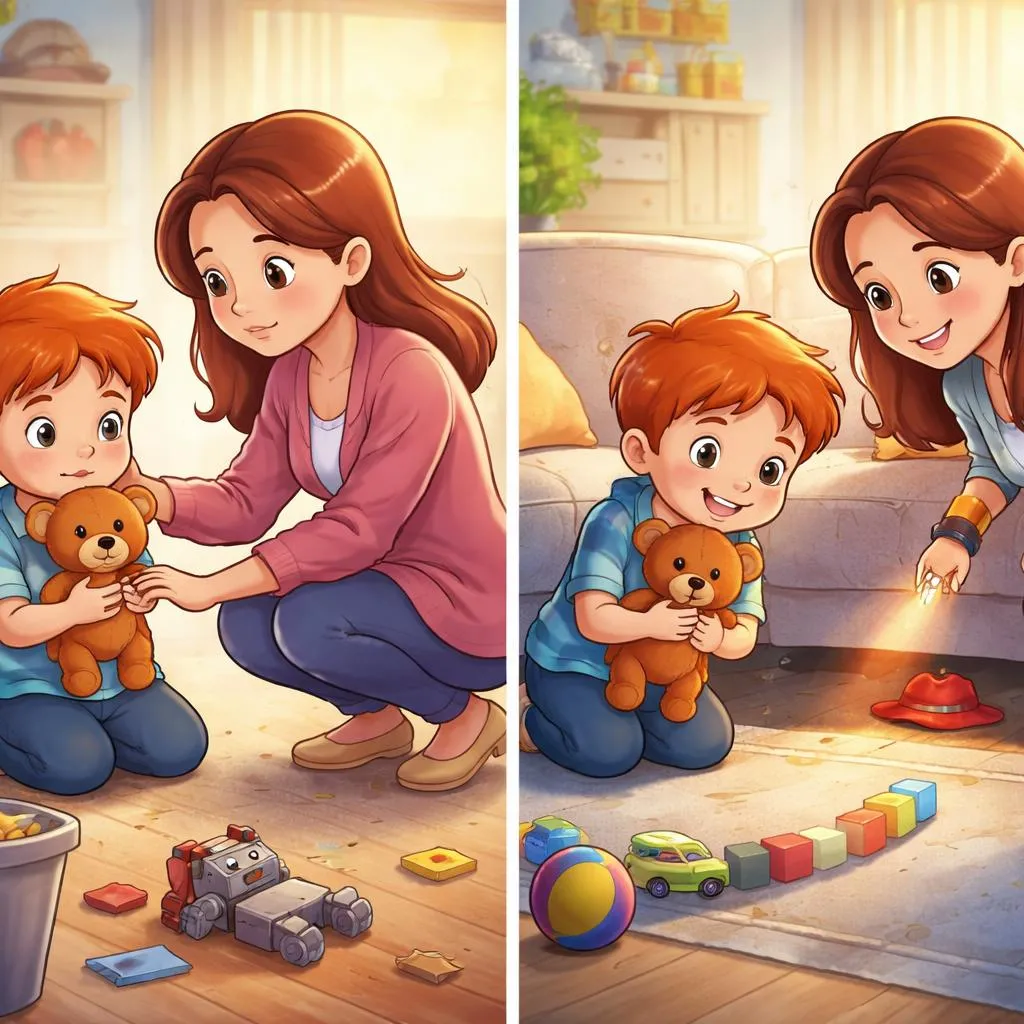
“Misplace it” means “put something in the wrong place and cannot find it right now.” It is temporary. The thing is probably nearby. You just forgot where you put it.
For a child, think of putting your glasses on your head and then looking for them. “Misplace it” says “You put it somewhere silly. It will turn up soon.” Both phrases mean you cannot find something. Both say “where is it?” They seem similar because people use both when something is missing. Yet one means gone. One means just hiding nearby.
What’s the Difference? The main difference is permanence. “Lose it” suggests permanent loss. You may never see it again. “Misplace it” suggests temporary loss. You will probably find it soon.
Another difference is blame. “Lose it” sounds more serious. “You lost your new watch” means you were careless. “Misplace it” sounds gentler. “I misplaced my keys” means I just forgot where I put them.
One more difference is emotional weight. “Lose it” can cause sadness or panic. “Misplace it” is annoying but not tragic.
Also, “lose” can mean not winning. “Misplace” cannot.
Teach children that both mean missing. One is forever. One is just for now.
When Do We Use Each One? Use “Lose it” for important or permanent things. “I lost my wedding ring.” “He lost his wallet on vacation.” “Do not lose your library card.” It sounds serious.
Use “Lose it” for things that are gone. “She lost her favorite doll at the airport.” It likely will not come back.
Use “Lose it” in warnings. “Do not lose your house key.”
Use “Misplace it” for everyday small mistakes. “I misplaced my phone. Oh, it is on the couch.” “She misplaced her glasses. They were on her head.”
Use “Misplace it” when you expect to find it soon. “I will find it. I just misplaced it.”
Use “Misplace it” to be gentle when reminding a child. “You misplaced your shoe. Let us look together.”
Parents can model both. Say “lose” for serious or permanent loss. Say “misplace” for temporary, forgetful moments.
Example Sentences for Kids Here are simple sentences children can say.
Lose it:
Do not lose your new mittens.
I lost my favorite stuffed animal at the hotel.
If you lose your library book, you have to pay for it.
He lost his money somewhere on the playground.
She lost her bracelet. She is very sad.
Misplace it:
I misplaced my pencil. Oh, it is under my desk.
She often misplaces her hairbrush.
Do not worry. You just misplaced it. It will show up.
He misplaced his homework but found it in his backpack.
I think I misplaced my keys. They are probably in my coat pocket.
Read these aloud. Notice how “lose it” sounds serious. Notice how “misplace it” sounds temporary and less scary.
Common Mistakes to Avoid Children make mistakes with these words. Here are common errors.
Mistake 1: Saying “I lost it” for something you just misplaced. “I lost my pencil” when it is under your notebook sounds dramatic. Correct: Say “I misplaced my pencil” or “I cannot find my pencil right now.”
Mistake 2: Saying “I misplaced it” for something truly gone. “I misplaced my wallet” sounds too light if the wallet is lost forever. Correct: Say “I lost my wallet” if it is serious.
Mistake 3: Forgetting that “lose” has a different meaning in games. “Our team lost the game” means did not win. Not about missing things. Correct: Teach both meanings.
Mistake 4: Using “misplace” for things you never had. “I misplaced a million dollars” is silly if you never had it. Correct: Use “misplace” only for things you owned.
Mistake 5: Not looking before saying “I lost it.” Children often say “I lost it” too quickly. Then it appears. Correct: Look carefully first. Then say “I cannot find it” or “I think I lost it.”
Easy Memory Tips Here are simple memory tricks.
Memory tip 1: Think of a black hole and a couch cushion. “Lose it” is a black hole. Gone forever. “Misplace it” is a couch cushion. It is hiding nearby.
Memory tip 2: Use your hands. Wave your hand away for “lose it” (gone). Pat your pockets for “misplace it” (nearby, forgotten).
Memory tip 3: Ask “will it turn up soon?” If yes, say “misplace it.” If no, say “lose it.”
Memory tip 4: Draw two pictures. A sad child with an empty hand = “lose it.” A child scratching their head looking around = “misplace it.”
Memory tip 5: Use the “search time” test. If you search for 10 minutes and find it, you misplaced it. If you search for days and never find it, you lost it.
Practice these tips during lost-and-found moments at home.
Quick Practice Time Try these exercises. Parents read aloud. Children answer.
Exercise 1: Choose the best phrase.
Your child cannot find their pencil. It is probably in their desk. Do you say: a) You lost it b) You misplaced it
Your child left their jacket at the park yesterday. You went back and it was gone. Do you say: a) You lost your jacket b) You misplaced your jacket
Your child cannot find their shoes. They are by the door under a bag. Do you say: a) You lost them b) You misplaced them
Answers: 1(b), 2(a), 3(b)
Exercise 2: Fill in the blank.
“Please do not __________ your new hat. It was a gift.” (serious, permanent)
“I __________ my phone. Oh wait, it is in my hand.” (temporary, forgetful)
Answers: 1. lose, 2. misplaced
Bonus: Play the “Lost or Misplaced” game. Hide a small object. Look for it. If you find it in under a minute, say “I misplaced it.” If you cannot find it after a long time (pretend), say “I lost it.” Discuss the difference in feeling.
Wrap-up Use “lose it” when something is gone permanently or seriously lost, likely never to return. Use “misplace it” for temporary, forgetful moments when the thing is probably nearby. Both mean you cannot find something. One is final and sad. One is just a small forgetful moment. Teach children that losing things happens. Misplacing things happens more often. The key is to slow down, put things in their place, and look carefully before saying “I lost it.” Most of the time, you just misplaced it. And that is good news. Keep looking. It will turn up.