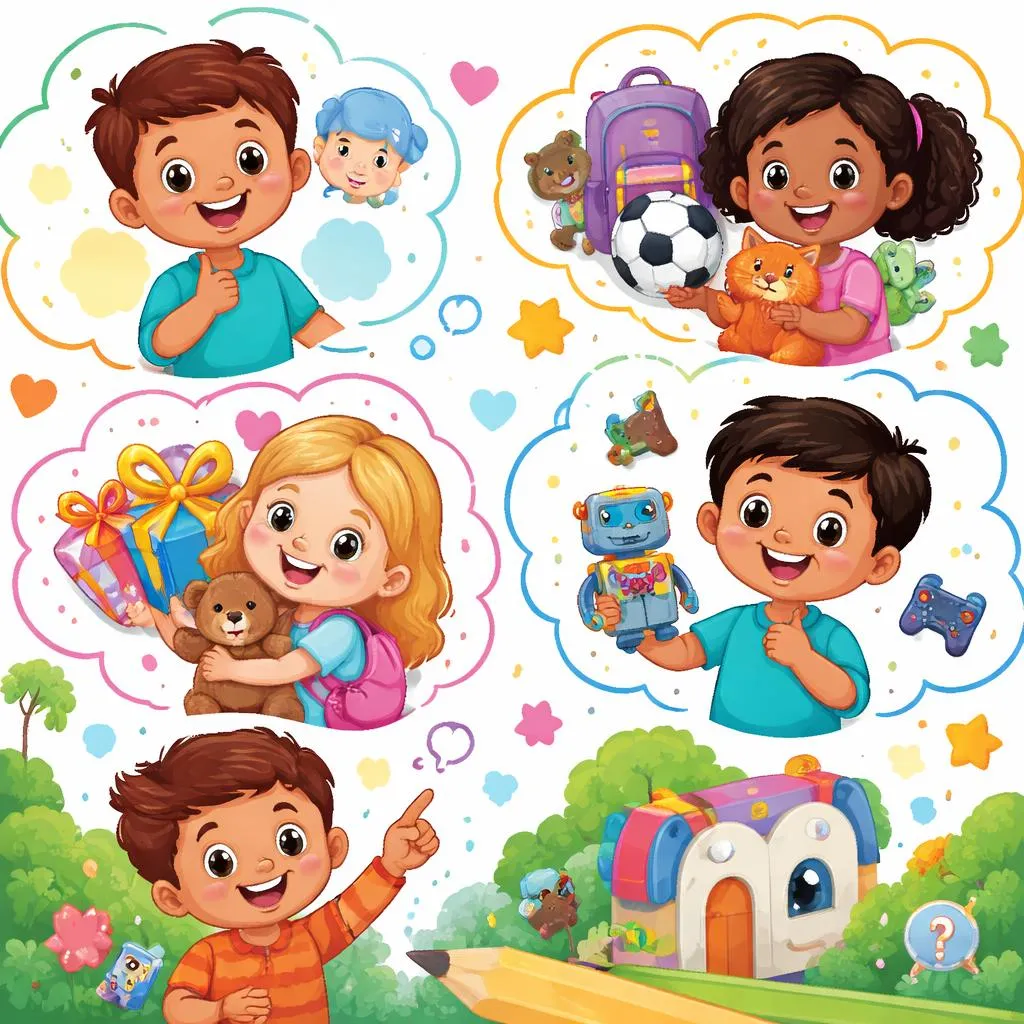

What Does “Same Word, Different Forms” Mean? Words change their shape. This happens often in English. The word “I” has four common forms. These are “I, my, me, and mine.” Each form has a different job. But the meaning stays close to “me or myself.” Think of them as a family. Each member looks a little different. But they all belong together.
Personal Pronouns Change Their Form “I, my, me, mine” are personal pronouns. Personal pronouns replace a person’s name. In this case, the person is yourself. You use “I” when you do something. Example: “I play outside.” You use “me” when something happens to you. Example: “Mom calls me.” You use “my” to show something belongs to you. Example: “This is my book.” You use “mine” alone to mean “my thing.” Example: “That book is mine.”
: From Verb to Noun to Adjective to Adverb – One Family, Many Words Wait – are “I, my, me, mine” verbs or nouns? No, they are pronouns. But the idea is the same. One root word grows into different forms. The root here is the self. “I” is the subject form. “My” is the possessive adjective. “Me” is the object form. “Mine” is the possessive pronoun. Each one plays a unique role. Together, they help you speak clearly.
: One Root, Many Roles – How Words Grow from Actions to Qualities Think of “I” as the main actor. “I run fast.” Think of “my” as a label. “That is my hat.” Think of “me” as the receiver. “She helped me.” Think of “mine” as the answer. “Whose bag is this? It is mine.” The role changes with each word. But the person stays the same. That person is you.
: Same Meaning, Different Jobs – Is It a Verb or a Noun? Pronouns are not verbs or nouns. But they follow a similar rule. The meaning stays. The job changes. “I” works as a subject. “My” works as a describer. “Me” works as an object. “Mine” works as a replacement for a noun. This is like how “run” can be a verb. And “runner” can be a noun. Same family, different jobs.
: Adjectives and Adverbs – When Do We Add -ly? This part is different for pronouns. “I, my, me, mine” do not add -ly. But the pattern of change is the same. Adjectives become adverbs with -ly. Example: quick becomes quickly. Pronouns change by form, not by adding letters. Still, the lesson is valuable. Words shift to fit sentence needs. Learning one form helps you guess others.
: Watch Out for Tricky Spelling Changes (Double Letters, y to i, and More) “I, my, me, mine” do not have tricky spelling. But young learners often confuse them. “My” and “mine” both show ownership. Use “my” before a noun. “My toy.” Use “mine” after a verb or alone. “That toy is mine.” “Me” and “I” cause the most trouble. Use “I” as the doer. Use “me” as the receiver. A simple trick: remove the other person. “John and I went to the park.” Remove “John and” – “I went to the park.” “She gave John and me a gift.” Remove “John and” – “She gave me a gift.” This trick works every time.
: Let’s Practice – Can You Choose the Right Form? Try these sentences with your child. Fill in the blank with I, my, me, or mine.
_______ like to draw pictures.
That blue pencil is _______.
Please give _______ the crayon.
_______ mom reads stories at night.
Can you help _______ with this puzzle?
_______ sister and _______ play together.
Is this cookie _______?
_______ made this card for you.
Answers:
I
mine
me
My
me
My, I
mine
I
Go through each answer slowly. Explain why the form fits. Praise small wins. This builds confidence.
: Tips for Parents – Help Your Child Learn Word Families in a Fun Way Do not drill grammar rules at home. Use games and daily talk instead.
Point to objects and say “my cup.” Then ask “Whose cup is this?” Let your child say “mine.”
During play, say “I will go first.” Then ask “What will you do?” Let your child start with “I.”
While sharing snacks, say “Give me the apple.” Then let your child say “Give me the cracker.”
Read picture books together. Pause at “I, my, me, mine.” Ask “Which word is that?” Let your child point.
Make a simple poster. Write each word in a different color. Add a small drawing for each.
Use stuffed animals. Have one bear say “This is my hat.” Have another bear say “No, it is mine.”
Keep it light and short. Five minutes a day is enough. Children learn through repetition. They also learn through fun. Mix both, and they will remember.
You do not need to be a teacher. You only need to talk and play. Every small conversation helps. Soon, your child will use “I, my, me, mine” without thinking.
That is the real goal. Not perfect grammar. But clear, happy communication. And you will see it happen naturally.