
Children hear small accidents every day. A dropped cookie. A misspelled word. A bumped elbow. How we respond teaches kindness. Two English phrases help in these moments. “It doesn’t matter” and “That’s nothing.” They sound alike. But they send different messages. Parents and kids can learn together. Let us explore when to use each one.
What Do These Expressions Mean? “It doesn’t matter” means something is not important. You say it when a small problem occurs. The message is: “Do not worry. This is not a big deal.”
For a child, think of a tiny rain cloud. The rain falls. But it does not ruin the day. “It doesn’t matter” tells everyone to stay calm.
“That’s nothing” also reduces worry. But it focuses on the size of the issue. It means: “What happened is very small. Almost zero.”
For a child, think of a single drop of water. Not a spill. Just a drop. “That’s nothing” says there is almost no problem at all.
Both phrases seem similar because they make problems smaller. Both comfort people. Both stop arguments. Yet one is softer. The other is more direct. Understanding the difference helps children speak with care.
What’s the Difference? The main difference is tone. “It doesn’t matter” sounds gentle. It works when someone feels sad or embarrassed. You use it to protect feelings.
“That’s nothing” sounds stronger. It works when the problem is truly tiny. Use it to show strength. But be careful. It can sound like bragging.
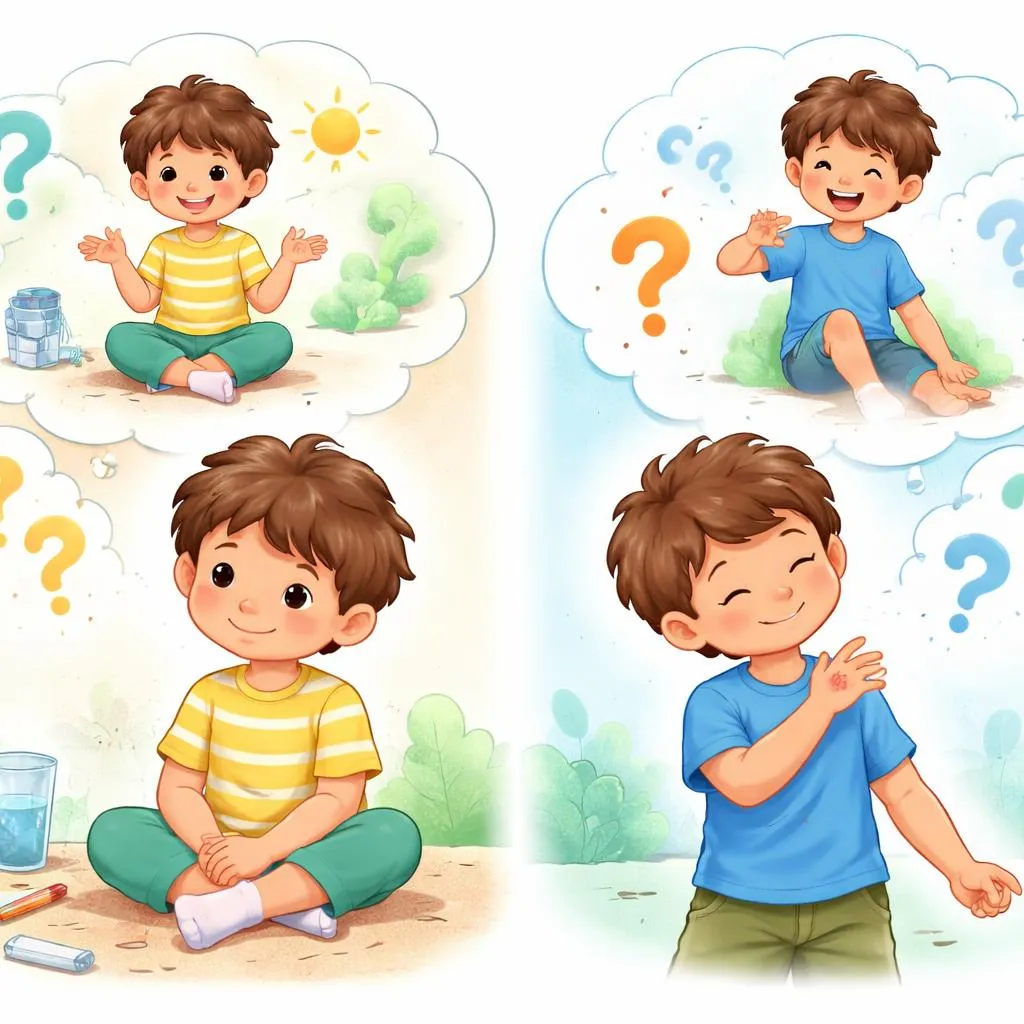
Another difference is who benefits. “It doesn’t matter” often helps another person. Example: A child says sorry for breaking a crayon. You say “It doesn’t matter” to make them feel better.
“That’s nothing” often refers to yourself. Example: A child falls and cries. You say “That’s nothing” to show you are fine. It is less about others.
One more difference is formality. “It doesn’t matter” fits almost any situation. Home. School. Playground. “That’s nothing” feels more casual. Friends use it. Family uses it. But in a formal setting, “It’s not a problem” works better.
Also, tone of voice changes meaning. A soft “It doesn’t matter” comforts. A flat “That’s nothing” can sound cold. Children need to learn warmth with both phrases.
When Do We Use Each One? Use “It doesn’t matter” when someone makes a mistake. A friend spills water. Say “It doesn’t matter.” A sibling breaks a rule by accident. Say “It doesn’t matter.” A classmate forgets to bring a pencil. Say “It doesn’t matter.”
Use “It doesn’t matter” when feelings are hurt. A child says the wrong answer. The teacher says “It doesn’t matter. Try again.” This builds courage.
Use “It doesn’t matter” when choosing between two good things. “Do you want juice or milk?” “It doesn’t matter. Both are nice.” This shows flexibility.
Use “That’s nothing” when something is extremely small. A child gets one drop of paint on their hand. “That’s nothing. Wash it off.” A child hears a tiny sneeze. “That’s nothing. You are fine.”
Use “That’s nothing” when comparing problems. A child cries over a lost toy. A parent says “That’s nothing compared to finding a new one.” But use this carefully. Do not dismiss real sadness.
Use “That’s nothing” for yourself. A child falls off a bike. They stand up and say “That’s nothing. I am okay.” This shows bravery.
Parents can model both phrases. Say “It doesn’t matter” to comfort others. Say “That’s nothing” to show your own toughness. Children learn by watching.
Example Sentences for Kids Here are simple sentences children can say or hear.
It doesn’t matter:
You forgot to bring your hat. It doesn’t matter. We have an extra.
The page ripped a little. It doesn’t matter. We can tape it.
Which game do you want? It doesn’t matter. I like both.
I made a mistake in my drawing. It doesn’t matter. Art is fun anyway.
You arrived late. It doesn’t matter. We just started.
That’s nothing:
A tiny scratch on my arm? That’s nothing. It does not hurt.
You ate one small bite of my bread. That’s nothing. I have more.
The wind blew my paper. That’s nothing. I will catch it.
I waited for two minutes. That’s nothing. I can wait longer.
One wrong letter in my name? That’s nothing. I will fix it.
Read these with your child. Act out the situations. Use a calm voice. Show kindness.
Common Mistakes to Avoid Children often mix these phrases. Here are common errors.
Mistake 1: Using “That’s nothing” when someone feels sad. Example: A friend cries over a lost drawing. You say “That’s nothing. Draw another.” This sounds cold. The friend feels worse. Correct: Say “It doesn’t matter. We can draw a new one together.”
Mistake 2: Using “It doesn’t matter” for big problems. Example: A child says “I broke your toy.” You say “It doesn’t matter.” But the toy cost money. The child learns that breaking things is fine. Correct: Say “Thank you for telling me. Let us be more careful next time.”
Mistake 3: Saying “That’s nothing” to brag. Example: “You ran one mile? That’s nothing. I ran five.” This hurts friendships. Correct: Say “Good job. Running is hard work.”
Mistake 4: Using the wrong tone. A flat voice with “It doesn’t matter” sounds like “I do not care.” Correct: Smile. Look at the person. Say it warmly.
Mistake 5: Saying both phrases for everything. Sometimes a child needs to say “I am sorry” first. Then use “It doesn’t matter” to forgive. Teach children to match the phrase to the feeling.
Easy Memory Tips Here are simple memory tricks.
Memory tip 1: Think of a feather and a rock. “It doesn’t matter” is a feather. It floats gently. It softens problems. “That’s nothing” is a small pebble. It shows something is tiny. But it can feel harder.
Memory tip 2: Use your hands. Open palms up = “It doesn’t matter.” This looks like letting go. One finger showing a tiny space = “That’s nothing.” This shows small size.
Memory tip 3: Connect to who benefits. “It doesn’t matter” helps someone else feel better. “That’s nothing” shows you are okay yourself.
Memory tip 4: Draw a scale. On one side write “small problem.” On the other write “big feeling.” “It doesn’t matter” balances the scale. It respects the feeling. “That’s nothing” removes the problem entirely. Use it only for very tiny things.
Practice these tips as a family. Make it a game. Point to real-life moments and choose the phrase.
Quick Practice Time Try these exercises. Parents read aloud. Children answer.
Exercise 1: Choose the best phrase.
Your little sister spills milk. She looks scared. Do you say: a) It doesn’t matter b) That’s nothing
You get a very small paper cut. You feel fine. Do you say: a) It doesn’t matter b) That’s nothing
Your friend forgets to bring a snack. They feel bad. Do you say: a) It doesn’t matter b) That’s nothing
Answers: 1(a), 2(b), 3(a)
Exercise 2: Fill in the blank.
“I am sorry I stepped on your foot.” “__________. It did not hurt.” (small accident, you are fine)
“I lost your red crayon.” “__________. I have more crayons.” (comfort a friend)
Answers: 1. That’s nothing, 2. It doesn’t matter
Bonus: Act out a scene. Drop a pretend toy. One person says sorry. The other chooses “It doesn’t matter” or “That’s nothing.” Switch roles. Talk about how each phrase feels.
Wrap-up Use “It doesn’t matter” to comfort others and show kindness. Use “That’s nothing” for very tiny problems, especially about yourself. Both help children stay calm and caring.