
Quiet moments matter. Bedtime. Reading time. A sleeping baby. Two common words describe low sound. “Quietly” and “Silently.” Both mean “with little or no noise.” But one allows tiny sounds. One means no sound at all. Parents and kids can learn together. Being quiet is a kind act. The right words help children understand how much sound is okay. Let us explore these two soft expressions.
What Do These Expressions Mean? “Quietly” means “with very little sound.” Some sound is allowed. A whisper. A soft footstep. A gentle breath. The goal is low volume, not zero.
For a child, think of a mouse walking on carpet. “Quietly” says “Make soft sounds. Do not disturb others.”
“Silently” means “with no sound at all.” Complete silence. Zero noise. The goal is absolute quiet.
For a child, think of a feather falling. “Silently” says “Make no sound. Not a whisper. Not a step. Nothing.” Both phrases mean low noise. Both ask for calm. They seem similar because people use both when they need peace. Yet one allows tiny sounds. One asks for absolute silence.
What’s the Difference? The main difference is sound allowance. “Quietly” allows some sound. Soft sounds are okay. Whispers are okay. Gentle movements are okay.
“Silently” allows no sound at all. Complete silence. Even a whisper is too much.
Another difference is realism. “Quietly” is possible for children. They can learn to be quiet. “Silently” is very hard. Humans make some sound. Breathing. Clothing rustling. “Silently” is an ideal.
One more difference is usage. “Quietly” describes everyday low volume. “Silently” often describes special moments or strong emotions. “She cried silently.” “He crept silently through the dark house.”
Also, “silently” can describe lack of speech, not lack of all sound. “He sat silently” means did not speak. But he might breathe or move.
Teach children that both ask for low sound. One means very little sound. One means no sound.
When Do We Use Each One? Use “Quietly” for everyday quiet moments. “Please close the door quietly.” “Walk quietly past the baby’s room.” “Talk quietly in the library.”
Use “Quietly” for activities that need low volume. “Read quietly at your desk.” “Eat quietly so we can hear the movie.” “Play quietly in your room.”
Use “Quietly” as a realistic goal. Most children can be quiet. Silence is harder.
Use “Silently” for dramatic effect or stories. “The ninja moved silently across the roof.” “She silently wished for a miracle.”
Use “Silently” for absolute quiet in special situations. “During the test, everyone sat silently.” “The audience waited silently for the show to begin.”
Use “Silently” to describe emotions. “He cried silently so no one would see.” “She silently agreed with her friend.”
Parents can model both. Say “quietly” for everyday requests. Save “silently” for dramatic moments or stories.
Example Sentences for Kids Here are simple sentences children can say.
Quietly:
Please talk quietly. The baby is sleeping.
I tiptoed quietly down the hallway.
She quietly closed the book and went to sleep.
We ate quietly so we could hear the birds.
He quietly raised his hand in class.
Silently:
The cat crept silently toward the mouse.
Everyone sat silently during the fire drill.
She silently pointed to the answer.
The snow fell silently outside the window.
He silently promised to do better.
Read these aloud. Notice how “quietly” feels possible for everyday. Notice how “silently” feels more dramatic or absolute.
Common Mistakes to Avoid Children make mistakes with these words. Here are common errors.
Mistake 1: Using “silently” for everyday quiet requests. “Please chew silently.” Chewing always makes some sound. “Silently” is impossible here. Correct: Say “Please chew quietly.”
Mistake 2: Using “quietly” when you mean no talking. “Sit quietly” could mean no talking but moving allowed. If you mean no talking at all, say “Sit silently.” Correct: Be clear. “No talking” or “silently” means zero speech.
Mistake 3: Forgetting that “silently” is very strict. Asking a child to do something silently sets them up to fail. Humans make small sounds. Correct: Use “quietly” for realistic expectations.
Mistake 4: Using “quietly” for dramatic writing. “The ghost moved quietly” is fine. But “silently” is spookier and better. Correct: In stories, “silently” adds drama.
Mistake 5: Confusing “quietly” with “calmly.” “Quietly” means low volume. “Calmly” means without agitation. They can overlap but are not the same. Correct: “Please sit quietly” (no noise) vs “Please sit calmly” (no wiggling, okay to talk).
Easy Memory Tips Here are simple memory tricks.
Memory tip 1: Think of a whisper and a held breath. “Quietly” is a whisper. Soft sound exists. “Silently” is holding your breath. No sound at all.
Memory tip 2: Use your hands. One finger to your lips = “quietly” (shhh, soft sound). Hand over your mouth and nose = “silently” (no sound, no breath).
Memory tip 3: Ask “can you hear anything?” If you can hear a tiny sound, that is “quietly.” If you hear nothing, that is “silently.”
Memory tip 4: Draw two pictures. A child with one finger to lips = “quietly.” A child with a perfectly still body and closed mouth = “silently.”
Memory tip 5: Use the “real life” test. For real life, say “quietly.” For stories and drama, say “silently.”
Practice these tips during quiet time. Name the level of sound.
Quick Practice Time Try these exercises. Parents read aloud. Children answer.
Exercise 1: Choose the best phrase.
You need your child to walk past a sleeping baby. Small footsteps are okay. Do you say: a) Walk quietly b) Walk silently
You want complete silence during a one-minute meditation. No sounds at all. Do you say: a) Sit quietly b) Sit silently
A child is chewing cereal. It makes a crunching sound. Do you say: a) Chew quietly b) Chew silently
Answers: 1(a), 2(b), 3(a — chewing cannot be silent)
Exercise 2: Fill in the blank.
“Please close the door __________ so the cat does not wake up.” (soft sound allowed)
“The spy moved __________ through the hallway, not making a single sound.” (no sound at all, dramatic)
Answers: 1. quietly, 2. silently
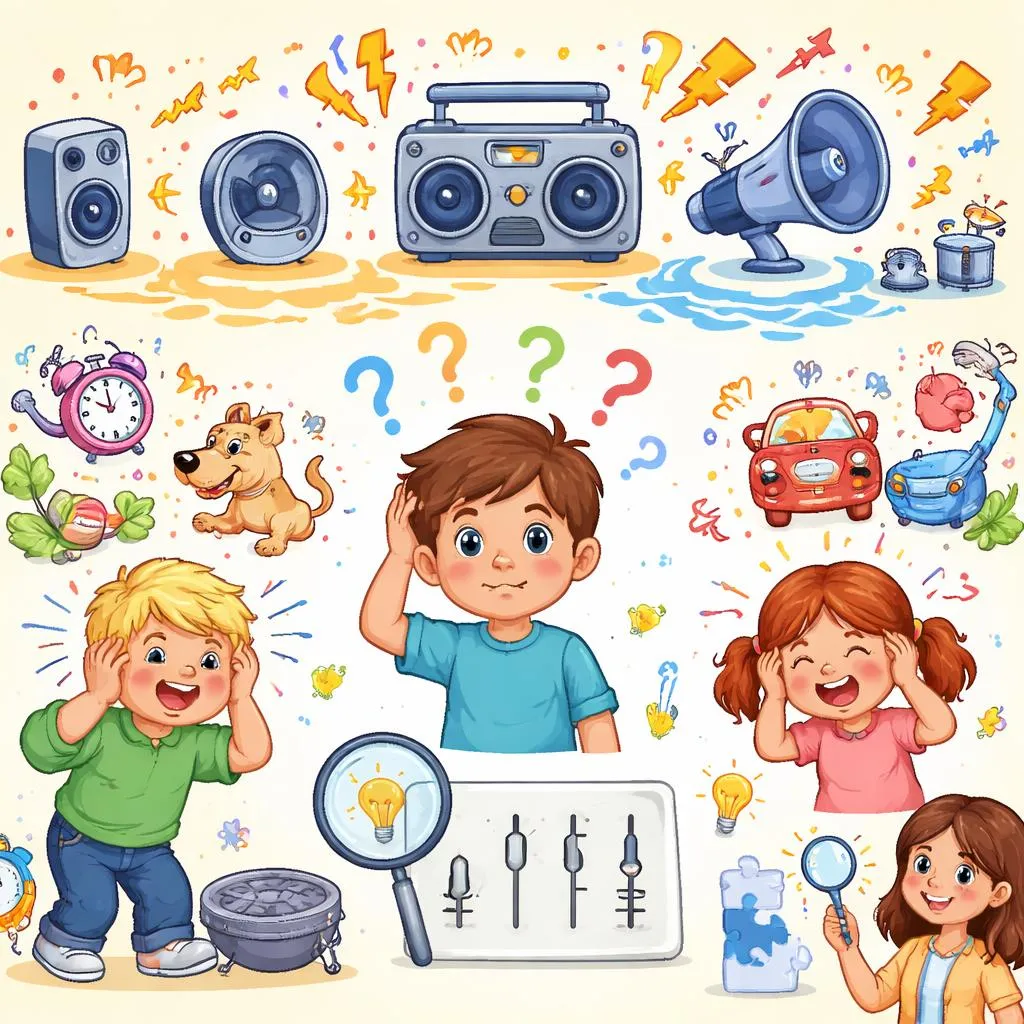
Bonus: Play the “Sound Level Game.” Make different sounds: whisper, soft step, clap, silence. The child says “quietly” or “silently” for each. Whisper = quietly. Silence = silently. Talk about which sounds can truly be silent.
Wrap-up Use “quietly” for everyday low volume when small sounds are okay. Use “silently” for no sound at all, often in stories or dramatic moments. Both ask for peace. One is realistic. One is ideal. Teach children that being quiet is kind. Being silent is special. And sometimes, the kindest sound is no sound at all.