
Original Poem:
I wore a garland of the briar that put me now in awe
I wore a garland of the brain that was whole
It commanded me, done babbling
And I no more blabbed, spare no lie
Tell womanhood she shake off pity
Tell the man to give up tumult for the while
To wonder at the sight of baby's beauty
Ne let the monsters fray us with things that not be
From a high tower poem issuing
Everything run along in creation till I end the song
Ne none fit for so wild beasts
Ne none so joyous, ne none no give no lie
Tell old woes to leave off here:
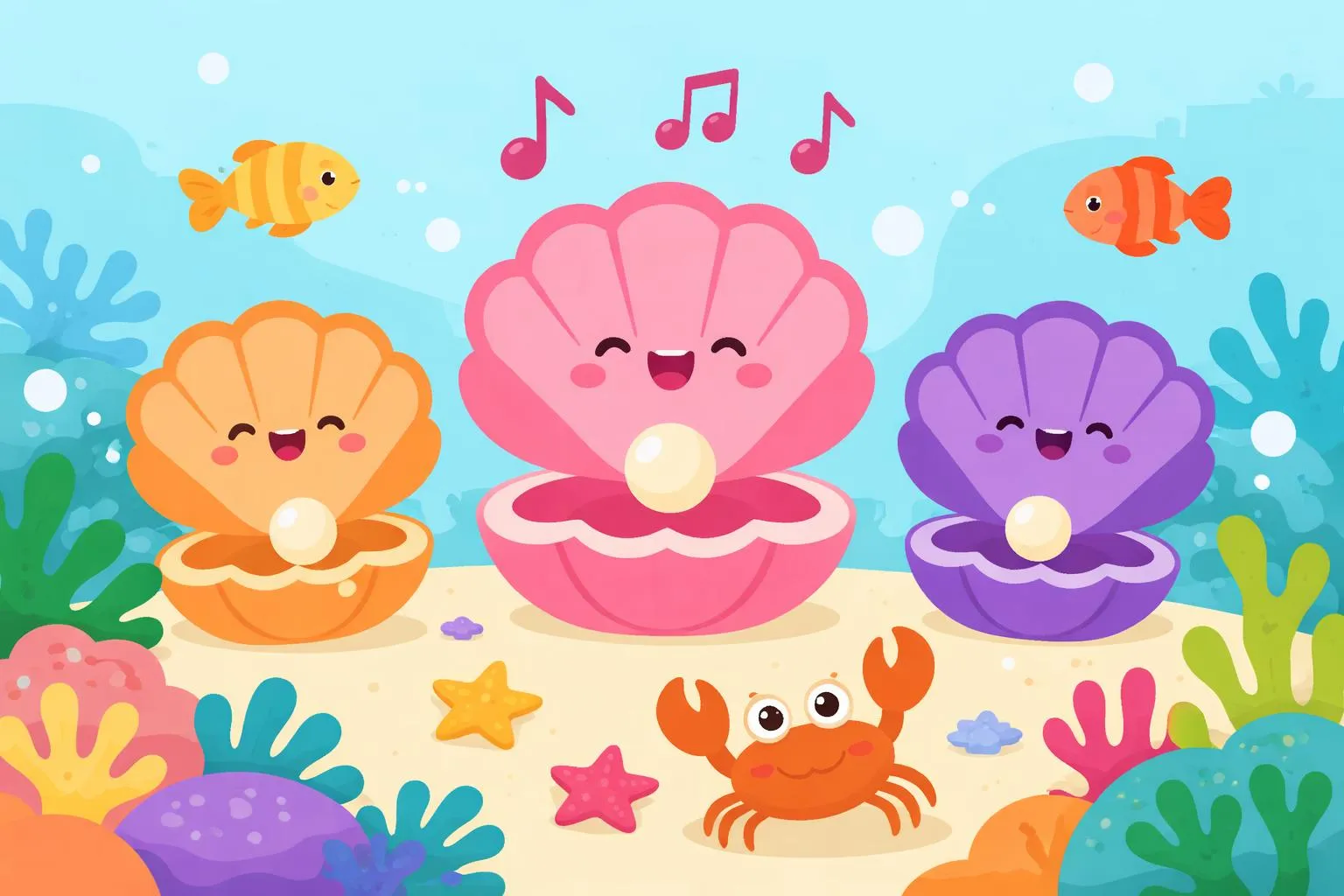
I sing this into a scallop shell with face of a pearl
& leave all sorrow bye & bye.</p>
Analysis and Interpretation of the Poem
This poem expresses a profound transformation and a call for peace and clarity. The speaker begins by describing wearing a garland of briar, symbolizing a painful or challenging experience that has led to awe and respect. Then, the speaker mentions wearing a garland of the brain that was whole, suggesting a state of mental completeness or enlightenment.
The poem commands the speaker to stop idle talk ("done babbling") and to speak truthfully without lies. It encourages womanhood to cast off pity and urges men to pause their turmoil and appreciate the simple, pure beauty of a baby. This imagery emphasizes innocence and the importance of wonder in life.
The speaker warns against letting imaginary fears or "monsters" disturb us and highlights the natural order of creation continuing peacefully "till I end the song." The poem rejects chaos and falsehood, calling for old sorrows to be left behind. The closing image of singing into a scallop shell with a "face of a pearl" evokes a delicate, precious vessel for the speaker’s message, symbolizing hope and the eventual farewell to sorrow.
Background and Author Introduction
While the poem itself does not specify its author, the themes and style suggest it could come from a poet deeply engaged with ideas of growth, transformation, and peace. The use of symbolic garlands and natural imagery points to a tradition of poetry that values the connection between human experience and nature.
This poem might have been written during a period of personal or social upheaval, where the author sought to inspire calm and reflection. The emphasis on truth, the rejection of turmoil, and the celebration of innocence suggest a response to conflict or emotional distress.
Reflection and Personal Response
Reading this poem, one feels a sense of calm and encouragement to look beyond difficulties. The speaker’s journey from pain to clarity is inspiring, reminding us that even in hardship, we can find awe, truth, and beauty. The call to appreciate simple joys, such as the innocence of a baby, is a powerful reminder to stay grounded and hopeful.
The poem also challenges us to let go of old grievances and fears, which is a valuable lesson for anyone facing emotional challenges. Its imagery is vivid and evocative, inviting readers to visualize the delicate scallop shell and the precious pearl, symbols of protection and purity.
Educational Insights and Learning Points
Students and children can learn several important lessons from this poem:
- Symbolism and Imagery: Understanding how objects like garlands, briars, scallop shells, and pearls can represent emotions and ideas.
- Themes of Truth and Peace: Recognizing the importance of honesty, calmness, and overcoming fear.
- Appreciation of Innocence: Learning to value simple beauty and wonder in life, such as the sight of a baby.
- Emotional Growth: Seeing how one can move from turmoil to peace, which is an important personal development concept.
In real life, these lessons can encourage children to express their feelings honestly, appreciate the world around them, and handle conflicts calmly. In school, the poem can be used to teach literary devices and emotional intelligence.
Practical Applications and Learning Challenges
- In Writing: Students can practice writing their own poems using symbolism and imagery inspired by this poem.
- In Social Studies or Ethics: Discussing how to deal with conflict peacefully and the importance of empathy.
- In Emotional Learning: Activities that encourage children to reflect on their feelings and find calmness in difficult situations.
One challenge might be understanding some of the older or more abstract language, such as "tumult" or "fray," so teachers should explain these words clearly.
Reading Comprehension Questions
- What do the garlands in the poem symbolize?
- Why does the speaker tell womanhood to "shake off pity"?
- What is the significance of the baby’s beauty in the poem?
- What does the speaker mean by "Tell old woes to leave off here"?
- How does the poem suggest we should deal with fear and turmoil?
- What image is used to describe the way the speaker shares their song? What might it symbolize?
Answers
- The garlands symbolize experiences and states of being—the briar represents hardship or awe, while the brain garland represents mental wholeness or enlightenment.
- The speaker encourages womanhood to stop feeling pity, possibly to promote strength and self-respect rather than sorrow or weakness.
- The baby’s beauty symbolizes innocence and wonder, something pure that can inspire peace and reflection.
- It means to let go of past sorrows and troubles, leaving them behind as the speaker moves forward.
- The poem suggests facing fear calmly, not letting imaginary monsters disturb us, and pausing turmoil to appreciate beauty and peace.
- The speaker sings into a scallop shell with a face of a pearl, symbolizing a delicate and precious vessel for their message, representing hope and the gentle farewell to sorrow.
This poem offers rich material for students to explore language, emotion, and life lessons, making it a valuable resource for education and personal growth.