
Sleep was impossible in that foul jail, filled with drunken, quarrelsome, and singing ruffians. But what made sleep even more unattainable was my desperate impatience to escape and discover what had happened in the slave quarters after my terrible mistake.
The night dragged on, but morning finally came. I explained everything honestly to the court. I told them I was a slave owned by the great Earl Grip, who had fallen ill suddenly at the Tabard inn across the water. I was sent urgently to fetch the best doctor. While running through the dark night, I collided with a common man who attacked me despite my pleas. The court dismissed the man’s accusations and punished him instead, apologizing for the incident and promising to inform the Earl.
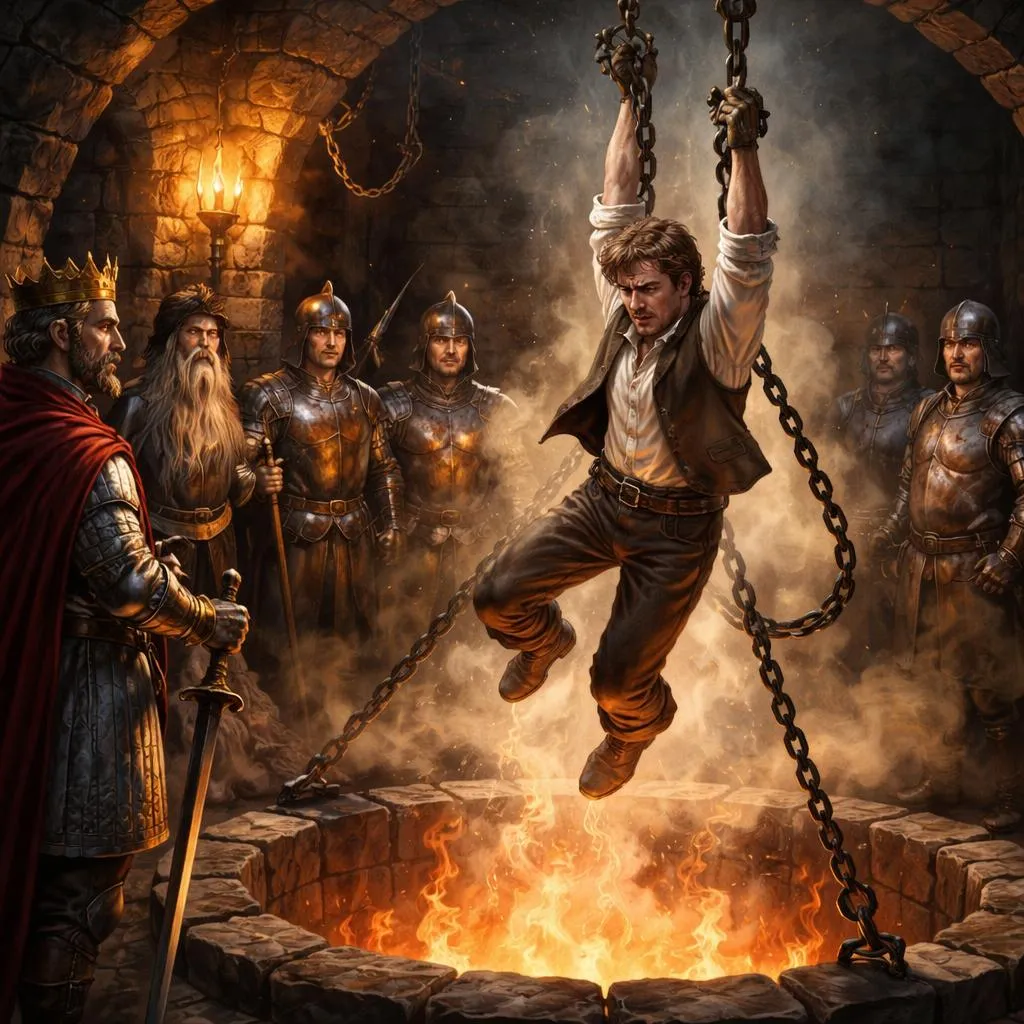
I hurried to the slave quarters, but found them empty except for the slave master’s battered body. Evidence of a fierce fight was everywhere. A coffin stood ready at the door, and workers and police cleared a path through the crowd. I spoke with a humble man who told me that sixteen slaves had revolted, killing their master when he tried to punish them for the escape of their most valuable slave—who had mysteriously freed himself without breaking any locks. The law was harsh: if one slave killed his master, all the slaves would be executed. The trial was swift, and the executions were imminent.
I disguised myself and went to the telegraph office to send a secret message calling for help. I arranged for five hundred knights to come to rescue us. But when I tried to find allies among the townspeople, I was recognized and captured again. The officer who caught me was surprised but refused to help, saying we were all doomed to hang. I tried to reassure him, but he revealed that the execution was set for mid-afternoon that very day. My knights would arrive too late. The missing slave was found, and our fate was sealed.
Background and Author Introduction
This gripping story is a vivid excerpt from a classic adventure narrative, likely inspired by tales of medieval chivalry and slave revolts. The author, drawing on historical and legendary motifs, crafts a tense drama about loyalty, injustice, and desperate hope. The story’s setting—a dark, oppressive jail and a society governed by harsh laws—reflects the brutal realities of past eras, while the protagonist’s courage and cunning highlight timeless human virtues.
Detailed Story Analysis and Significance
At its core, this story explores themes of freedom, justice, and sacrifice. The protagonist’s role as a slave striving to save his comrades and his noble master underscores the complexity of loyalty under oppression. The law that condemns all slaves for one’s crime raises important questions about collective punishment and fairness. The protagonist’s resourcefulness—disguising himself, sending secret messages, and planning a rescue—demonstrates the power of intelligence and courage in the face of overwhelming odds.
The narrative also highlights the harshness of medieval justice and the desperation it breeds. The slaves’ rebellion is a tragic act born from suffering and hope for freedom, yet it leads to swift and brutal retribution. This tension between justice and mercy invites readers to reflect on the importance of empathy and human rights.
Lessons and Insights for Students
Students reading this story can learn valuable lessons about resilience, critical thinking, and moral courage. The protagonist’s determination to uncover the truth and save others encourages young readers to stand up for justice and act bravely in difficult situations. His use of disguise and secret communication teaches the importance of strategy and adaptability.
The story also offers insights into historical social structures and the consequences of unfair laws, fostering empathy and awareness of human rights issues. It challenges readers to consider how laws and authority should serve fairness and protect the vulnerable.
Applications in Daily Life and Learning
- Courage and Perseverance: Like the protagonist, students can learn to face challenges with bravery and persistence, whether in schoolwork, friendships, or personal goals.
- Problem-Solving Skills: The story encourages creative thinking and planning, useful in academic projects and real-life problem-solving.
- Empathy and Justice: Understanding the plight of the slaves can inspire students to advocate for fairness and kindness in their communities.
- Communication: The protagonist’s use of secret messages highlights the importance of clear and strategic communication, a skill valuable in teamwork and leadership.
Cultivating Positive Values from the Story
To develop the positive traits exemplified in the story, students can:
- Practice standing up for others and speaking out against injustice.
- Develop resilience by setting goals and working steadily toward them despite setbacks.
- Engage in role-playing or writing exercises to explore different perspectives and ethical dilemmas.
- Learn about history and social justice to deepen their understanding of fairness and human rights.
Conclusion
This story is not just an exciting adventure but a powerful lesson in courage, justice, and human dignity. By studying it, students gain not only literary appreciation but also practical wisdom for their own lives. They learn that even in the darkest moments, hope, intelligence, and bravery can light the way to freedom and fairness.
