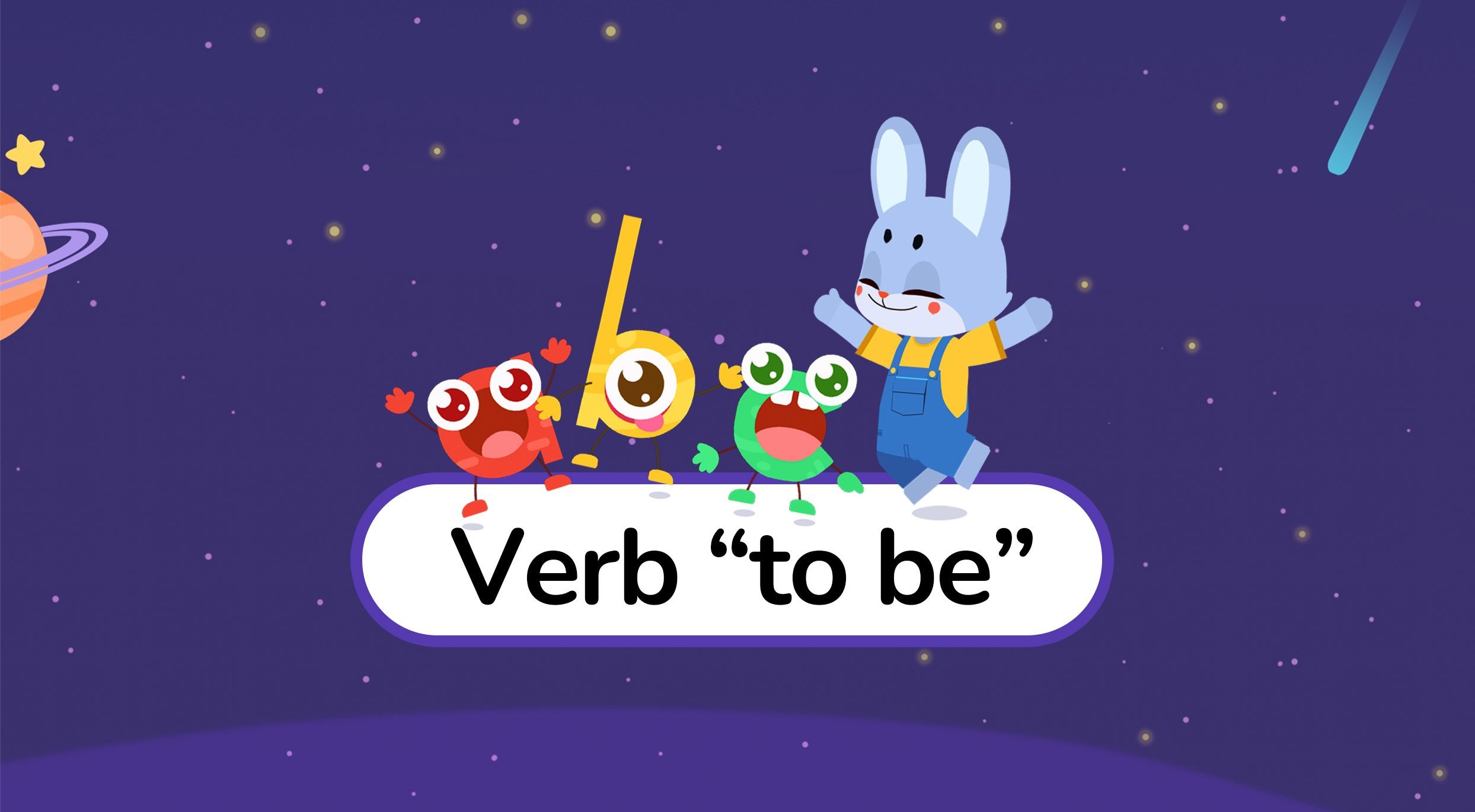

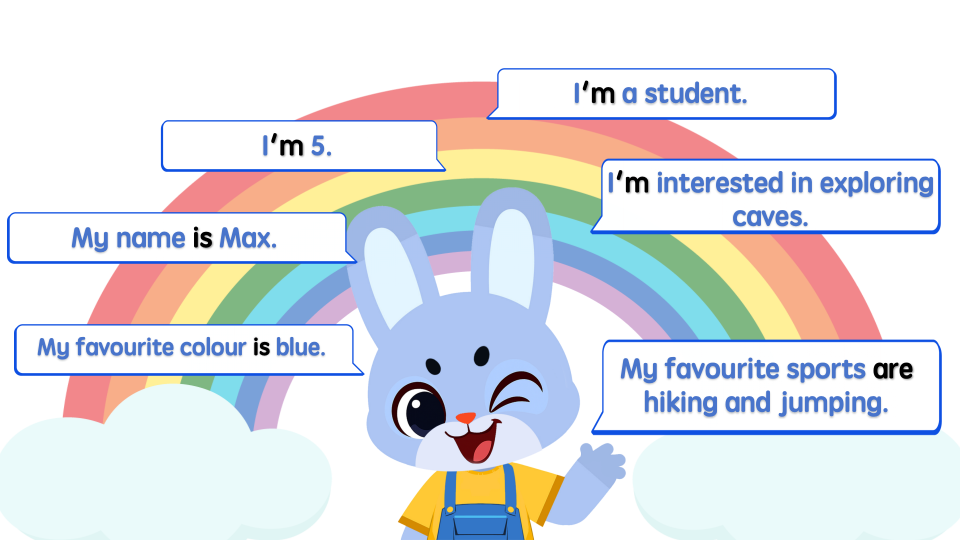
Oi! Eu sou o Max! Hoje vou te ajudar a aprender tudo sobre o verbo “to be”. Vamos ver am, is, are, was, were e até mesmo been, com exemplos divertidos, tabelas e jogos!
📑 Índice
- O que é o verbo “to be”?
- Formas do Presente: am, is, are
- Formas do Passado: was, were
- Been nos Tempos Perfeitos
- Been na Voz Passiva
- Exemplos no Cotidiano
- Erros Comuns
- Jogos Divertidos de Prática
- Gabarito
- Tabela Resumo do “to be”
- Considerações Finais
🌟 O que é o verbo “to be”?
O verbo “to be” é um dos mais importantes em inglês.
Ele nos ajuda a falar sobre quem somos, onde estamos, como nos sentimos e muito mais.
👉 Formas do “to be”: am, is, are, was, were, been
📝 Formas do Presente: am, is, are
| Sujeito | Forma | Exemplo |
|---|---|---|
| I | am | I am happy. |
| He / She / It | is | She is my friend. |
| We / You / They | are | They are at school. |
📝 Formas do Passado: was, were
🔄 Presente vs Passado do “to be”
Aqui está uma tabela simples mostrando como am, is, are mudam no passado:
| Sujeito | Presente | Passado | Exemplo |
|---|---|---|---|
| I | am | was | I am happy today. → Yesterday, I was happy. |
| He / She / It | is | was | She is my friend. → She was my friend last year. |
| We / You / They | are | were | They are in the park. → They were in the park yesterday. |
Exemplos de Uso:
- I was at the zoo yesterday.
- She was my teacher last year.
- They were tired after the game.
📝 Been nos Tempos Perfeitos
“Been” é usado com have/has/had para falar sobre experiências ou estados.
| Tempo Verbal | Exemplo | Significado |
|---|---|---|
| Presente Perfeito | I have been to London. | (experiência) |
| Presente Perfeito Contínuo | She has been studying for an hour. | (ação em andamento) |
| Mais-que-perfeito | They had been friends for years. | (estado passado antes de outro evento) |
📝 Been na Voz Passiva
“Been” também é usado em frases na voz passiva.
| Tempo Verbal | Exemplo | Significado |
|---|---|---|
| Presente Perfeito Passivo | The homework has been done. | (Está concluído agora.) |
| Mais-que-perfeito Passivo | The project had been completed before the deadline. | (Foi feito antes.) |
🌍 Exemplos no Cotidiano
- I am 8 years old.
- She is my best friend.
- We are in the garden.
- He was at school yesterday.
- They were happy last night.
- I have been to the zoo.
- The cake has been eaten.
🚫 Erros Comuns
| ❌ Errado | ✅ Correto | Por quê? |
|---|---|---|
| He are my friend. | He is my friend. | Use is com “he.” |
| I am happy yesterday. | I was happy yesterday. | Precisa do tempo passado. |
| She has went to the park. | She has been to the park. | Use been com “has.” |
🎮 Jogos Divertidos de Prática
Jogo 1: Complete as lacunas
- I ___ happy today. (am/was)
- She ___ my teacher last year. (is/was)
- They ___ at the park yesterday. (are/were)
- He ___ my best friend. (is/was)
Jogo 2: Verdadeiro ou Falso
- “I are happy.”
- “She is my sister.”
- “We was at school yesterday.”
- “They were at the party.”
Jogo 3: Transforme em Negativa
- She is tall. → ___
- They were hungry. → ___
Jogo 4: Faça a Pergunta
- You are my friend. → ___
- He was at school. → ___
✅ Gabarito
Jogo 1
- am
- was
- were
- is
Jogo 2
- Falso (I am happy.)
- Verdadeiro
- Falso (We were at school yesterday.)
- Verdadeiro
Jogo 3
- She is not tall.
- They were not hungry.
Jogo 4
- Are you my friend?
- Was he at school?
📊 Tabela Resumo do “to be”
Aqui está uma tabela de referência rápida com as principais formas do to be:
| Tempo | Singular | Plural | Exemplo |
|---|---|---|---|
| Presente | am (I), is (he/she/it) | are (we/you/they) | I am at school. / They are happy. |
| Passado | was (I/he/she/it) | were (we/you/they) | She was tired. / We were late. |
| Perfeito | have/has been | have/has been | I have been to Paris. / They have been friends. |
| Passiva | has/have been + particípio | has/have been + particípio | The book has been read. / The toys have been cleaned. |
🎯 Considerações Finais
O verbo “to be” está em toda parte no inglês!
- am, is, are → presente
- was, were → passado
- been → tempos perfeitos & voz passiva
👉 Pratique todos os dias e logo você usará “to be” como o Max!