
Poema Original:
SPRING, COAST RANGE
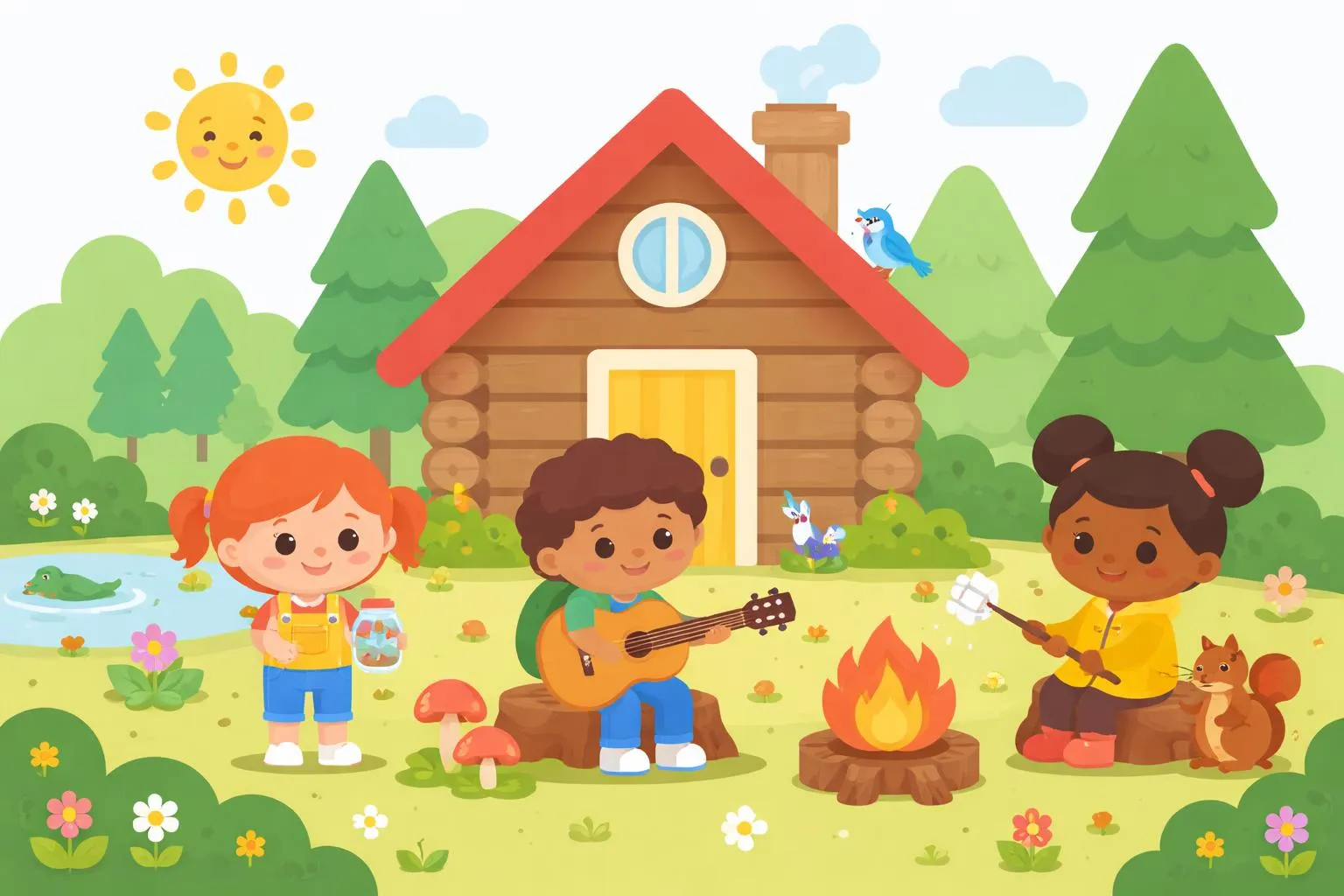
The glow of my campfire is dark red and flameless,
The circle of white ash widens around it.
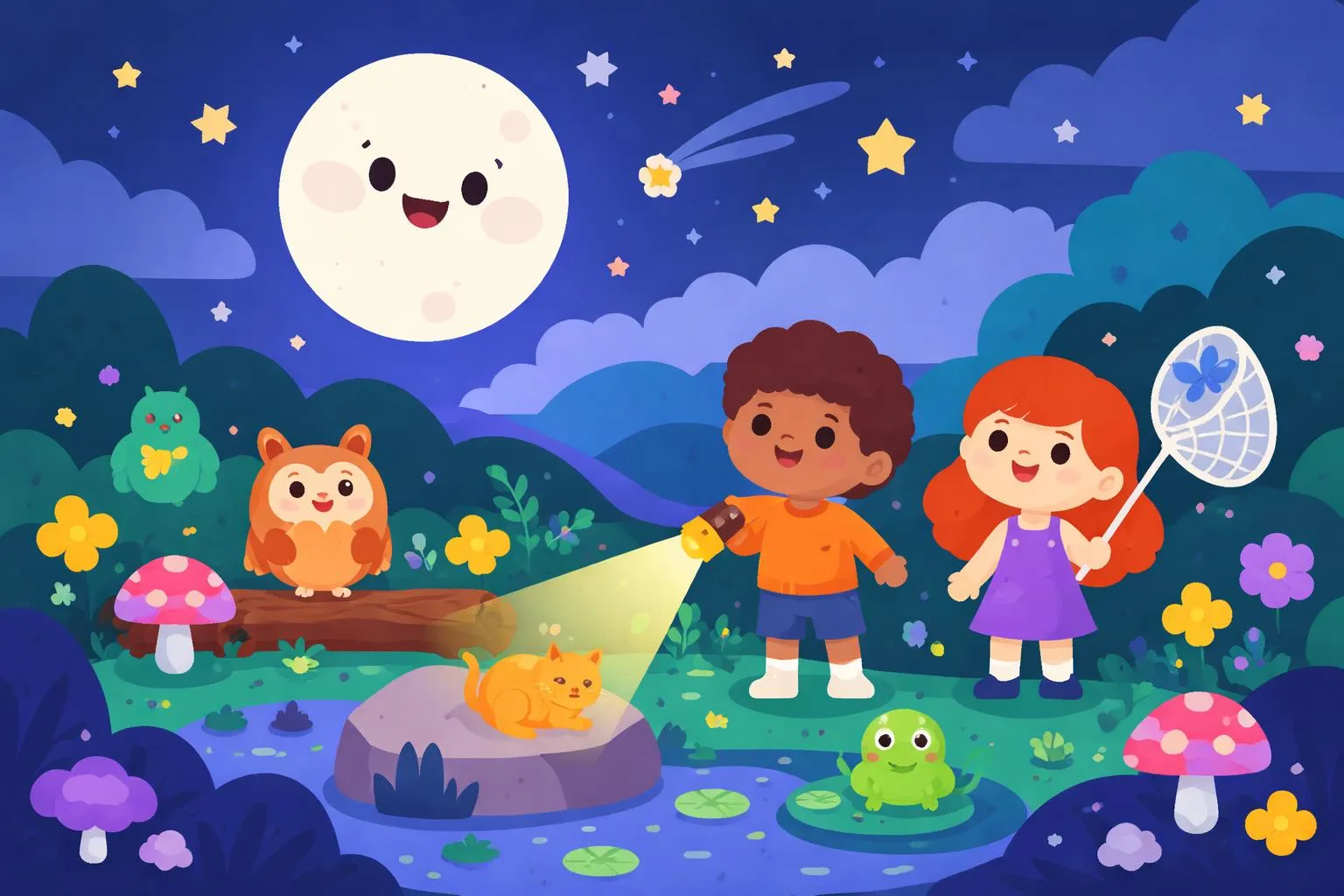
I get up and walk off in the moonlight and each time
I look back the red is deeper and the light smaller.
Scorpio rises late with Mars caught in his claw;
The moon has come before them, the light
Like a choir of children in the young laurel trees.
It is April; the shad, the hot headed fish,
Climbs the rivers; there is trillium in the damp canyons;
The foetid adder’s tongue lolls by the waterfall.
There was a farm at this campsite once, it is almost gone now.
There were sheep here after the farm, and fire
Long ago burned the redwoods out of the gulch,
The Douglas fir off the ridge; today the soil
Is stony and incoherent, the small stones lie flat
And plate the surface like scales.
Twenty years ago the spreading gully
Toppled the big oak over onto the house.
Now there is nothing left but the foundations
Hidden in poison oak, and above on the ridge,
Six lonely, ominous fenceposts;
The redwood beams of the barn make a footbridge
Over the deep waterless creek bed;
The hills are covered with wild oats
Dry and white by midsummer.
I walk in the random survivals of the orchard.
In a patch of moonlight a mole
Shakes his tunnel like an angry vein;
Orion walks waist deep in the fog coming in from the ocean;
Leo crouches under the zenith.
There are tiny hard fruits already on the plum trees.
The purity of the apple blossoms is incredible.
As the wind dies down their fragrance
Clusters around them like thick smoke.
All the day they roared with bees, in the moonlight
They are silent and immaculate.
SPRING, SIERRA NEVADA
Once more golden Scorpio glows over the col
Above Deadman Canyon, orderly and brilliant,
Like an inspiration in the brain of Archimedes.
I have seen its light over the warm sea,
Over the coconut beaches, phosphorescent and pulsing;
And the living light in the water
Shivering away from the swimming hand,
Creeping against the lips, filling the floating hair.
Here where the glaciers have been and the snow stays late,
The stone is clean as light, the light steady as stone.
The relationship of stone, ice and stars is systematic and enduring:
Novelty emerges after centuries, a rock spalls from the cliffs,
The glacier contracts and turns grayer,
The stream cuts new sinuosities in the meadow,
The sun moves through space and the earth with it,
The stars change places.
The snow has lasted longer this year,
Than anyone can remember. The lowest meadow is a lake,
The next two are snowfields, the pass is covered with snow,
Only the steepest rocks are bare. Between the pass
And the last meadow the snowfield gapes for a hundred feet,
In a narrow blue chasm through which a waterfall drops,
Spangled with sunset at the top, black and muscular
Where it disappears again in the snow.
The world is filled with hidden running water
That pounds in the ears like ether;
The granite needles rise from the snow, pale as steel;
Above the copper mine the cliff is blood red,
The white snow breaks at the edge of it;
The sky comes close to my eyes like the blue eyes
Of someone kissed in sleep.
I descend to camp,
To the young, sticky, wrinkled aspen leaves,
To the first violets and wild cyclamen,
And cook supper in the blue twilight.
All night deer pass over the snow on sharp hooves,
In the darkness their cold muzzles find the new grass
At the edge of the snow.
FALL, SIERRA NEVADA
This morning the hermit thrush was absent at breakfast,
His place was taken by a family of chickadees;
At noon a flock of humming birds passed south,
Whirling in the wind up over the saddle between
Ritter and Banner, following the migration lane
Of the Sierra crest southward to Guatemala.
All day cloud shadows have moved over the face of the mountain,
The shadow of a golden eagle weaving between them
Over the face of the glacier.
At sunset the half-moon rides on the bent back of the Scorpion,
The Great Bear kneels on the mountain.
Ten degrees below the moon
Venus sets in the haze arising from the Great Valley.
Jupiter, in opposition to the sun, rises in the alpenglow
Between the burnt peaks. The ventriloquial belling
Of an owl mingles with the bells of the waterfall.
Now there is distant thunder on the east wind.
The east face of the mountain above me
Is lit with far off lightnings and the sky
Above the pass blazes momentarily like an aurora.
It is storming in the White Mountains,
On the arid fourteen-thousand-foot peaks;
Rain is falling on the narrow gray ranges
And dark sedge meadows and white salt flats of Nevada.
Just before moonset a small dense cumulus cloud,
Gleaming like a grape cluster of metal,
Moves over the Sierra crest and grows down the westward slope.
Frost, the color and quality of the cloud,
Lies over all the marsh below my campsite.
The wiry clumps of dwarfed whitebark pines
Are smoky and indistinct in the moonlight,
Only their shadows are really visible.
The lake is immobile and holds the stars
And the peaks deep in itself without a quiver.
In the shallows the geometrical tendrils of ice
Spread their wonderful mathematics in silence.
All night the eyes of deer shine for an instant
As they cross the radius of my firelight.
In the morning the trail will look like a sheep driveway,
All the tracks will point down to the lower canyon.
“Thus,” says Tyndall, “the concerns of this little place
Are changed and fashioned by the obliquity of the earth’s axis,
The chain of dependence which runs through creation,
And links the roll of a planet alike with the interests
Of marmots and of men.”
Análise e Interpretação do Poema
Este poema é uma jornada vívida e reflexiva pela natureza através de diferentes estações e paisagens, focando na Costa Range e na Sierra Nevada. O poeta usa imagens ricas e referências celestiais para evocar uma profunda conexão entre a terra, o céu e as formas de vida que habitam essas regiões.
Na seção Primavera, Costa Range, o poeta descreve uma cena tranquila, quase mística, ao redor de uma fogueira sob a luz da lua. A imagem de Escorpião surgindo e Marte preso em sua garra introduz um elemento cósmico, ligando a cena terrestre ao vasto universo. O poema captura a renovação da vida em abril com peixes subindo rios, trillium florescendo e a presença sutil da vida selvagem como toupeiras e constelações como Órion e Leão. O poeta também reflete sobre a passagem do tempo e o impacto humano, mencionando uma antiga fazenda agora quase desaparecida, enfatizando a resiliência e a mudança da natureza.
O segmento Primavera, Sierra Nevada muda para um ambiente mais alto e frio, onde glaciares e campos de neve dominam. O poema admira a relação sistemática e duradoura entre pedra, gelo e estrelas, retratando a lenta, mas constante transformação da natureza. A imagem do Escorpião dourado sobre o Cânion Deadman e a fosforescência brilhante do mar contrasta com os frios e constantes campos de neve. Os detalhes sensoriais do poeta — o som da água corrente, a visão de cervos se movendo silenciosamente — criam uma experiência imersiva de selvageria e solidão.
Na seção Outono, Sierra Nevada, o foco está na migração e na mudança. A ausência do tordo eremita substituído por chapins, o voo para o sul dos beija-flores e as sombras e luzes que mudam nas montanhas simbolizam o ciclo da vida e a passagem do tempo. O poema termina com uma poderosa reflexão sobre a interconexão de todas as coisas, citando Tyndall sobre como o eixo da terra e as forças cósmicas influenciam até mesmo as menores criaturas e os humanos.
Contexto e Introdução do Autor
Este poema é provavelmente escrito por um poeta da natureza profundamente inspirado pelas paisagens do Oeste Americano, particularmente as montanhas da Costa Range e Sierra Nevada da Califórnia. As observações detalhadas da flora, fauna e corpos celestiais sugerem uma compreensão profunda da ciência natural e uma sensibilidade poética que mistura conhecimento científico com expressão lírica.
O histórico do autor pode incluir experiência tanto em história natural quanto em poesia, permitindo-lhe criar uma obra que educa e inspira. Sua escrita encoraja os leitores a observar de perto e apreciar as sutis mudanças na natureza ao longo das estações, promovendo um senso de responsabilidade e admiração.
Reflexões e Insights
Ler este poema nos convida a desacelerar e observar o mundo ao nosso redor com cuidado e atenção. Ele destaca a beleza dos ciclos naturais e o delicado equilíbrio entre a presença humana e a natureza selvagem. As referências cósmicas do poema nos lembram que nossas vidas são parte de um universo muito maior e que até mesmo pequenas mudanças no ambiente estão conectadas a vastos processos em andamento.
A imagem de fazendas em desvanecimento e florestas queimadas pelo fogo também provoca reflexão sobre a conservação ambiental e a importância de proteger os habitats naturais.
Valor Educacional e Pontos de Aprendizado para Crianças e Estudantes
Este poema oferece ricas oportunidades de aprendizado em várias áreas:
- Ciência e Natureza: Os alunos podem aprender sobre mudanças sazonais, comportamento animal (como migração de peixes e voo de pássaros), espécies de plantas (trillium, flores de maçã, pinheiros de casca branca) e características geológicas (glaciares, formações rochosas).
- Astronomia: O poema menciona constelações (Escorpião, Órion, Leão), planetas (Marte, Vênus, Júpiter) e eventos celestiais, fornecendo uma porta de entrada para lições básicas de astronomia.
- Literatura e Poesia: O uso de imagens, metáforas e simbolismo no poema pode ajudar os alunos a entender dispositivos poéticos e como a poesia pode expressar relações complexas entre humanos e natureza.
- Consciência Ambiental: O poema encoraja o respeito pela natureza e a conscientização sobre o impacto humano no meio ambiente.
Aplicações Práticas e Cenários de Aprendizado
- Aula de Ciências: Use o poema para introduzir tópicos como migração animal, ciclos de vida das plantas e o ciclo da água.
- Arte e Escrita: Os alunos podem criar seus próprios poemas ou desenhos inspirados nas imagens.
- Educação ao Ar Livre: Incentive os alunos a observar a natureza local e escrever notas descritivas ou poemas.
- Clube de Astronomia: Estude as constelações e planetas mencionados, ligando a poesia a atividades de observação das estrelas.
Vocabulário e Conceitos Chave
- Constelação: Um grupo de estrelas formando um padrão reconhecível.
- Migração: Movimento sazonal de animais de uma região para outra.
- Glaciar: Uma grande massa de gelo em movimento lento.
- Fosforescente: Emitindo luz sem calor.
- Ecossistema: Uma comunidade de organismos interagindo e seu ambiente.
- Obliquidade: A inclinação do eixo da Terra que afeta as estações.
Perguntas de Compreensão de Leitura
- Quais elementos naturais o poeta descreve na seção "Primavera, Costa Range"?
- Como o poeta conecta a terra e o céu no poema?
- Quais mudanças na vida selvagem são mencionadas na seção "Outono, Sierra Nevada"?
- Por que a relação entre pedra, gelo e estrelas é descrita como "sistemática e duradoura"?
- Que mensagem o poema transmite sobre o impacto dos humanos na natureza?
Respostas
- O poeta descreve a fogueira, a luz da lua, peixes subindo rios, flores trillium, sequoias, abetos de Douglas, aveia selvagem, flores de maçã e vários animais como toupeiras e cervos.
- O poeta conecta a terra e o céu através de referências a constelações (Escorpião, Órion, Leão), planetas (Marte, Vênus, Júpiter) e o movimento das estrelas, sugerindo uma relação cósmica com eventos naturais terrestres.
- O tordo eremita está ausente e substituído por chapins; beija-flores migram para o sul; cervos se movem silenciosamente sobre a neve.
- Porque esses elementos interagem ao longo de longos períodos, moldando a paisagem e o ambiente de maneiras previsíveis e duradouras.
- O poema sugere que a atividade humana muda a paisagem (por exemplo, fazendas desaparecendo, incêndios queimando florestas), mas também que a natureza é resiliente e continua seus ciclos apesar dessas mudanças.
Este poema é uma bela mistura de observação científica e reflexão poética, oferecendo aos leitores a chance de apreciar o mundo natural e seu lugar dentro dele. É um excelente recurso para educadores inspirar curiosidade, respeito ambiental e apreciação literária entre os alunos.