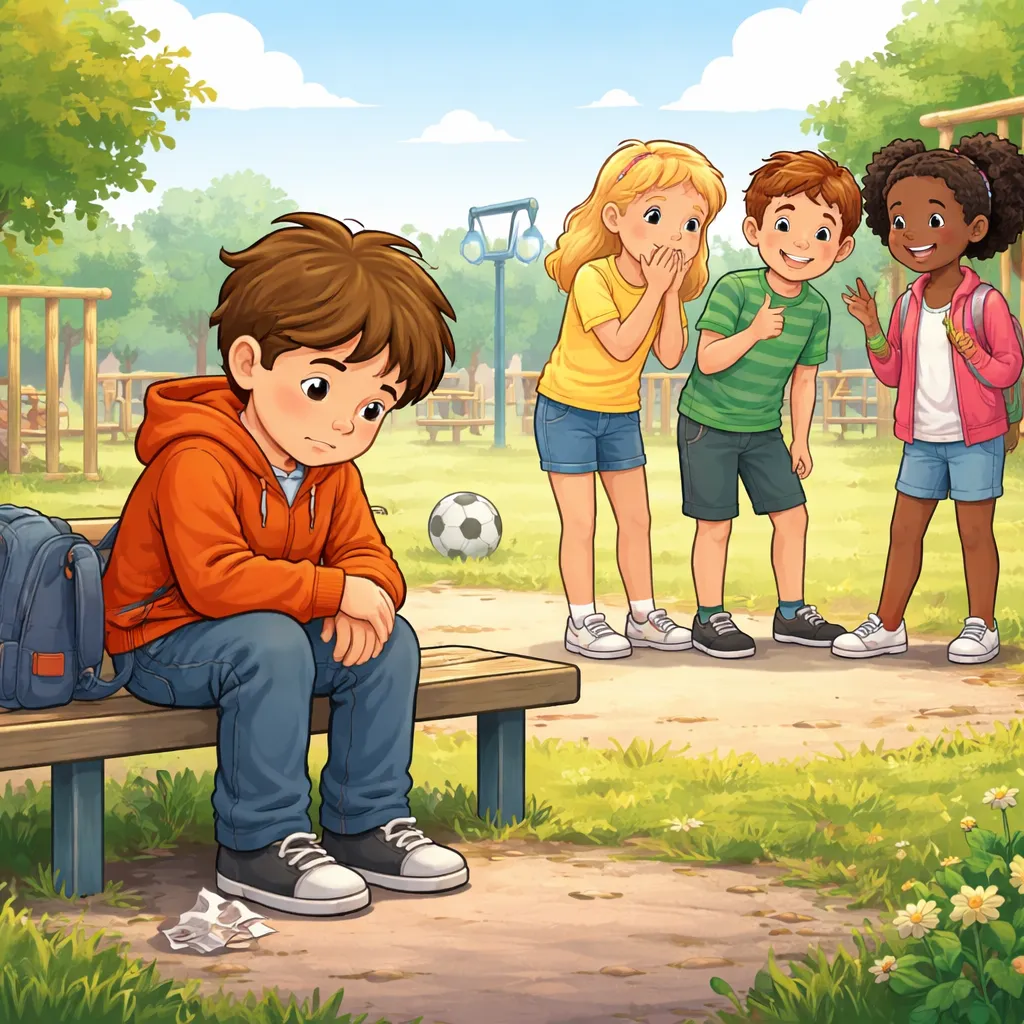

Are Similar Words Really Interchangeable?
Children often learn pairs of words that seem very close in meaning. “Unpopular” and “disliked” are a good example. Both describe something that people do not enjoy or approve of. Yet they are not always interchangeable.
Understanding these differences helps children build strong vocabulary. It also supports clearer communication. When children choose the right word, their ideas become easier to understand.
“Unpopular” often connects to group opinion. “Disliked” connects more to personal feelings. These differences may seem small, but they matter in real situations.
Parents can guide children with simple examples. Over time, children learn to notice how words change meaning in different contexts. This builds confidence and language awareness.
Set 1: unpopular vs disliked — Which One Is More Common?
Both words appear often in English, but they are used in different ways.
“Disliked” is very common in everyday speech. It comes from the verb “dislike,” which children learn early.
I dislike this food. He is disliked by some classmates.
These sentences feel simple and direct.
“Unpopular” also appears often, but usually in specific contexts.
The rule is unpopular. He is unpopular at school.
“Unpopular” often describes general opinion in a group.
For young learners, “disliked” is easier to use first. It connects to a basic verb. Then “unpopular” can be introduced as understanding grows.
Set 2: unpopular vs disliked — Same Meaning, Different Contexts
Both words describe negative feelings. However, they focus on different ideas.
“Disliked” shows personal feeling. It means someone does not enjoy or approve of something.
I disliked the movie. She is disliked by her neighbor.
This word feels personal and direct.
“Unpopular” shows group opinion. It means many people do not support or enjoy something.
The decision is unpopular. The student is unpopular in class.
Children can learn a simple rule:
“Disliked” = personal feeling “Unpopular” = group opinion
This makes the difference clear and easy to remember.
Set 3: unpopular vs disliked — Which Word Is “Bigger” or More Emphatic?
“Unpopular” often feels stronger. It suggests that many people share a negative opinion.
An unpopular idea may face strong disagreement.
“Disliked” is softer. It focuses on individual feelings or small groups.
A disliked food may not appeal to one person.
This difference helps children understand scale.
“Unpopular” shows a wider impact. “Disliked” shows a more limited feeling.
Encourage children to think about size:
Is it one person’s feeling? Or many people’s opinion?
This question guides word choice.
Set 4: unpopular vs disliked — Concrete vs Abstract
“Disliked” often connects to concrete experiences. Children can understand it easily.
I disliked the taste. I disliked the game.
These examples are clear and direct.
“Unpopular” is more abstract. It involves group thinking and shared opinions.
An unpopular policy An unpopular trend
Children must imagine many people reacting in the same way.
Start with concrete examples when teaching. Then move to abstract ideas. This supports gradual learning.
Set 5: unpopular vs disliked — Verb or Noun? First Understand the Role
“Disliked” comes from the verb “dislike.” It often appears in verb forms.
I dislike this book. She disliked the ending.
It can also appear as an adjective in passive form.
He is disliked by others.
“Unpopular” is an adjective. It describes nouns.
An unpopular choice An unpopular leader
Children should learn these roles clearly. Understanding parts of speech helps them build correct sentences.
Parents can explain:
“Dislike” = action (verb) “Unpopular” = description (adjective)
This makes grammar easier to understand.
Set 6: unpopular vs disliked — American English vs British English
Both words appear in American and British English. There are no spelling differences.
“Disliked” is common in both regions. It remains simple and widely used.
“Unpopular” is also common. It appears in school, media, and everyday conversation.
There are no major regional differences to worry about. This allows children to focus on meaning.
Reading different texts still helps. It shows how words appear in real situations.
Set 7: unpopular vs disliked — Which Fits Formal Situations?
“Unpopular” fits formal situations better. It sounds neutral and descriptive.
An unpopular decision An unpopular opinion
These phrases appear in reports or discussions.
“Disliked” feels more personal. It suits informal or conversational language.
I disliked the presentation.
In formal writing, “disliked” may sound too subjective.
Teaching this difference helps children prepare for future writing tasks. They learn to choose words based on context.
Parents can point out examples during reading time. This builds awareness naturally.
Set 8: unpopular vs disliked — Which One Is Easier for Kids to Remember?
“Disliked” is easier for children. It connects to the familiar verb “like.”
Children understand “like” early. Adding “dis-” makes the meaning clear.
“Unpopular” is longer and more abstract. It may take more time to learn.
To help children remember “unpopular,” try simple strategies:
Use school examples Talk about group opinions Repeat the word in context
For example:
The unpopular rule made students unhappy.
Real-life situations make learning meaningful.
Mini Exercise: Can You Spot the Differences Between These Similar Words?
Try these activities with children.
- Choose the correct word:
a. The new rule is ______ among students. (unpopular / disliked)
b. I ______ the taste of this food. (unpopular / disliked)
- Match the idea to the word:
Personal feeling → ______ Group opinion → ______
- Fill in the blank:
He is an ______ student in his class. I ______ that movie very much.
Encourage children to explain their answers. This strengthens understanding.
Parent Tips: How to Help Kids Learn and Remember Similar Words
Parents can support vocabulary learning in simple ways.
First, connect words to daily life. Talk about what children dislike. Then discuss what may be unpopular in a group.
Second, read together often. Books provide natural examples of vocabulary. Pause and explain new words gently.
Third, encourage children to speak and write. Ask them to use both words in sentences. This builds confidence.
Fourth, keep learning positive. Avoid strict correction. Focus on understanding and growth.
Fifth, repeat words naturally. Short conversations help memory more than long lessons.
Sixth, ask guiding questions:
Do you dislike this? Is it unpopular with others?
These questions help children think clearly.
Over time, children begin to notice patterns. They understand that “unpopular and disliked” share meaning but serve different roles. This awareness helps them express ideas more clearly and connect better with others through language.