
What is the Concept?
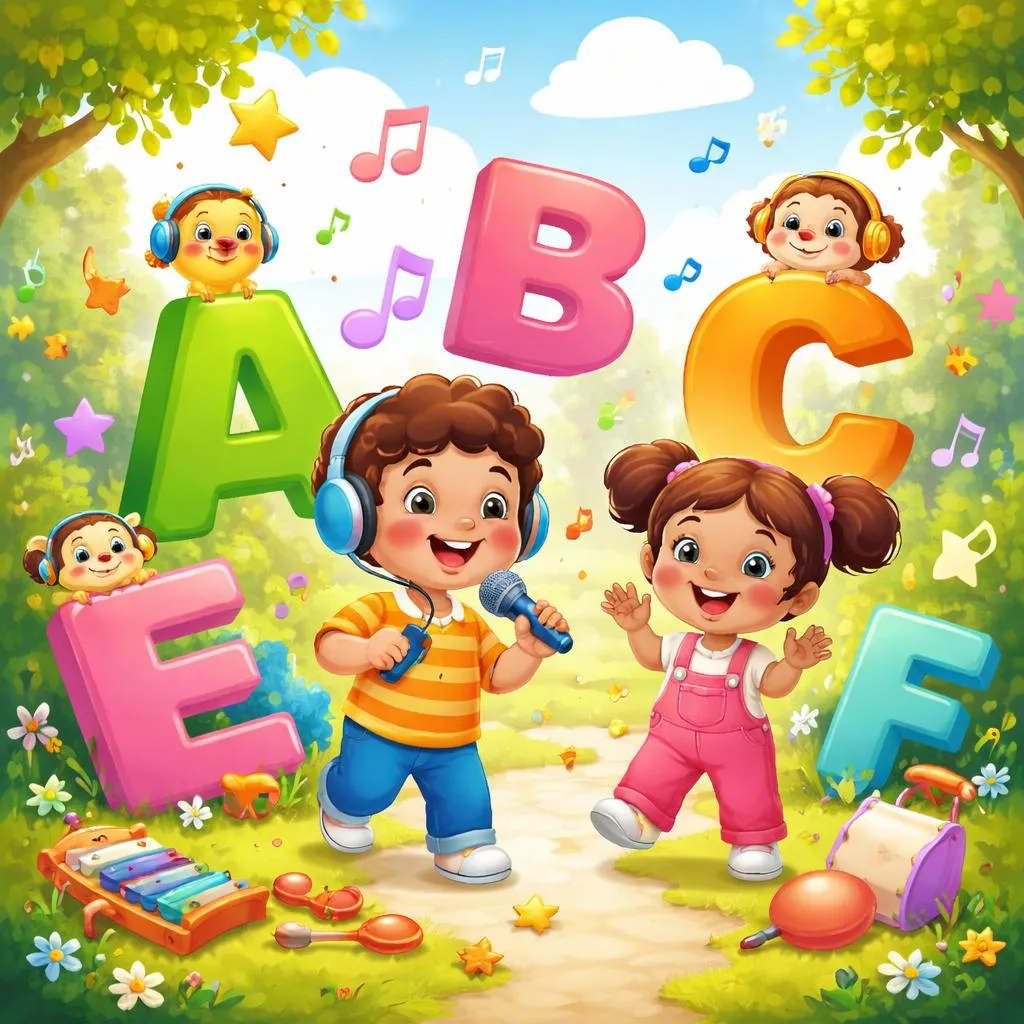
Let's explore the most fundamental building block of English: the ABC English letters. This refers to the set of 26 symbols—A through Z—that form the written English alphabet. These letters are the code we use to create all the words we read and write. Learning the ABC English letters is the essential first step on the journey to literacy.
Understanding the ABC English letters means more than just singing a song. It involves recognizing each letter's shape (uppercase and lowercase), knowing its name, and later, connecting it to sounds. This knowledge unlocks the door to reading, writing, and spelling. It is the foundational skill upon which all other English language skills are built.
Meaning and Explanation
Each of the ABC English letters is a symbol that represents one or more sounds in spoken language. For example, the letter B is a symbol for the /b/ sound we hear at the beginning of "ball." Letters are the visual components of words, just like individual bricks build a wall.
The alphabet is organized in a specific, unchanging sequence from A to Z. This order is crucial for using dictionaries, organizing lists, and understanding the systematic nature of written language. Mastery of the ABC English letters in order provides a predictable and stable framework for a child's growing language skills.
Categories or Lists
The 26 ABC English letters are always learned in this specific order:
A, B, C, D, E, F, G, H, I, J, K, L, M, N, O, P, Q, R, S, T, U, V, W, X, Y, Z.
We can categorize them in helpful ways for learning:
Uppercase (Capital) Letters: A, B, C...
Lowercase (Small) Letters: a, b, c...
Vowels: A, E, I, O, U (and sometimes Y). These are the core sound letters in every word.
Consonants: All the other letters (B, C, D, F, G, etc.). They work with vowels to make syllables.
Grouping them, especially by vowels and consonants, prepares children for the next step: phonics.
Daily Life Examples
We see the ABC English letters all around us every day. We point them out on food packages, street signs, and book covers. We play with alphabet magnets on the fridge. We read alphabet books that link "A" to "Apple" and "B" to "Ball."
We use the alphabet sequence in games: "Let's find something that starts with 'T'." We sing the "ABC Song" to remember the order. Writing a child's name is a powerful, personal way to introduce specific letters. Connecting the abstract symbols to concrete, familiar objects gives them meaning and context.
Printable Flashcards
High-quality printable flashcards are invaluable. Effective cards for ABC English letters should show the uppercase and lowercase form clearly on one side (e.g., "Aa"). The other side should feature a simple, bold picture of an object that starts with that letter's most common sound (an apple for 'A', a ball for 'B').
A fantastic printable is a "My Alphabet Book" template. It provides one page for each letter. Children can color the large letter, trace it, and draw or paste a picture of something that starts with that sound. This creates a personal, hands-on reference tool.
Learning Activities and Games
A cornerstone activity is, of course, the "ABC Song." Sing it daily, pointing to each letter on a chart as you sing. This combines auditory, visual, and kinesthetic learning to cement the letter sequence.
Play "Letter Hunt." Give a child a single letter card (e.g., "Mm"). Ask them to find three objects in the room that start with that sound. This moves learning from passive recognition to active application, strengthening the letter-sound connection.
Another engaging game is "Alphabet Floor Jump." Place letter mats or cards in order on the floor. As the child jumps from A to Z, they say each letter name. For a challenge, call out a letter and have them jump to it, or scramble the letters and have them arrange them in the correct order.
Learning Tips
A key tip is "Little and Often." Short, frequent practice sessions are far more effective than long, infrequent ones. Spend five minutes a day singing the song, tracing letters in sand, or playing a quick letter game.
Focus on the child's name first. The letters in their own name are the most meaningful. Practice recognizing, spelling, and writing their name. This personal connection creates powerful motivation and makes abstract letters instantly relevant.
Mastering the ABC English letters is a monumental and exciting achievement. It is the map that allows children to navigate the world of written language. By approaching the alphabet through song, play, personal connection, and daily discovery, we transform what could be a rote memorization task into a joyful adventure. This strong foundation in letter knowledge fuels confidence and curiosity, setting the stage for a lifelong love of reading and learning.