
A Friendly Hello and First Impressions
Sabaidee! (sah-bye-DEE). This is a warm "Hello" in Lao. Khob chai! (kawp jai). This is a sincere "Thank you". People say it with a gentle smile. Learning reading about Laos starts with these calm, welcoming words.
Laos is a country in Southeast Asia. Its shape looks like a long, bending palm leaf. The leaf curves around its neighbors. The country is in Asia. China, Vietnam, and Thailand are its neighbors. It is the only landlocked country in Southeast Asia. The mighty Mekong River flows along its western border. The land is green, mountainous, and peaceful. It is a country of gentle Buddhism and rich nature.
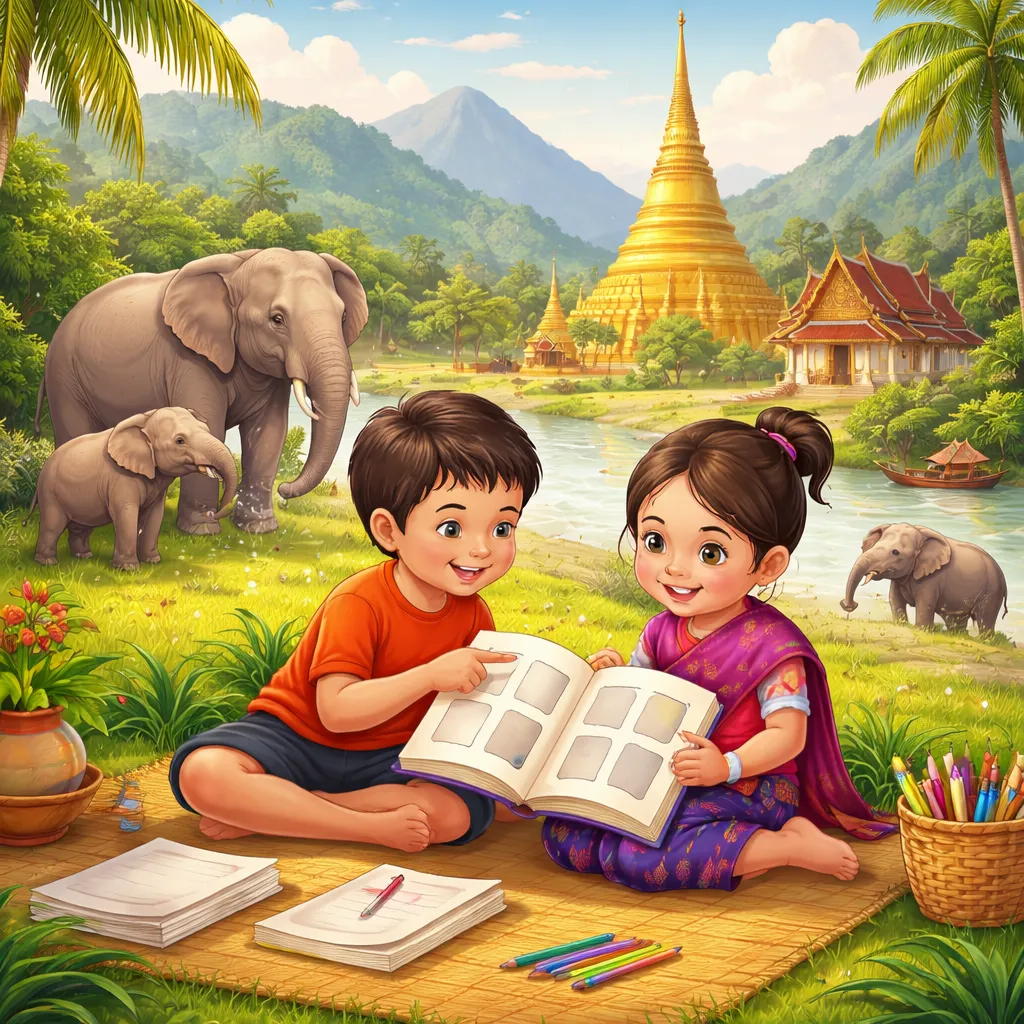
People call it the "Land of a Million Elephants". This was an old royal name. It shows the historical importance of elephants. Another nickname is the "Land of a Million Smiles". The people are famously friendly and calm. Are you ready to explore a land of slow rivers and golden temples?
Deep Dive into Culture and Stories
Echoes of History
A great kingdom once flourished here. It was the Lan Xang Kingdom. It means "Kingdom of a Million Elephants". It was founded in the 14th century by King Fa Ngum. The kingdom was strong and prosperous. It was a center of Buddhist learning. Its story is a key part of learning reading about Laos. It is a story of a golden age.
A more recent, difficult time was the Vietnam War era. Laos was heavily bombed. It is the most bombed country per person in history. The country is still healing from this. This history is important to understand modern Laos.
A World of Coffee and Quiet Strength
Laos gives the world delicious coffee. The coffee grows on the Bolaven Plateau. The beans are rich and full of flavor. Laos also shows the world a quiet, resilient spirit. The people are calm and patient, even after hardship. This quality of peacefulness is a key part of learning reading about Laos. It is a valuable lesson for everyone.
A Land of Rivers and Mountains
Laos's geography is rugged. The north is very mountainous. The Mekong River runs through the west. The south has forested plateaus. The landscape is covered in dense jungle and limestone cliffs.
The climate is tropical. It has a wet season and a dry season. The environment shapes life. People grow rice, coffee, and vegetables. They fish in the rivers. Traditional houses in villages are built on wooden stilts. They have thatched roofs. The main exports are electricity, wood, and coffee.
A special animal is the Asian elephant. It is a national symbol. The national animal is the elephant. The national bird is the Siamese fireback pheasant. The national flower is the frangipani. It is also called the plumeria. The Dok Champa is the national flower. The kapok tree is tall and provides shade.
Landmarks of Gold and Water
Visit Luang Prabang. It is an ancient royal city. It is a UNESCO World Heritage site. The city has many beautiful Buddhist temples. Monks in orange robes walk the streets at dawn. A fun legend says a golden Buddha image is here. The image gives the city its name. The city is peaceful and magical.
See Pha That Luang. It is in the capital, Vientiane. It is the most important national monument. It is a giant, golden stupa. A stupa is a Buddhist shrine. It shines in the sun. A local story says it holds a relic of the Buddha. The stupa is a symbol of Lao faith and sovereignty.
Another wonder is the Kuang Si Waterfalls. They are near Luang Prabang. The water falls in tiers into bright turquoise pools. You can swim in the cool, clear water. A local tale says the falls were created by a powerful spirit. The falls are refreshing and beautiful.
Festivals of Water and Light
The biggest festival is Pi Mai Lao. This is the Lao New Year. It happens in mid-April. The celebration lasts for three days. People clean their homes. They visit temples to pray. They build sand stupas at the wat.
But the most fun part is the water throwing. People splash water on each other. It is a symbol of washing away the old year. It is playful and joyful. The festival is about cleansing, renewal, and fun. The whole country becomes a big, happy water fight.
Another important day is National Day. It is on December 2nd. It marks the founding of the Lao People's Democratic Republic in 1975. There is a parade in Vientiane. The national flag is everywhere. The colors are red, blue, and white. A white circle is in the center. The day is about national unity.
Food and Flavors
The national staple is Sticky Rice. It is called "khao niao". People eat it with their hands. They roll it into small balls. They use it to scoop up other food. Families eat it with every meal. It is chewy, slightly sweet, and filling. It is the heart of Lao food.
You must try Larb. It is a famous Lao salad. It is made with minced meat, herbs, and lime juice. It is often very spicy. People eat it with sticky rice. A good larb is fresh, tangy, and flavorful. It is a celebration of herbs.
A Culture of Alms and Weaving
Buddhism is central to life. Every morning, monks walk through towns. People give them food. This is called "tak bat". It is a beautiful, quiet ritual. This practice is a key part of learning reading about Laos. It shows generosity and spirituality.
Lao women are master weavers. They make beautiful silk and cotton textiles. The patterns are intricate and tell stories. Each ethnic group has its own designs. This art is passed from mother to daughter. It is a living tradition.
Tips for Young Explorers
Cultural Manners Matter
Laos is a very polite society. The traditional greeting is the "nop". Place your palms together at your chest and bow slightly. Say "Sabaidee". This is respectful. A handshake is also common now.
The head is considered high. The feet are low. Do not touch anyone's head. Do not point your feet at people or Buddha images. Sit with your feet tucked behind you. This shows respect.
Dress modestly, especially at temples. Cover your shoulders and knees. Remove your shoes before entering a temple or a home. This is very important.
A Note on Staying Safe
Laos is a very safe and peaceful country. Petty crime is rare. But be careful with your belongings in busy markets. Use common sense. The roads can be dangerous. Traffic rules are flexible. Be very careful when crossing. Use extra caution on buses and boats.
The sun is very strong. Use a high SPF sunscreen. Wear a hat. Drink lots of bottled water. Stay hydrated, especially in the hot season.
Unexploded bombs are a real danger in some rural areas. Never touch strange metal objects. Stay on well-worn paths. Only visit areas that are known to be safe. This is a serious reminder of history.
A Tasty Stop
Look for "khao jee" on the street. It is a Lao baguette sandwich. It comes from the French colonial time. The bread is filled with pat谷, vegetables, and chili sauce. Eat it fresh. The khao jee is crispy, savory, and delicious. It is a perfect quick meal.
Healthy and Happy Travels
Drink only bottled or filtered water. This is the most important rule. Do not drink tap water. Avoid ice in drinks unless you are sure. Brush your teeth with bottled water. This keeps your stomach happy.
Wash your hands often. Carry hand sanitizer. This helps prevent getting sick. Be careful with street food. Eat at busy places where the food is cooked fresh.
Wear comfortable, sturdy shoes. You will walk on uneven paths and temple steps. Good shoes protect your feet. They let you explore ancient sites safely.
Your Invitation to Explore
Start your journey with a moment of quiet. Imagine the silent line of monks at dawn. Or, listen to the sound of the khene. It is a Lao bamboo mouth organ. Its sound is reedy and melodic. This is a wonderful way of learning reading about Laos.
Visit a local market. Look for Lao coffee or woven textiles. Smell the rich coffee. Feel the smooth silk. Imagine the hands that made it. You can also try eating a meal with your hands. Use sticky rice to scoop up flavors. Feel the direct connection to your food.
The world is a big, open book. Each country is a different chapter. Laos's chapter is about gentle Buddhism, flowing rivers, and a calm, smiling spirit. Open it with respect. Read about its history, its peaceful ways, and its natural beauty. Your curiosity is your guide.
Lao families share a basket of sticky rice. Friends sit by the Mekong River at sunset. Children give alms to monks at dawn. We all know these scenes. We love sharing meals. We enjoy quiet moments with friends. We practice kindness. Learning about Laos shows us this. Our global family shares the same simple, beautiful acts. Keep exploring, one page, one country, at a time. Your adventure has just begun.