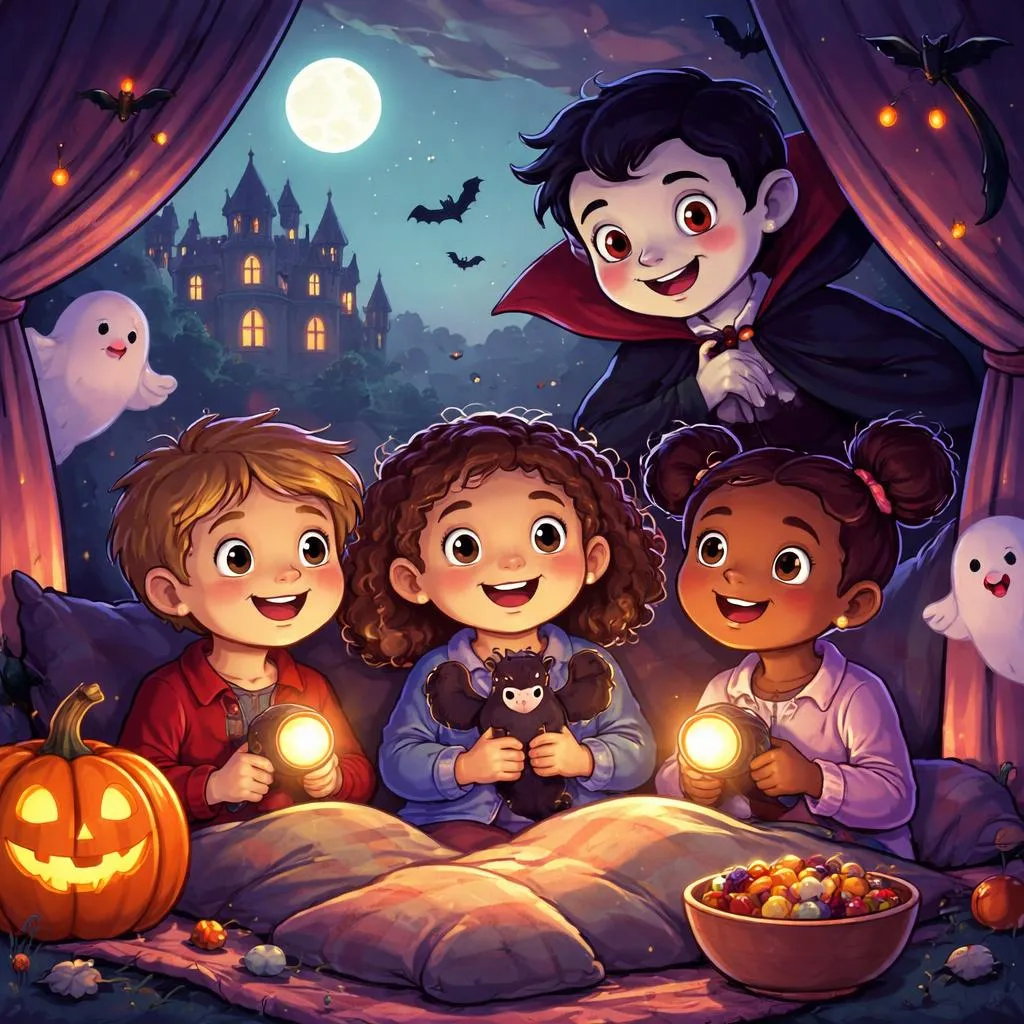

What Are Children's Vampire Stories? Let us explore this exciting genre of children's literature together. Children's vampire stories feature vampires as characters in tales for young readers. These vampires are usually very different from scary adult versions. They might be friendly, funny, or even helpful characters. Some vampires in children's stories are just ordinary kids who happen to be vampires. Others are traditional vampires but in situations that are more silly than scary. The stories focus on adventure, friendship, and humor rather than horror. Children can enjoy the excitement of vampires without being truly frightened. The vampire elements add fun and interest to otherwise ordinary situations. These stories let children explore the idea of "different" in a safe way. Vampires become characters to laugh with, not fear.
Meaning and Purpose of Vampire Stories for Children These stories serve several important purposes in child development. They allow children to explore scary concepts in safe ways. Vampires represent the unknown and different. Through stories, children learn that different doesn't have to mean dangerous. The stories also help children face fears indirectly. A child afraid of darkness might enjoy vampire stories set at night. The friendly vampires model accepting those who are different. Children learn that outsiders can be friends, not enemies. The stories also provide exciting adventures that capture imagination. Vampire elements add mystery and interest to ordinary plots. Children develop empathy for characters who are misunderstood. The vampire often turns out to be lonely, not mean.
Common Elements in Children's Vampire Stories We can identify several elements common to children's vampire tales. Friendly vampires who don't want to scare anyone appear often. They might be trying to fit in at school or make friends. Vampire kids have special powers but also normal kid problems. They might be good at sports because they're strong and fast. The stories often include vampire rules that are funny or clever. No garlic, sleeping in coffins, avoiding sunlight create humor. Human and vampire friendships cross the species barrier. Children learn that friendship transcends differences. Vampire families are like human families with quirks. Parents, siblings, and family traditions appear. The vampire might save the day using special abilities. Their differences become strengths that help others.
Categories of Children's Vampire Stories We can organize vampire stories into several helpful categories. Friendly vampire stories feature kind vampires who help others. They want to be friends with humans, not scare them. Funny vampire stories use vampire traits for humor and laughs. A vampire who's afraid of the dark or gets lost in fog. School vampire stories show vampire kids navigating ordinary school. Picture day, class pictures, and school plays with vampire twists. Holiday vampire stories add vampires to celebrations. Vampire celebrating Halloween or Christmas creates humor. Beginning reader vampire books have simple text for new readers. Easy vocabulary and short sentences with vampire themes. Picture book vampires have lots of illustrations and few words. Young children enjoy vampire characters in colorful pictures.
Vocabulary Learning From Vampire Stories Vampire stories introduce rich and exciting vocabulary for children. Vampire means a creature from folklore that drinks blood. Fangs means the long pointed teeth that vampires have. Cape means the cloak that vampires often wear. Castle means a large building where vampires might live. Bat means an animal that vampires can turn into sometimes. Coffin means a box where vampires sleep during the day. Garlic means a plant that vampires are supposed to dislike. Sunlight means light from the sun that vampires avoid. Midnight means twelve o'clock at night when vampires are active. Creature means any living being, especially a non-human one. We can teach these words with picture cards showing examples. Use them in sentences about friendly vampire adventures.
Phonics Points in Vampire Stories Vampire stories provide useful phonics practice with exciting vocabulary. Vampire has the V sound and short A and long I and silent E. Fang has the F sound and short A and NG blend. Cape has the C sound and long A and silent E. Castle has the soft C and short A and final le. Bat has the short A and T sound. Coffin has the short O and short I and N sound. Garlic has the G sound and AR combination and short I and C soft. Sunlight has the S sound and short U and long I and silent GH. Midnight has the short I and short I and long I and silent GH. Creature has the CR blend and long E and TURE ending. We can focus on one sound pattern from each story. Find all words with that sound in the vampire tale. Write them on bat or cape shapes for practice.
Grammar Patterns in Vampire Narratives Vampire stories model useful grammar for young readers naturally. Past tense tells what happened in the vampire adventure. "The friendly vampire Vlad went to school yesterday." Present tense describes what vampires do generally. "Vampires sleep during the day and wake at night." Future tense shows what will happen next. "Tomorrow the vampire will try to make a new friend." Questions explore vampire life and abilities. "Do vampires really turn into bats?" "What do vampires eat for breakfast?" Commands appear in vampire rules and advice. "Don't go out in the sunlight!" "Stay away from garlic!" Descriptive language paints vampire scenes vividly. "The dark, mysterious castle stood on the hill above the town." Prepositional phrases describe locations. "In the coffin, under the moonlight, through the fog." We can point out these patterns during reading.
Daily Life Connections Through Vampire Stories Vampire stories connect to children's experiences in surprising ways. Feeling different from others is a universal childhood experience. Vampire characters feel different, just like children sometimes do. Trying to fit in at school is something all children know. Vampire kids trying to fit in mirrors their own efforts. Having special talents that others don't have feels familiar. Every child has something they're especially good at. Being afraid of ordinary things happens to everyone. A vampire afraid of the dark is funny but relatable. Family rules and expectations are part of every child's life. Vampire family rules are just sillier versions. We can point out these connections during reading. "You know what it feels like to be different sometimes." "Everyone has things they're really good at, just like vampires."
Learning Activities for Vampire Stories Many activities deepen engagement with vampire themes. Create a friendly vampire character with a name and personality. Draw what they look like and describe their interests. Write a story about a vampire trying to make friends. Include problems and how they solve them. Design a vampire's bedroom with coffin bed and dark colors. Add personal touches showing vampire's personality. Make vampire puppets from paper bags or craft sticks. Use them to act out stories with friends. Practice vampire voice and movements in a fun way. Walk like a vampire, talk like a vampire, but sillily. Create vampire rules for being a good vampire friend. No scaring, share snacks, be kind to humans. These activities make vampire concepts creative and enjoyable.
Printable Materials for Vampire Learning Printable resources support deep engagement with vampire themes. Create vampire character profile sheets with name and traits. Space for drawing, likes, dislikes, special powers included. Design vampire story planning pages with story elements. Characters, setting, problem, solution, and vampire rules. Make vocabulary cards with vampire words and definitions. Vampire, fang, cape, castle, bat, coffin, garlic, sunlight included. Create a friendly vampire coloring page with fun details. Children color while imagining vampire's personality. Design vampire rule book template for creating vampire guidelines. "Never scare little children." "Always say please and thank you." Make a vampire diary page for writing from vampire perspective. "Dear Diary, today at school I..." These printables structure vampire exploration activities creatively.
Educational Games About Vampires Games make vampire learning playful and interactive. Play "Friendly Vampire Says" like Simon Says with vampire actions. "Friendly vampire says float like a bat." "Friendly vampire says hide from sunlight." Create "Vampire Bingo" with vampire-themed words on cards. Fang, cape, bat, castle, coffin, moonlight, midnight included. Play "Vampire Charades" acting out vampire actions. Floating, flying, hiding from sun, saying "bleah" appear. Design "Match the Vampire" pairing vampire names with descriptions. Match Count von Count with "loves counting things." Play "Vampire Rule or Not?" sorting vampire rules. "Sleep in a coffin" is rule; "Eat pizza" is not rule. Create "Vampire Says" memory game with vampire vocabulary. Find matching pairs of vampire word cards. These games build vampire knowledge through active participation.
Teaching About Differences Through Vampires Vampire stories provide perfect metaphors for discussing differences. Vampires are different from humans in many ways. Yet vampire stories show they can be friends anyway. Children learn that different doesn't mean bad. Vampire characters often feel lonely and misunderstood. This mirrors how children sometimes feel about themselves. The stories show that everyone wants to belong. Vampires find friends who accept them as they are. Children learn to be the ones who accept others. They can be friends with people who seem different. The vampire becomes a symbol for anyone who feels like an outsider. Stories teach acceptance and inclusion through entertaining tales.
The Friendly Vampire Trend Modern children's vampire stories feature mostly friendly vampires. Count von Count from Sesame Street loves counting. Bunnicula is a vampire rabbit who sucks juice from vegetables. Vampirina is a young vampire girl navigating human world. These characters are lovable, not scary at all. They have feelings, make mistakes, and learn lessons. Children relate to them as characters, not monsters. This trend makes vampires accessible to young children. Parents don't worry about frightening content. The focus stays on story and character development. Vampire traits become quirks, not horrors. This approach works perfectly for the preschool and early elementary age.
Why Children Love Vampire Stories Children love vampire stories for many good reasons. Vampires have exciting powers like flying and strength. These abilities capture children's imaginations completely. The nighttime world of vampires seems mysterious and magical. Children wonder what happens after they go to sleep. Vampire clothing and castles feel romantic and adventurous. The dark, gothic elements add drama to stories. Vampire stories often have humor that children enjoy. Funny vampire situations make children laugh out loud. The idea of being different but special appeals to children. Vampires represent uniqueness that becomes strength. Children identify with these powerful, interesting characters. Vampire stories provide thrills without real terror.