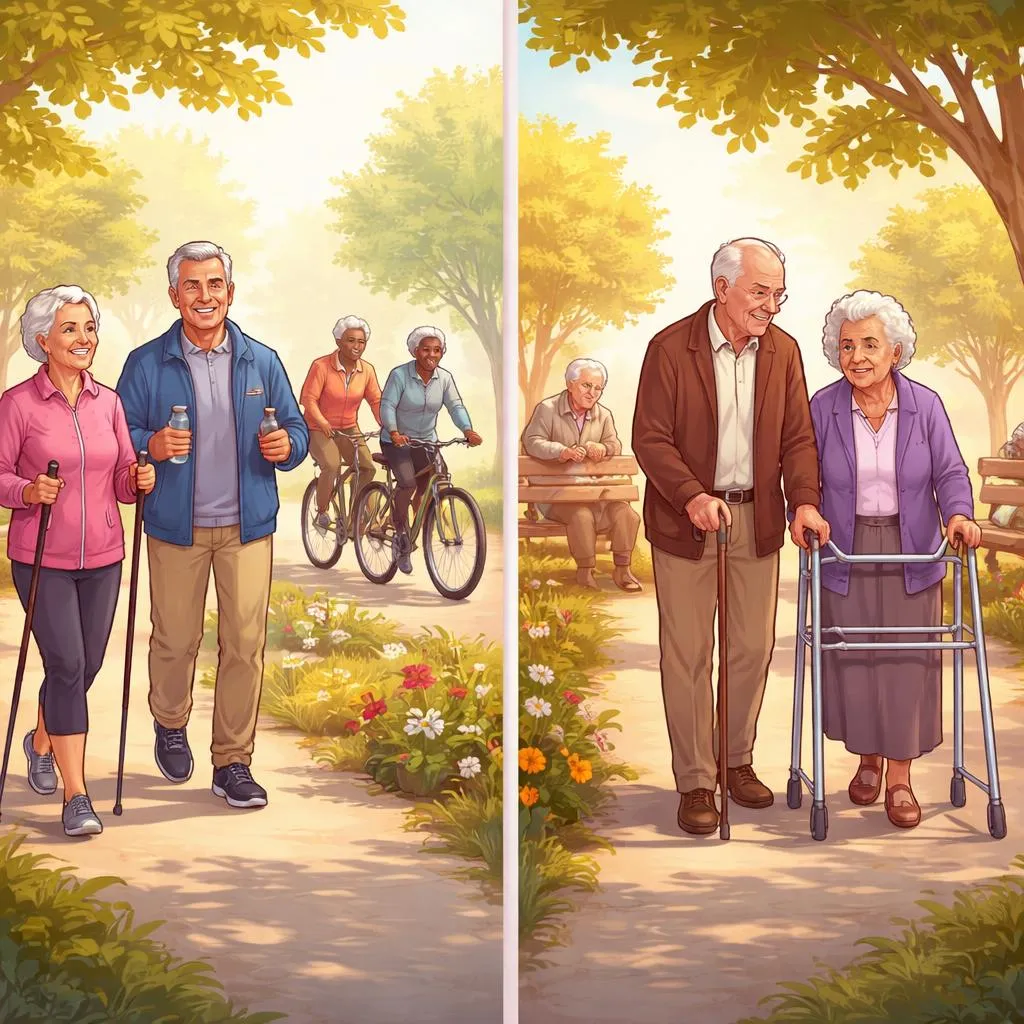

Every family has older members. Grandparents. Great-aunts. Neighbors who have lived on the same street for fifty years.
Children notice these family members move differently. They talk about the old days. They need more rest.
Two words describe people in later life. "Senior" and "Elderly" both mean older. But they carry different feelings and meanings.
This article helps families understand both words. You will learn when to call someone senior. You will also learn what elderly really means. Let us explore these words with respect and kindness.
What Do These Expressions Mean?
"Senior" means older than others in a group. Senior can describe people over sixty-five. Senior also means having more experience. Senior feels active and respected.
For a child, explain it this way. "Senior means someone who has lived many years. Seniors often retire from work. They have time for hobbies and grandkids."
"Elderly" means very old and sometimes frail. Elderly people often need extra help. They might walk slowly or have health problems. Elderly feels delicate and careful.
Tell your child this. "Elderly means someone is very, very old. They might need help walking or remembering things. We treat elderly people with extra gentleness."
Both words describe people in later life. Neither word means bad or useless. Both deserve respect and care.
Why do they seem similar? Because both refer to people past middle age. A senior citizen and an elderly woman both have gray hair. But one suggests energy while the other suggests fragility.
What's the Difference?
The main difference lies in health and independence.
"Senior" suggests active older people. Seniors travel. Seniors volunteer. Seniors play golf or cards. Senior feels positive and capable.
"Elderly" suggests very old people who need support. Elderly people use walkers or canes. They might live in nursing homes. Elderly feels delicate and vulnerable.
One is more about age and experience. The other is more about physical decline.
Another difference involves respect. Senior sounds respectful and neutral. Many older people call themselves seniors proudly.
Elderly sounds clinical or pitying. Some people find elderly insulting. It focuses on weakness instead of wisdom.
Tone also differs. "Senior" sounds active and strong. "Elderly" sounds fragile and dependent.
Use this simple comparison with your child. "Senior is like a sixty-five-year-old who runs every morning. Elderly is like a ninety-year-old who needs help eating dinner."
When Do We Use Each One?
We use "senior" for active older adults. Think of grandparents who babysit. Think of retired teachers who travel. Think of senior citizens at the community center.
At school, senior can mean the oldest students. High school seniors graduate soon. Senior also means experienced staff.
At home, senior family members share stories. They teach recipes. They attend birthday parties.
In the community, senior discounts start at age fifty-five or sixty. Senior centers offer exercise classes and games.
We use "elderly" for very old, frail people. Think of great-grandparents in their nineties. Think of nursing home residents. Think of people who need daily medical care.
At school, elderly visitors might use wheelchairs. Students learn to speak louder and clearer for elderly ears.
At home, an elderly relative might need a caregiver. They forget names. They sleep most of the day.
In the community, elderly shuttle buses take people to doctor appointments. Elderly meal programs deliver food to homes.
Natural usage tip. Use "senior" as a respectful, positive term. Use "elderly" carefully and only when describing significant frailty.
Example Sentences for Kids
Here are simple sentences for your child to learn.
Senior to:
"My senior neighbor is seventy-two years old. She walks her dog every morning."
"The senior citizens at the park play chess together. They laugh a lot."
"Dad became a senior at work after thirty years. He got a gold watch."
Elderly to:
"The elderly woman held my arm as we crossed the street. She walked slowly."
"Our elderly cat is seventeen years old. She sleeps on the warm blanket all day."
"The nurse helped the elderly man eat his soup. His hands shook too much to hold the spoon."
Read these sentences together. Ask your child. "Do we know any senior people? Do we know any elderly people?"
Common Mistakes to Avoid
Many children mix up these words. Here are the most common errors.
Mistake 1: Calling all older people elderly.
Incorrect: "My sixty-five-year-old grandma is elderly."
Correct: "My sixty-five-year-old grandma is a senior. She still hikes and gardens."
Why? Sixty-five is active for most people. Elderly suggests much older or frailer.
Mistake 2: Using elderly as a default respectful term.
Incorrect: "We should respect our elderly neighbors who are fifty-five."
Correct: "We should respect our senior neighbors who are fifty-five."
Why? Elderly sounds too frail for active fifty-five-year-olds. Senior works better.
Mistake 3: Thinking both words are always kind.
Incorrect: "Elderly and senior mean the same nice thing."
Correct: "Senior sounds respectful. Elderly can sound sad or medical. Use senior unless someone is truly very frail."
Tell your child this. "Senior is usually a happy word. Elderly means very, very old and needing help. Most older people prefer senior."
Easy Memory Tips
Help your child remember the difference with these fun tricks.
Tip 1: The Tennis Player and the Sleeping Cat
Draw a senior playing tennis. Smiling. Active. Having fun.
Draw an elderly cat sleeping by the fire. Still. Fragile. Needing warmth.
Ask your child. "Does this person look active or resting?"
Tip 2: The Calendar and the Cane
Senior is about the calendar. Age sixty-five plus. Still many years left.
Elderly is about the cane. Need help moving. Body getting tired.
Your child can draw both symbols while saying each word.
Tip 3: The Question Test
Teach your child to ask two questions. "Does this person need help with daily tasks? Does this person move slowly and carefully?"
If no to both, use senior. If yes to either, consider elderly.
This test helps children choose respectful words.
Tip 4: The Sound Game
Senior sounds like "cheerful" — bright and active.
Elderly sounds like "gentle" — soft and careful.
Make the sounds together. Laugh while learning.
Quick Practice Time
Try these simple exercises with your child.
Exercise 1: Multiple Choice
Read each sentence. Choose senior or elderly.
"The _____ citizens at the mall walked fast. They shopped for two hours."
Answer: senior
"The _____ woman used a walker. She needed help getting into the car."
Answer: elderly
"My grandpa is a _____ golfer. He plays nine holes every Tuesday."
Answer: senior
"The _____ man forgot my name again. He asked the same question three times."
Answer: elderly
Exercise 2: Fill in the Blank
Use senior or elderly to complete each sentence.
"Our _____ dog still plays fetch. She just needs a nap afterward."
Answer: senior
"The _____ patient stayed in bed. The nurse brought all meals to the room."
Answer: elderly
"High school _____ students get special parking spots near the building."
Answer: senior
"The _____ couple celebrated their seventieth wedding anniversary. Both were ninety-five years old."
Answer: elderly
Check answers together. Praise every effort. If your child makes a mistake, say this. "Good thinking. Let us remember the tennis player and the sleeping cat."
Wrap-up
The key difference is simple. Senior describes active older people with respect and positivity. Elderly describes very old, frail people who need extra care. Now you and your child can use both words with kindness. Call active grandparents senior. Use elderly gently for those who are truly fragile. Every age deserves dignity. Every person deserves the right word. Keep practicing these words. Your family will grow closer across the generations.