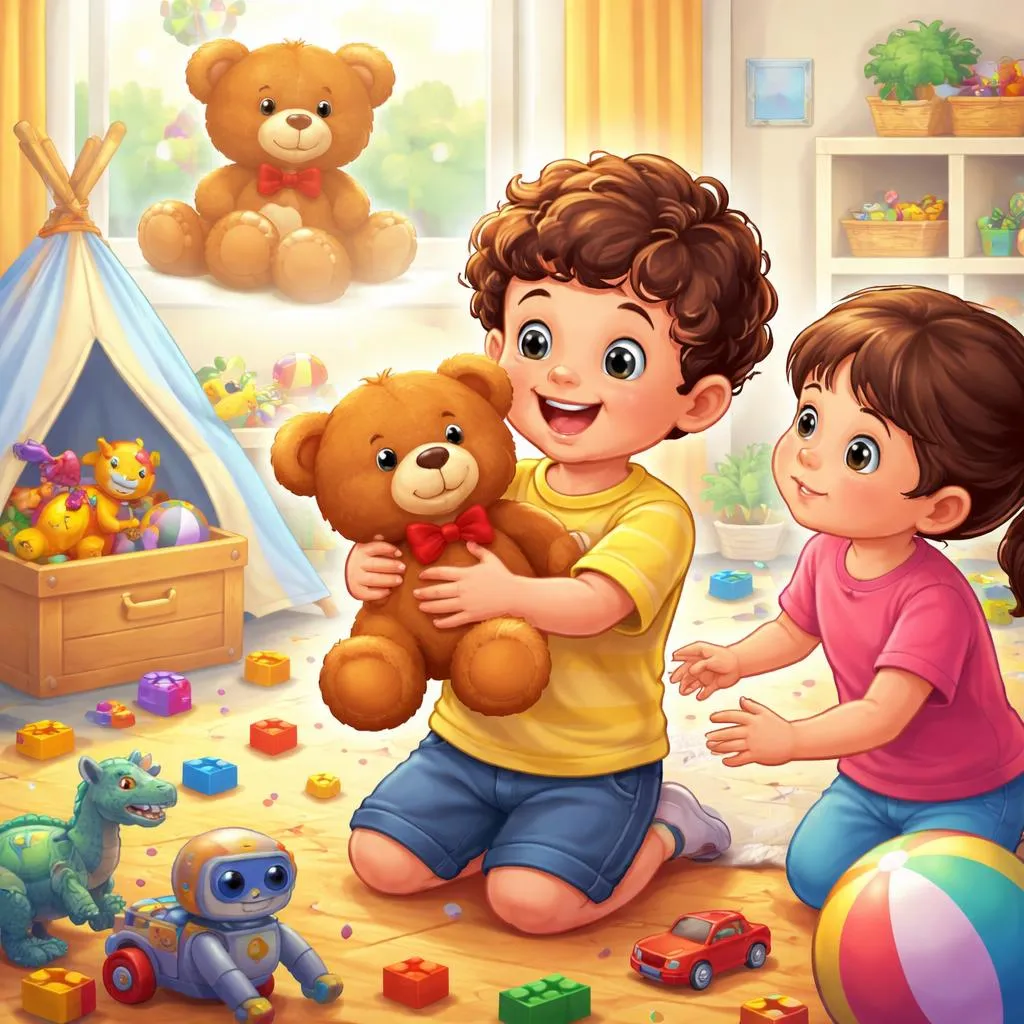

What Do These Expressions Mean? “I have it” and “I possess it” both tell someone that something belongs to you. They announce that an item is in your control or ownership. Children say these words when they find a lost toy. Both claim something as their own.
“I have it” means this thing is with me or belongs to me. It is common and natural. A child says it when holding a favorite stuffed animal. It feels warm and everyday.
“I possess it” means I own this thing by law or right. It sounds very formal and official. An adult says it in a legal document. It feels cold and distant.
These expressions seem similar. Both say “this is mine.” Both state ownership. But one is for daily life while one is for lawyers.
What's the Difference? One is for living. One is for legal documents. “I have it” works for everyday life. You have a toy. You have a cookie. It is natural for children.
“I possess it” sounds like a courtroom. People possess land, money, or legal rights. A child saying “I possess this crayon” is very strange. It is correct but odd.
Think of a child with a new game. “I have it” shows joy. “I possess it” sounds like a robot. One shares feeling. One shares a fact.
One is about holding. The other is about owning legally. “I have it” can mean in your hand or near you. “I possess it” always means legal ownership. You can have a library book. You do not possess it.
Also, “I have it” can mean “I understand” or “I found the answer.” “I possess it” never means that. “I possess the answer” is wrong. Use “have” for many meanings.
When Do We Use Each One? Use “I have it” for most situations. Use it for toys, food, and everyday items. Use it when you find something or hold something. It fits daily life.
Examples at home: “I have it! I found my missing shoe.” “I have it. The blue cup is mine.” “I have it right here in my hand.”
Use “I possess it” almost never as a child. Use it only in formal writing or legal talk. Use it to understand grown-up documents. Children do not need to say this phrase.
Examples for adults: “I possess the legal rights to this property.” “The document states that I possess this vehicle.” “I possess a collection of rare coins.”
Most children can live their whole lives without saying “I possess it.” Teach them to recognize it for reading. But for speaking, “I have it” is always right. Keep it simple and natural.
Example Sentences for Kids I have it: “I have it. The remote is under the couch.” “Don't worry. I have it right here.” “I have it. That's my jacket.”
I possess it: “The king possesses the crown.” (story language) “In the game, I possess three magic gems.” (pretend play) “The treasure map says I possess the gold.” (formal pretend)
Notice “I have it” sounds like a real person. “I possess it” sounds like a character in a book. Children should learn both. But they should use “I have it” every day.
Parents can use “have” all the time. Use “possess” for vocabulary lessons. “This character possesses a secret. That means they have it.” Learning happens in small moments.
Common Mistakes to Avoid Some children say “I possess it” to sound smart. It backfires. Friends may not understand. Stick with “I have it” for real life. Simple is better.
Wrong: “I possess the red crayon.” Right: “I have the red crayon.”
Another mistake: using “possess” for things you are borrowing. You possess things you own legally. A library book is not possessed. It is borrowed. Use “have” for borrowed things.
Wrong: “I possess this library book.” Right: “I have this library book.”
Some learners forget that “have” is also an action verb. “I have it” can mean “I caught it” (a ball). “Possess” never means catching. Match the verb to the action.
Also avoid saying “I have it” in a bragging voice. “I have it and you don't” is mean. Share your joy, not your superiority. Kindness matters more than possession.
Easy Memory Tips Think of “I have it” as a child's open hand. The hand holds a toy. The child smiles. Simple and warm.
Think of “I possess it” as a lawyer's briefcase. The briefcase holds documents. The lawyer speaks formally. Cold and official.
Another trick: remember the length. “Have” has one sound. “Possess” has two sounds. Short for daily. Long for legal. Match the word to the moment.
Parents can say: “Have for hand. Possess for land.” That means things in your hand get “have.” Land and legal documents get “possess.”
Practice at home. Hold a toy: “I have it.” Read a story: “The dragon possesses a golden egg.” Two worlds. One vocabulary lesson.
Quick Practice Time Let us try a small exercise. Choose the better phrase for each situation.
Your child finds their missing water bottle in the car. a) “I possess my water bottle.” b) “I have it! I found my water bottle.”
You are reading a fairy tale about a witch who owns a magic mirror. a) “The witch has a magic mirror.” b) “The witch possesses a magic mirror.”
Answers: 1 – b. Finding a daily item fits “I have it.” 2 – a or b. Both work. “Possesses” sounds more fairy-tale formal.
Fill in the blank: “When I catch the ball in a game, I shout ______.” (“I have it” is the natural, excited choice.)
One more: “In a legal contract, the document says ______ the property.” (“I possess” fits formal, official language.)
Having things is part of life. “I have it” is joyful and clear. “I possess it” is for official papers. Teach your child both. Teach them when to use each. That is the gift of vocabulary.
Wrap-up “I have it” means something is with you or belongs to you in daily life. “I possess it” means legal ownership in formal contexts. Use “I have it” for toys, food, and everyday items. Understand “I possess it” for stories and documents. Knowing what you have is good. Sharing what you have is even better.