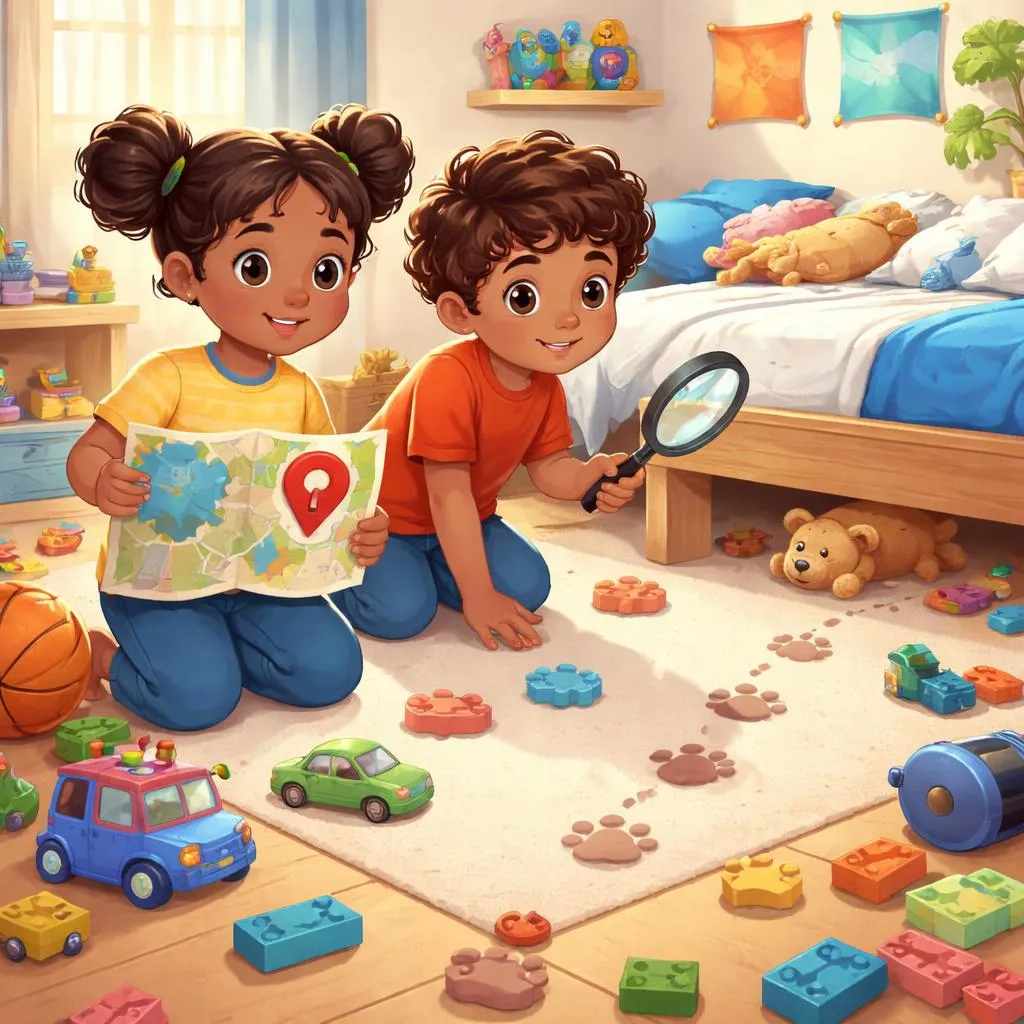

What Do These Expressions Mean? “Where is it?” and “what's its location?” both ask for the position of an object. They request information about where something can be found. Children say these words when they cannot find a toy, a shoe, or a snack. Both start a search.
“Where is it?” means tell me the place where that thing is right now. It is short and common. A child says it when a crayon rolls under the table. It is the everyday question.
“What's its location?” means give me the specific position or coordinates of the object. It is long and formal. An adult asks it in a business meeting or for GPS coordinates. It sounds very grown-up.
These expressions seem similar. Both ask for the place of something. Both start a search. But one is for everyday talk while one is for formal or technical talk.
What's the Difference? One is for daily life. One is for formal or technical use. “Where is it?” is what families say. It is quick and natural. Children learn it first.
“What's its location?” sounds like a computer or a GPS. It is longer and more precise. A child saying it sounds like a robot. It is correct but very unusual.
Think of a child looking for a lost toy. “Where is my teddy bear?” is right. “What's the location of my teddy bear?” would sound strange. One is for home. One is for a technical manual.
One is for all ages. The other is for older children learning formal words. “Where is it?” for a 5-year-old. “What's its location?” for a school report on a GPS. Use the first for searching. Use the second for formal writing.
Also, “location” is a less common word for children. “Where” is simpler. Teach “location” as a vocabulary word for reading. Use “where” for speaking.
When Do We Use Each One? Use “where is it?” for most everyday questions. Use it for lost toys, homework, shoes, or the remote. Use it to ask for help finding something. It fits daily life.
Examples at home: “Where is it? I can't find my backpack.” “Where is my blue sock? It's missing.” “Where is the remote? I want to watch TV.”
Use “what's its location?” very rarely. Use it in a geography lesson or a formal report. Use it to be precise. Children almost never need to ask this question.
Examples for formality: “What's the location of the library on this map?” (school) “Can you tell me the exact location of the treasure?” (game) “What's its location? We need the coordinates.” (formal)
Most children should just ask “where is it?” It is clear, simple, and natural. “What's its location?” is good to understand for reading maps or instructions. But for finding a lost shoe, “where is it?” is best.
Example Sentences for Kids Where is it?: “Where is it? I had it a minute ago.” “Where is my science book? I need it.” “Where is the dog’s leash?”
What's its location?: “What's the location of the fire station on this map?” (school) “Can you tell me the location of my backpack?” (formal game) “What's its location? The GPS needs coordinates.” (grown-up talk)
Notice “where is it?” sounds like a real child. “What's its location?” sounds like a map app. Children learn both. One for talking. One for understanding maps.
Parents can use “where is it?” every day. Save “location” for map reading. “The map says the location is here. That means ‘where it is.’” Learning happens in small moments.
Common Mistakes to Avoid Some children say “what's its location?” for a lost toy. It sounds too formal. Friends may laugh. Stick with “where is it?” Simple words work best.
Wrong: “What's the location of my pencil?” Right: “Where is my pencil?”
Another mistake: forgetting the word “it.” “Where is?” is incomplete. “Where is it?” or “where is my hat?” is correct. Add the object or “it.”
Wrong: “Where is?” Right: “Where is it?” or “Where is my shoe?”
Some learners think “location” is only for big things. A toy can have a location. But the word is still too formal. Use “where” for everything.
Also avoid asking “where is it?” if you already know. If you hid the object, do not pretend to forget. Be honest. “I put it on the shelf” is better than a fake question.
Easy Memory Tips Think of “where is it?” as a flashlight beam. The beam searches under the couch. For everyday finding.
Think of “what's its location?” as a GPS screen. The screen shows a dot on a map. For formal or technical talk.
Another trick: remember the length. “Where is it?” is three words. “What's its location?” is three words as well. But “location” is a longer syllable. Short words for home. Long words for maps.
Parents can say: “Where for a chair. Location for a map's care.” That means at home, say “where is it?” For maps and coordinates, understand “location.”
Practice at home. Lost a toy: “where is it?” Look at a map: “what's the location of the park?” Two different question levels.
Quick Practice Time Let us try a small exercise. Choose the better phrase for each situation.
A child cannot find their water bottle after lunch. a) “What's its location?” b) “Where is my water bottle?”
A teacher asks students to find a city on a map during geography class. a) “Where is the city?” b) “What is the location of the city on this map?”
Answers: 1 – b. A lost water bottle at school fits the everyday “where is it?” 2 – a or b. Both work. “Location” is more formal and fits a geography lesson.
Fill in the blank: “When I can't find my library book, I ask ______.” (“Where is it?” is the natural, everyday, child-friendly choice.)
One more: “When a GPS asks for a destination, it asks for the ______.” (“Location” fits the formal, technical, precise language of maps.)
Finding things is a skill. “Where is it?” finds lost socks. “What's its location?” reads maps. Teach your child both. A child who learns to ask “where” will find what they need.
Wrap-up “Where is it?” is the everyday question for finding lost objects at home and school. “What's its location?” is a longer, more formal question used for maps, GPS, and precise coordinates. Use “where is it?” for toys, shoes, and books. Understand “what's its location?” for geography lessons and map reading. Both questions help you find things. A child who can ask “where” will never stay lost for long.