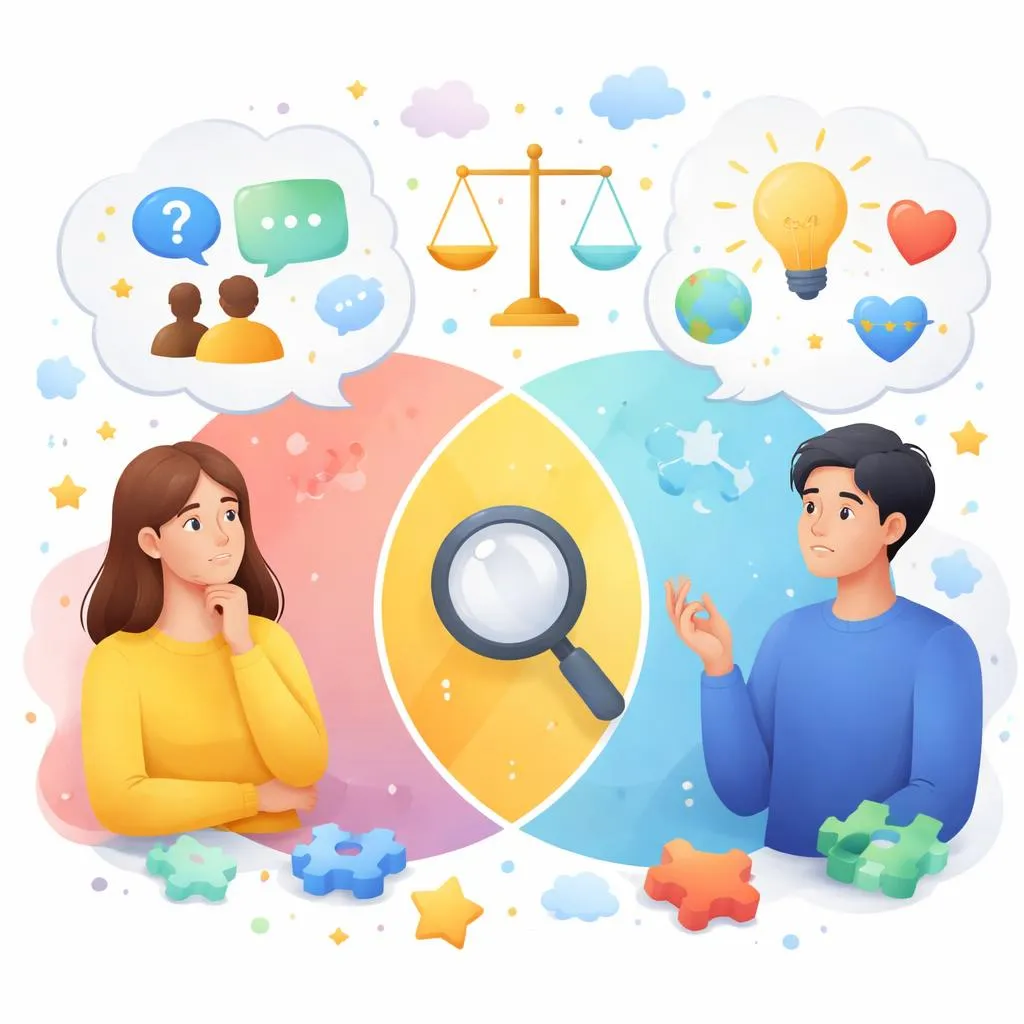
Why Do We Say “In My Opinion, I Believe”? What’s the Real Difference?
Many parents want their children to speak English clearly and politely. You may hear kids use certain phrases over and over. Two very common expressio ...
Read MoreMany parents want their children to speak English clearly and politely. You may hear kids use certain phrases over and over. Two very common expressio ...
Read More
What Do These Expressions Mean? “Be loud” and “make yourself heard” both mean to speak or act in a way that other people can notice and understand you ...
Read More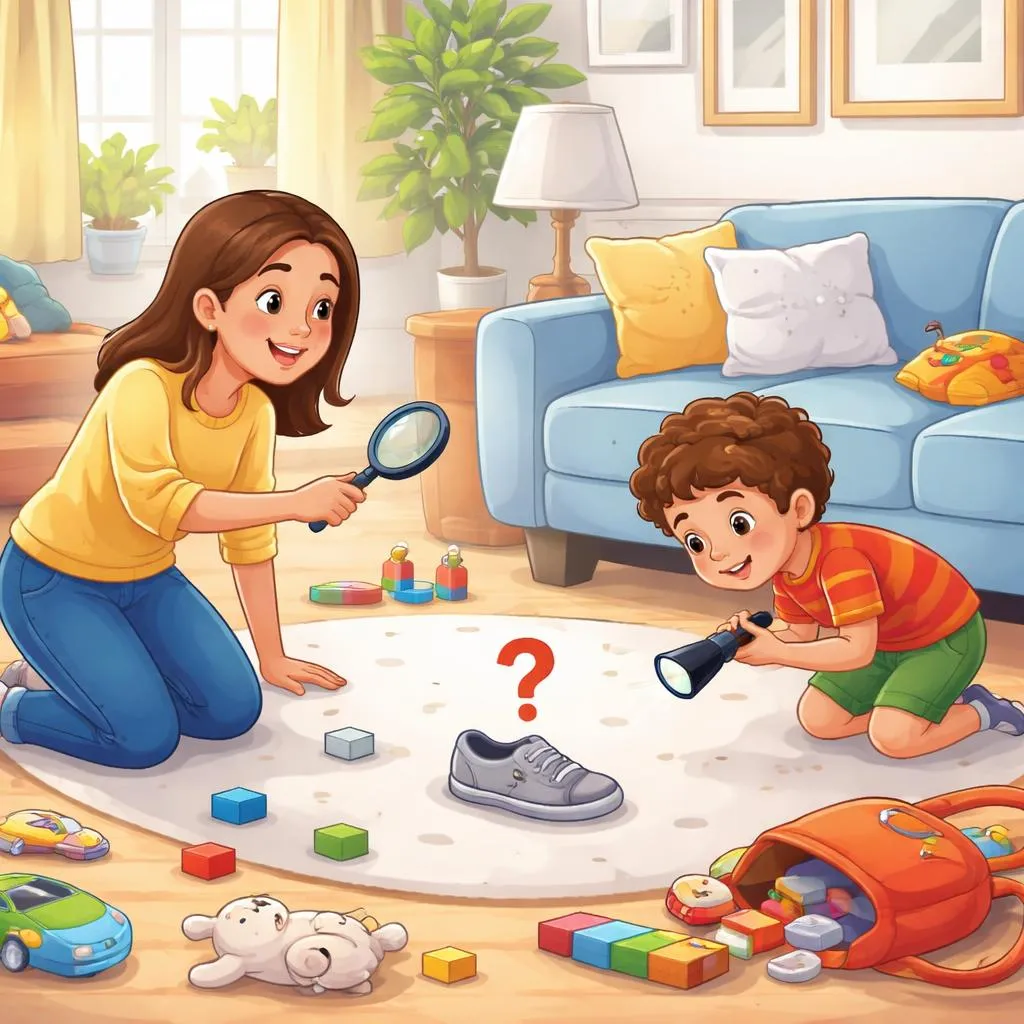
What Do These Expressions Mean? “Look for it” and “search for it” both tell someone to try to find a missing object. They instruct a child to use thei ...
Read More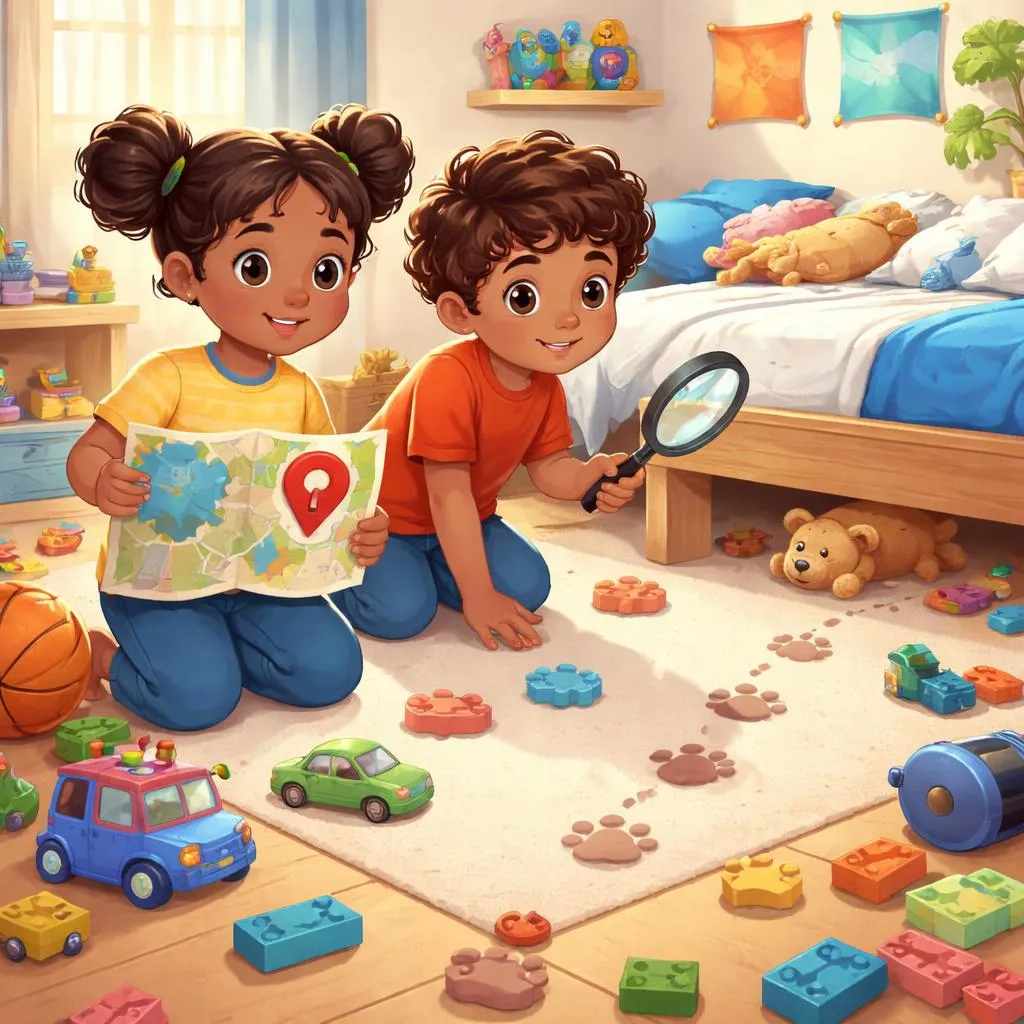
What Do These Expressions Mean? “Where is it?” and “what's its location?” both ask for the position of an object. They request information about where ...
Read More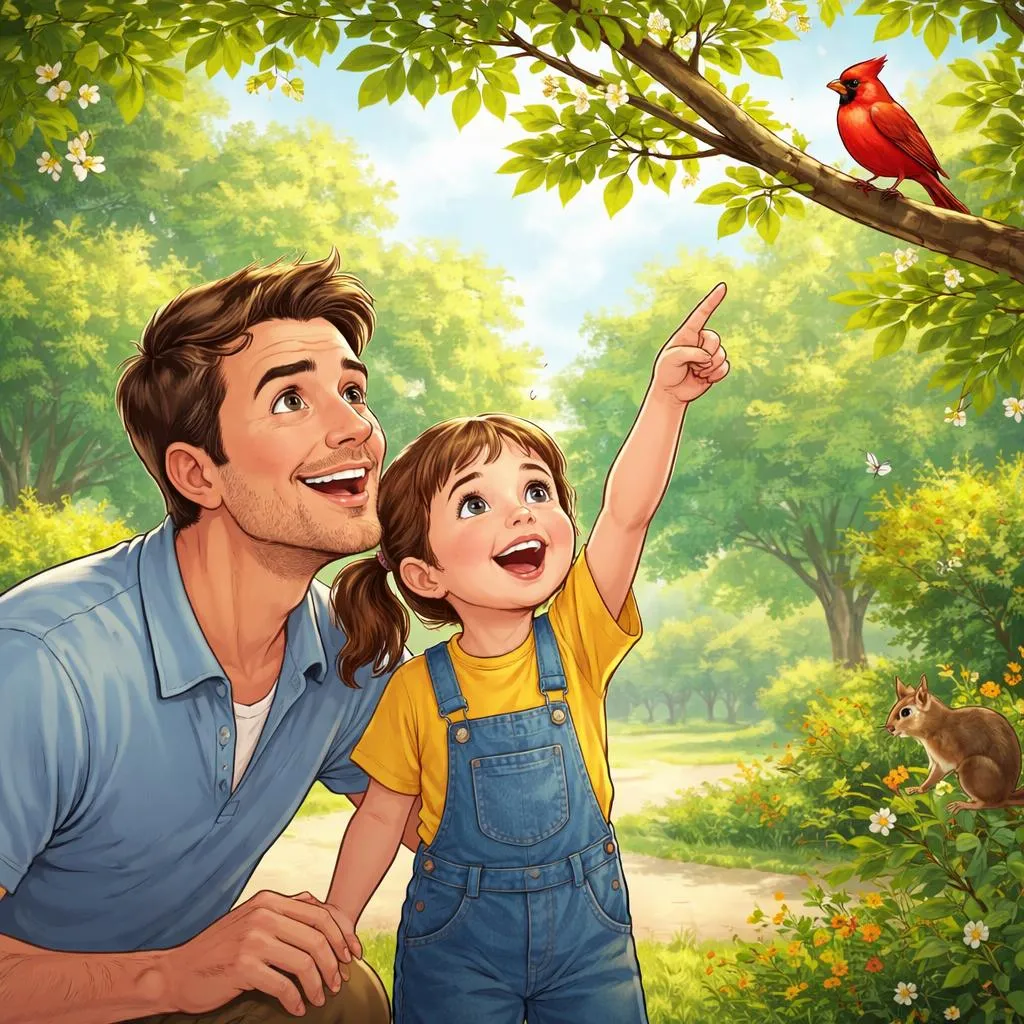
What Do These Expressions Mean? “There it is” and “look there” both direct someone's attention to a specific place. They tell a person to see somethin ...
Read More
What Do These Expressions Mean? “Here it is” and “there you go” are both phrases used when handing something to someone. They tell the person that you ...
Read More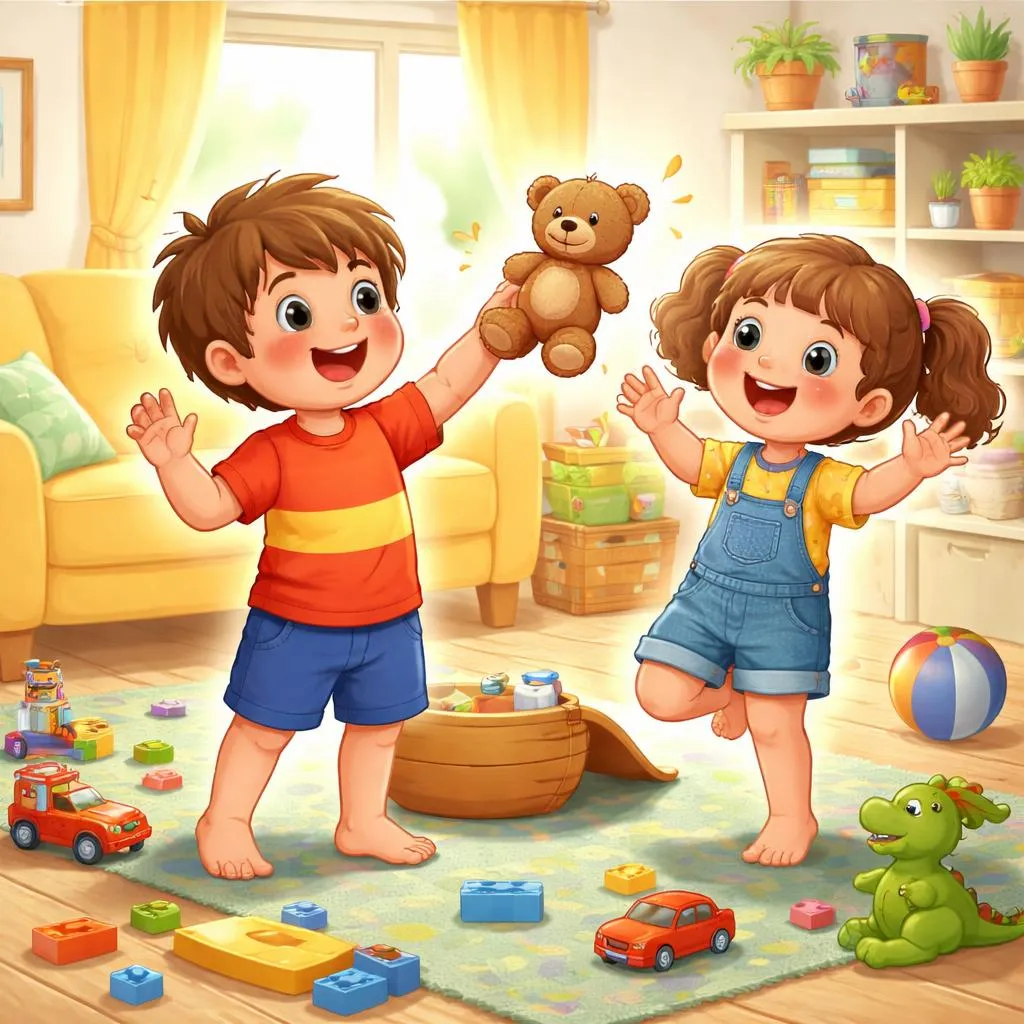
What Do These Expressions Mean? “Found it” and “here it is” both announce that a missing object has been located. They tell someone that the search is ...
Read More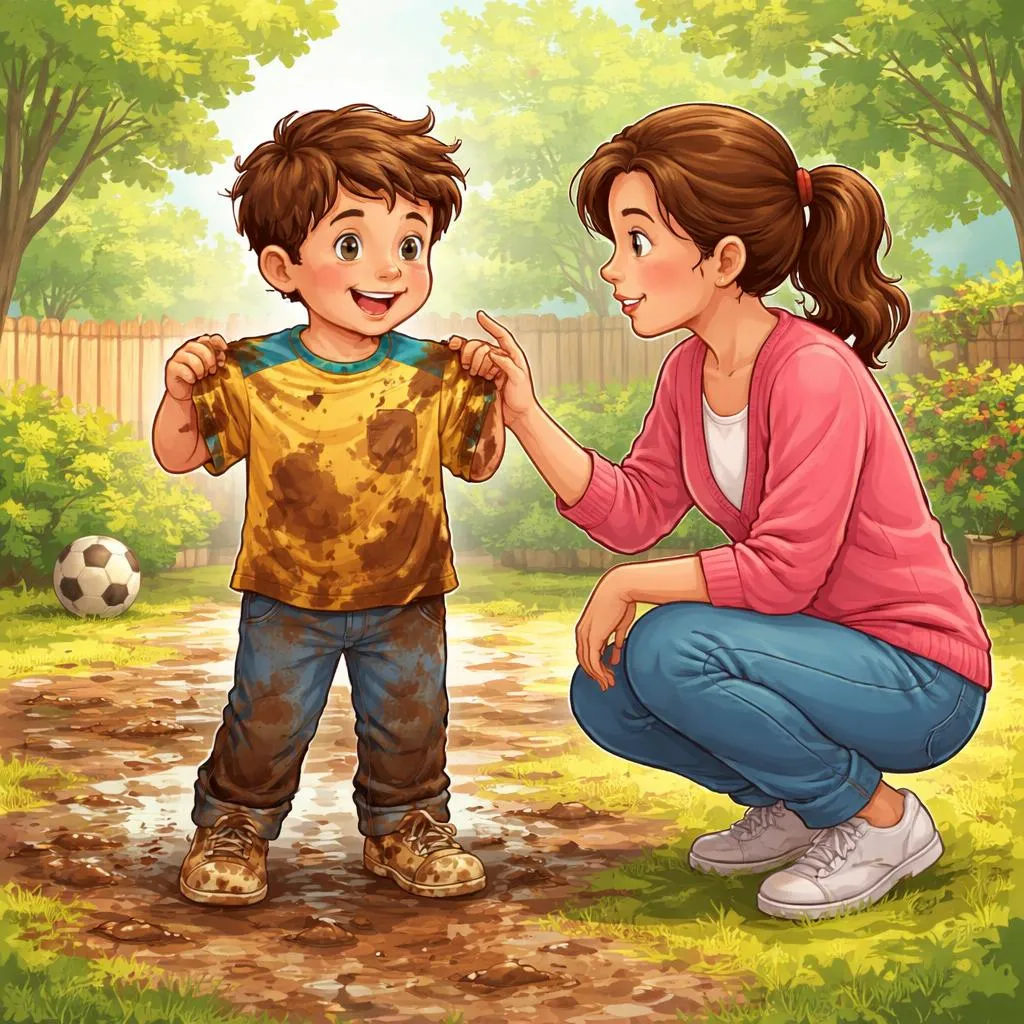
What Do These Expressions Mean? “It's dirty” and “it's soiled” both mean that something is not clean. They tell a parent that an object has marks, dus ...
Read More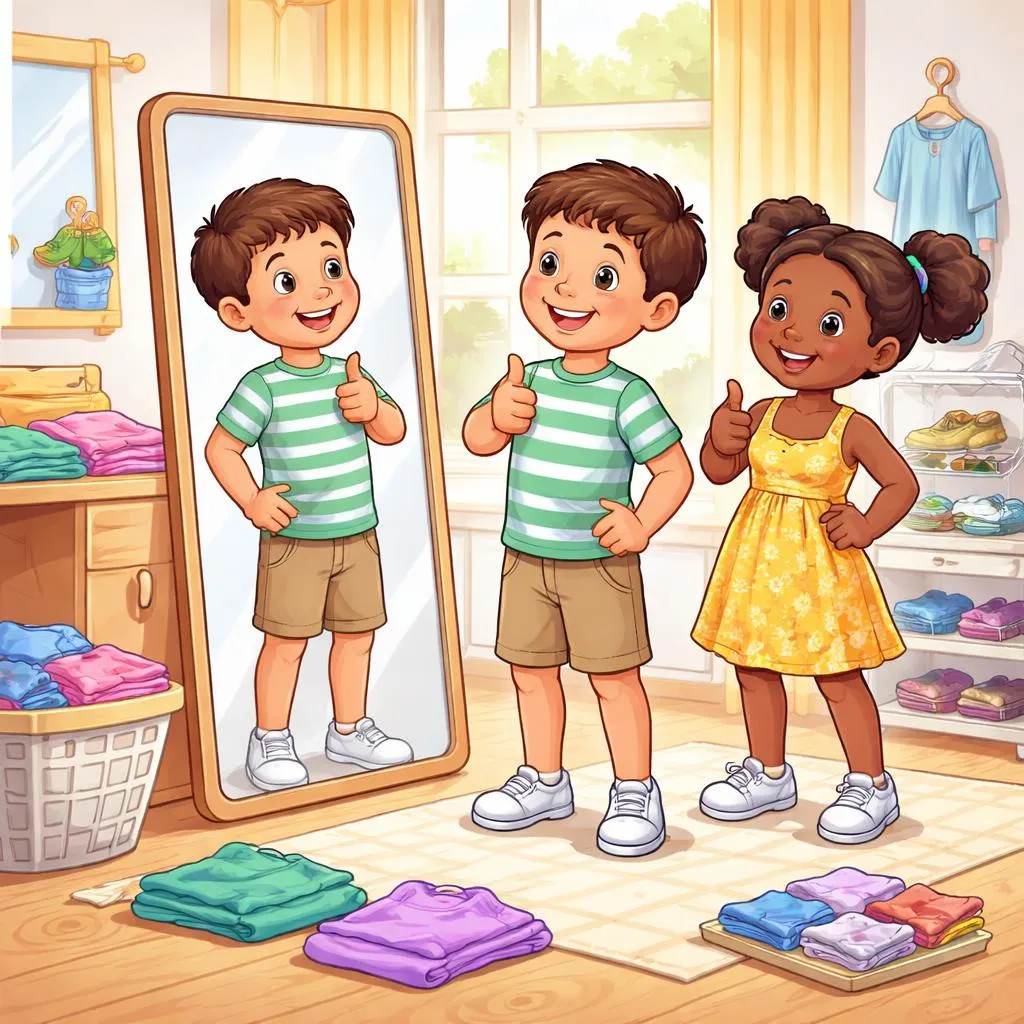
What Do These Expressions Mean? “Fits well” and “the right size” both describe clothing or items that are exactly the correct dimension. They tell som ...
Read More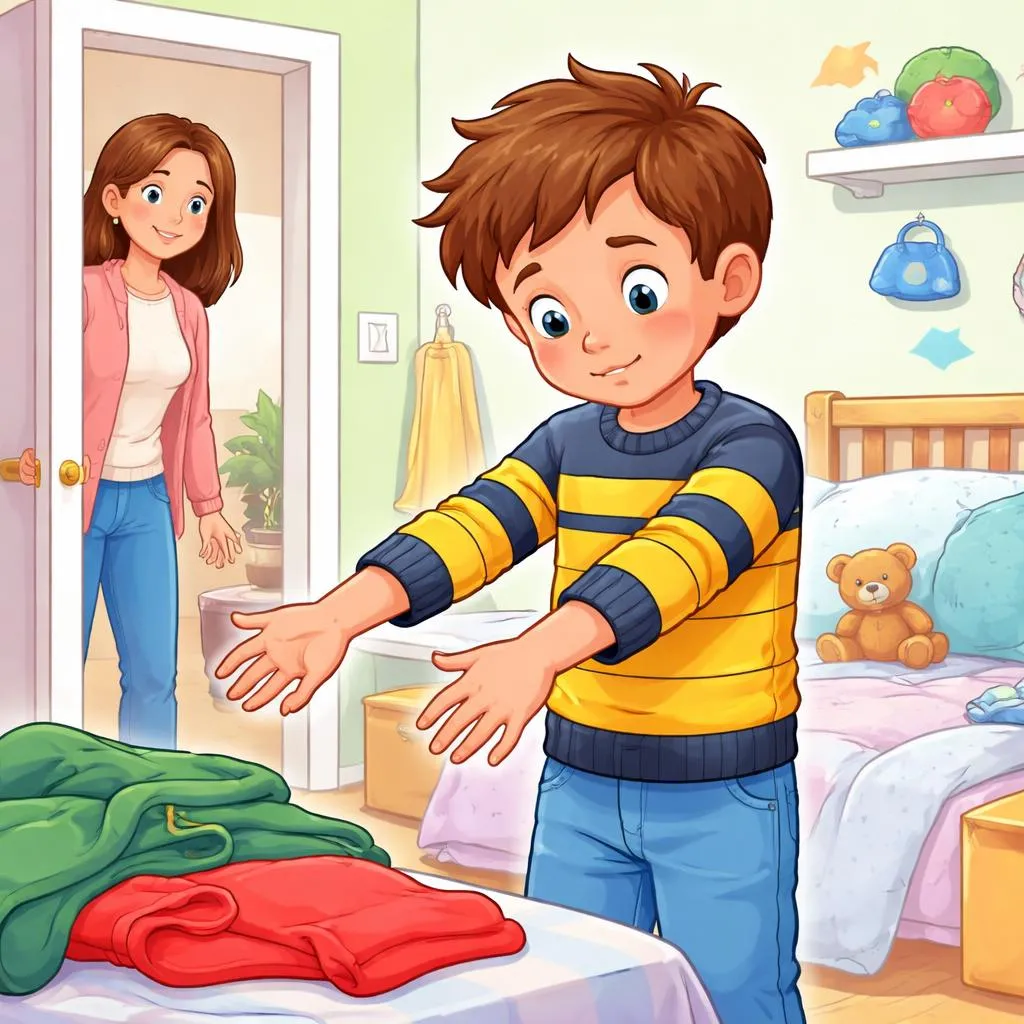
What Do These Expressions Mean? “Too small” and “undersized” both describe something smaller than what is needed or comfortable. They tell someone tha ...
Read More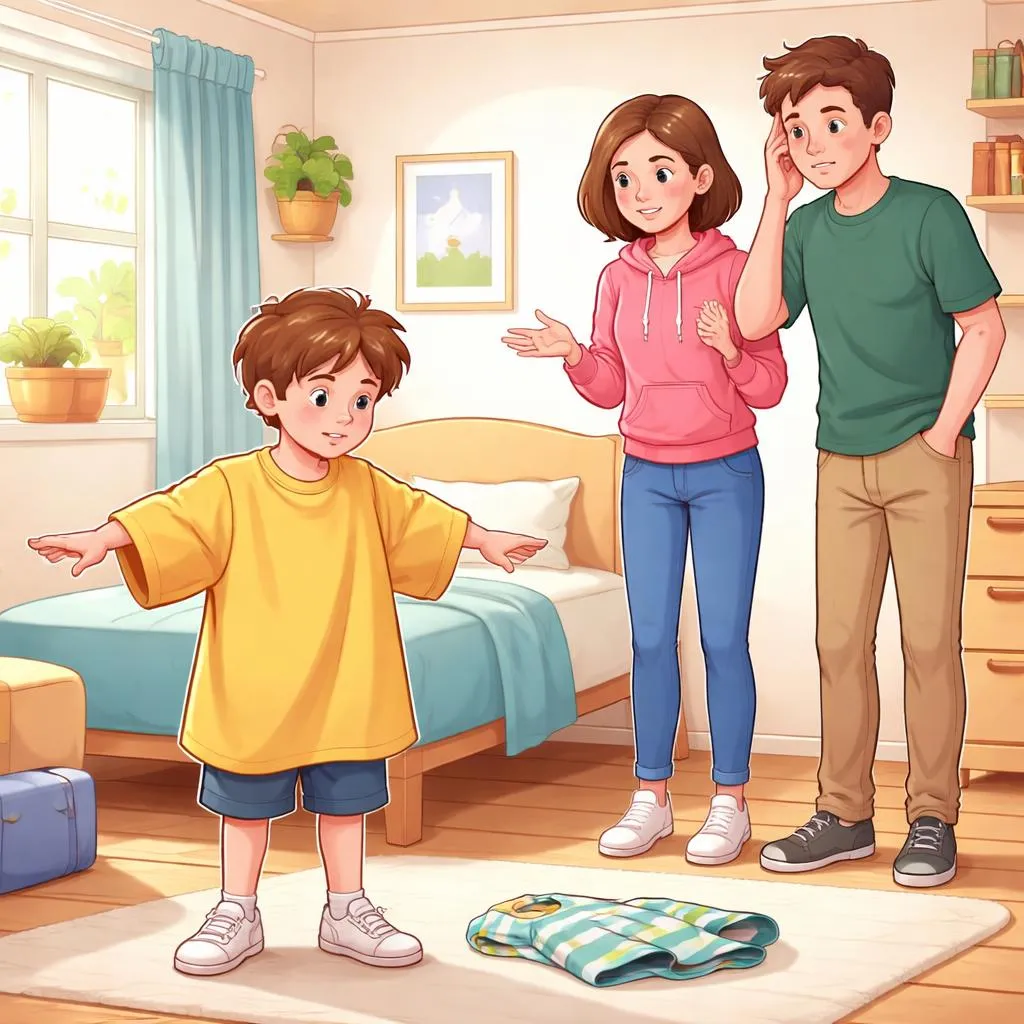
What Do These Expressions Mean? “Too big” and “oversized” both describe something larger than what is needed or comfortable. They tell someone that th ...
Read More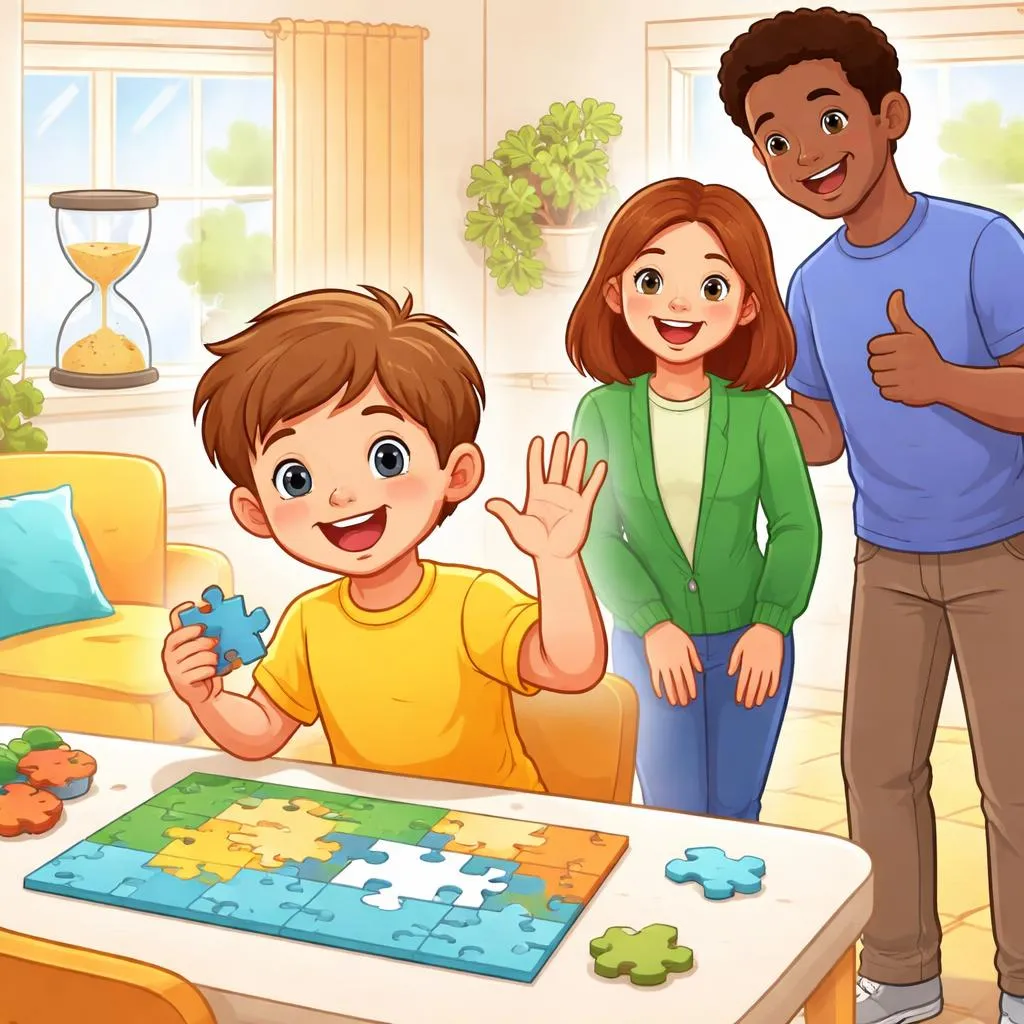
What Do These Expressions Mean? “Almost done” and “nearly finished” both tell someone that a task is close to ending. They announce that only a little ...
Read More
What Do These Expressions Mean? “Just a second” and “one moment” both tell someone that you will do what they asked in a very short time. They acknowl ...
Read More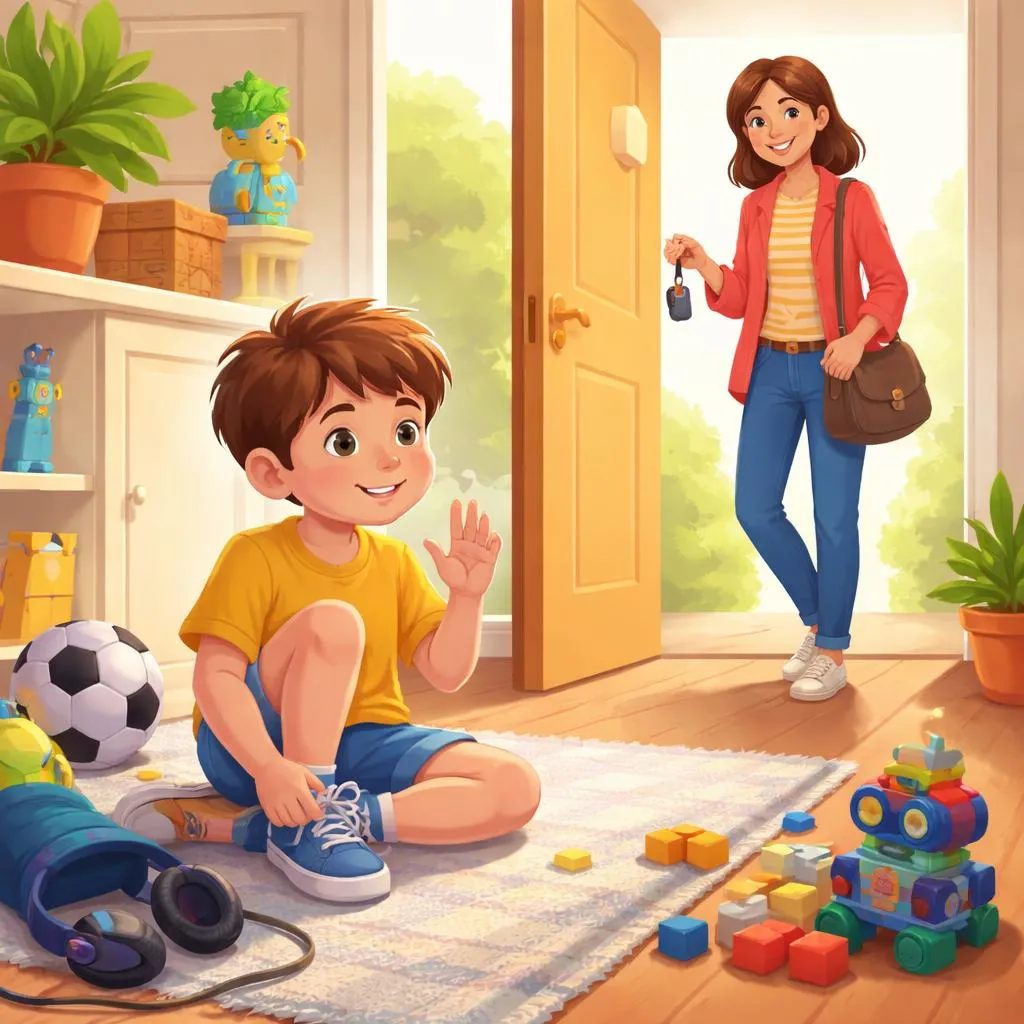
What Do These Expressions Mean? “In a minute” and “shortly” both tell someone that you will do something very soon. They indicate that a short amount ...
Read More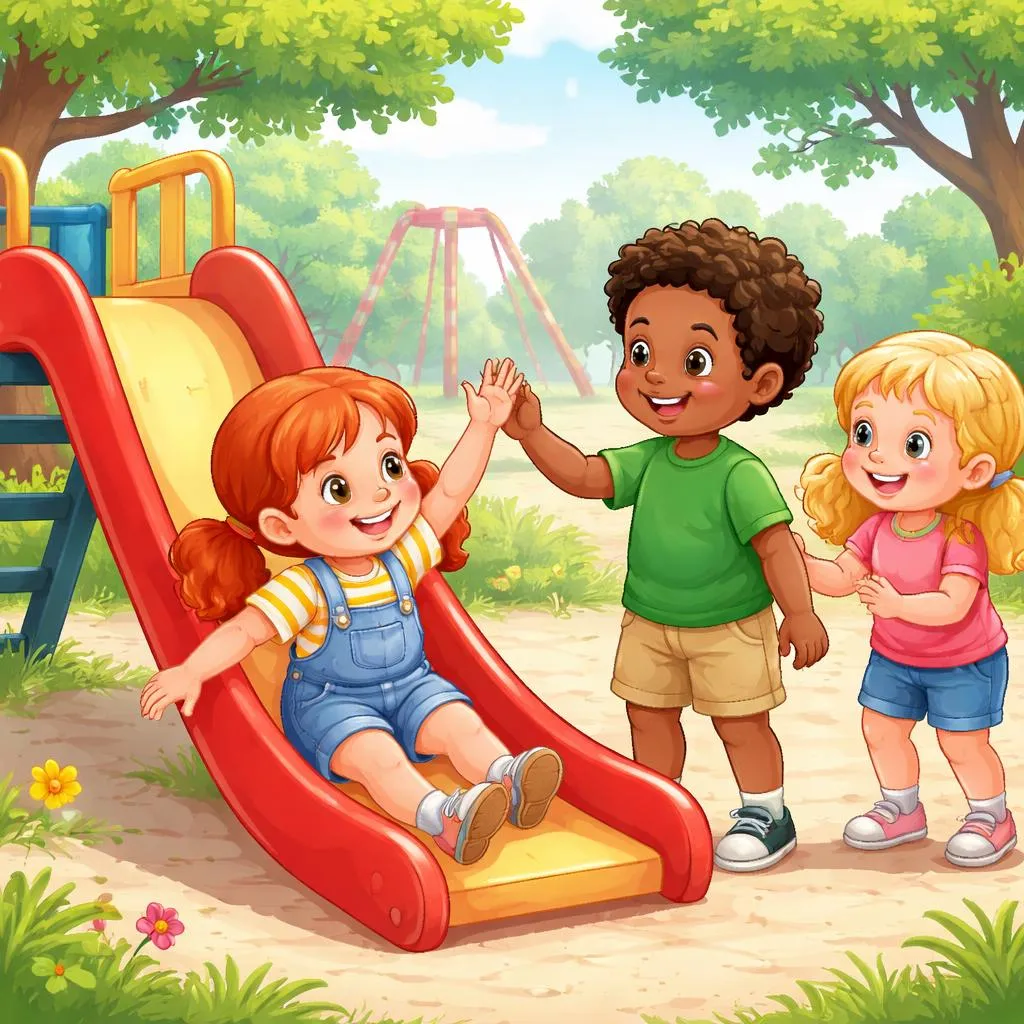
What Do These Expressions Mean? “It's your turn” and “you're next” both tell someone that they are the next person to play or use something. They pass ...
Read More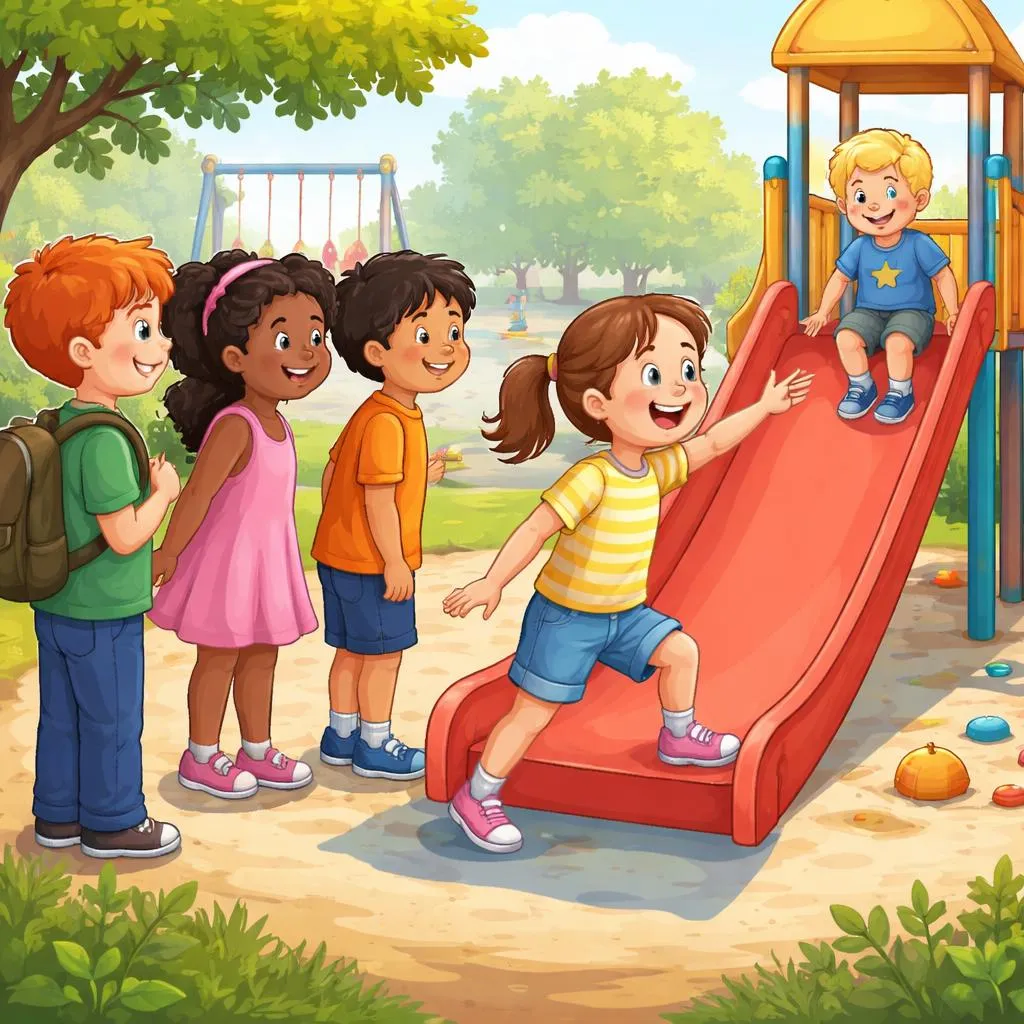
What Do These Expressions Mean? “It's my turn” and “my go now” both announce that a child has the right to use something next. They tell others that w ...
Read More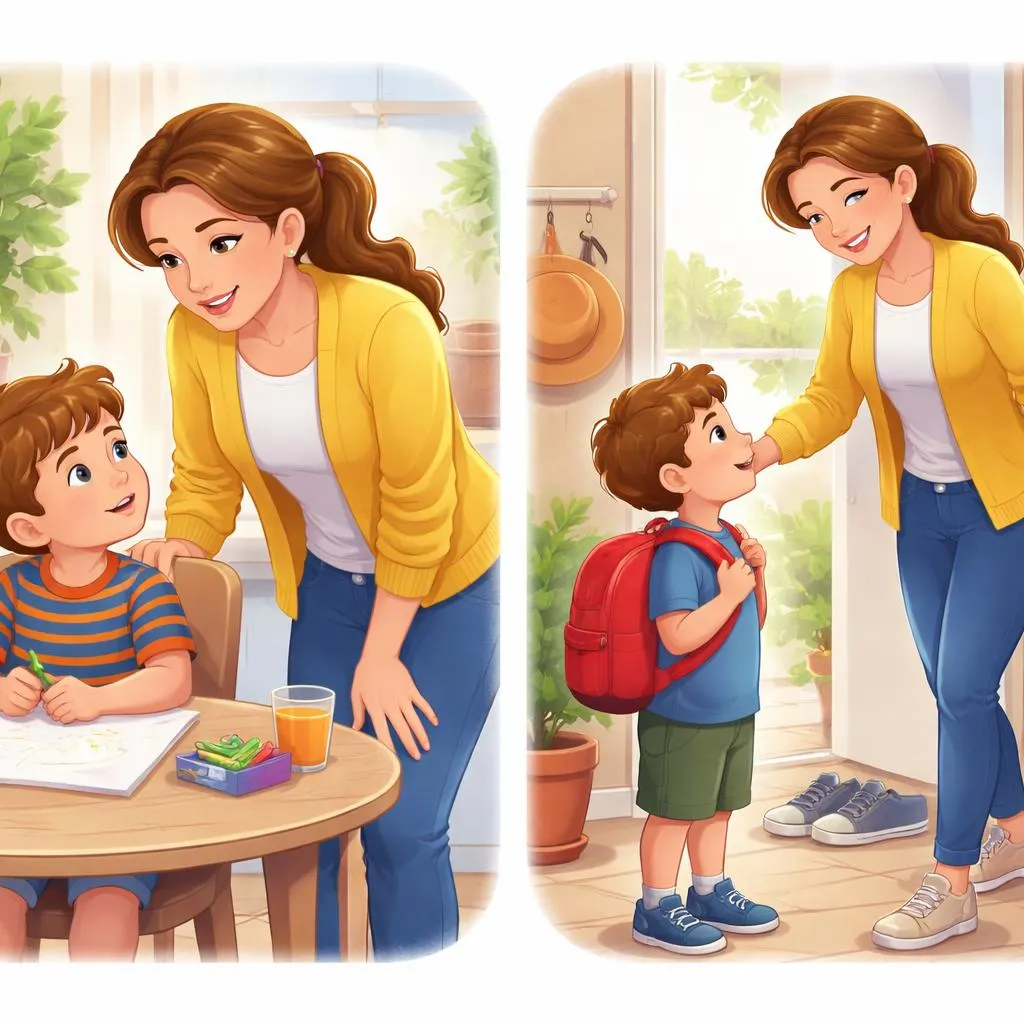
What Do These Expressions Mean? “Tell me” and “let me know” both ask someone to share information. They request that a person speaks or writes an answ ...
Read More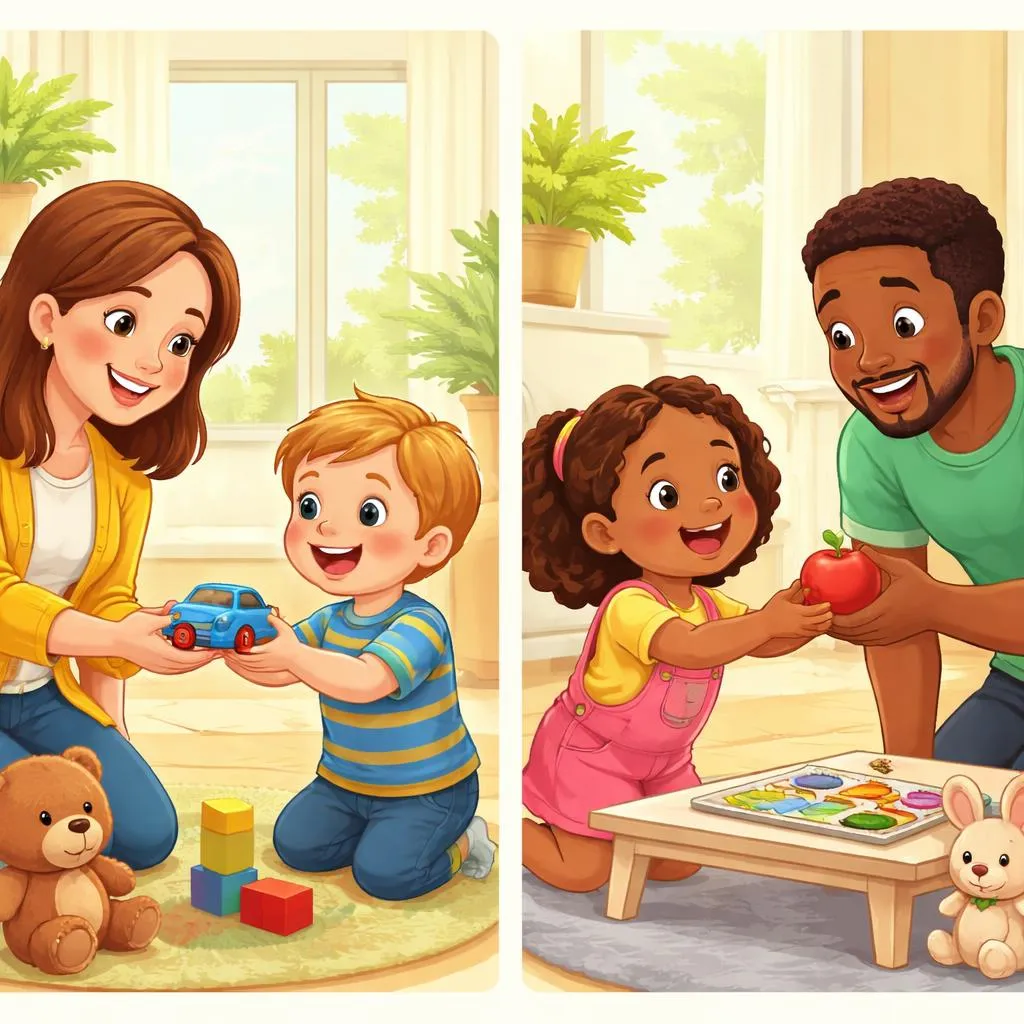
What Do These Expressions Mean? “Here you go” and “there you are” both accompany the act of giving. They tell someone that an item is being handed to ...
Read More
What Do These Expressions Mean? “Who is it?” and “who's there?” both ask for a person's identity. They seek the name or role of someone unknown. Child ...
Read More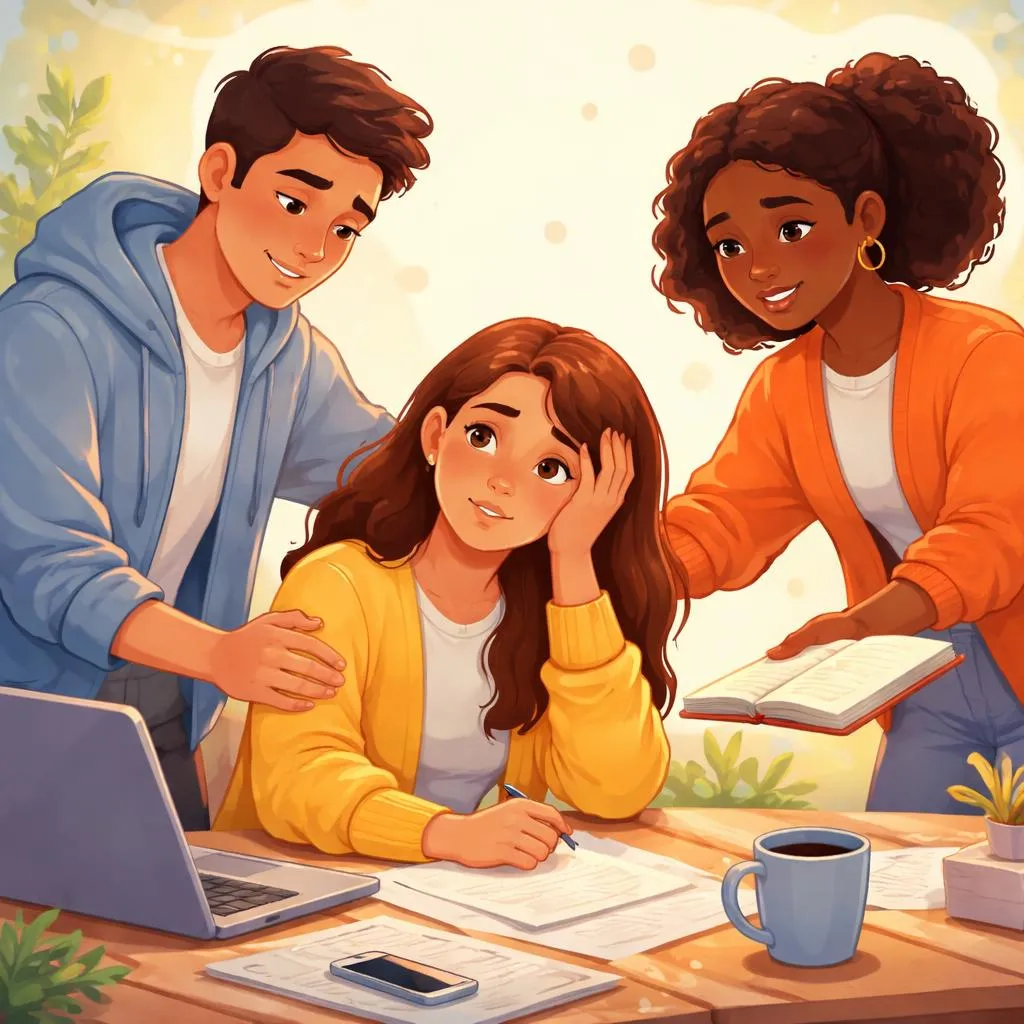
What Do These Expressions Mean? “Help me” and “assist me” both ask for support. They mean nearly the same thing. But one feels more natural in daily l ...
Read More
Four-year-olds are building longer sentences every day. They combine ideas. They add details. The building blocks of these sentences are called clause ...
Read More
Four-year-olds continue to amaze us with their language growth. They start with simple sentences. They learn compound sentences. They master complex s ...
Read More
Four-year-olds are amazing learners. They soak up language every day. They start with simple sentences. Then they move to compound sentences. Now they ...
Read More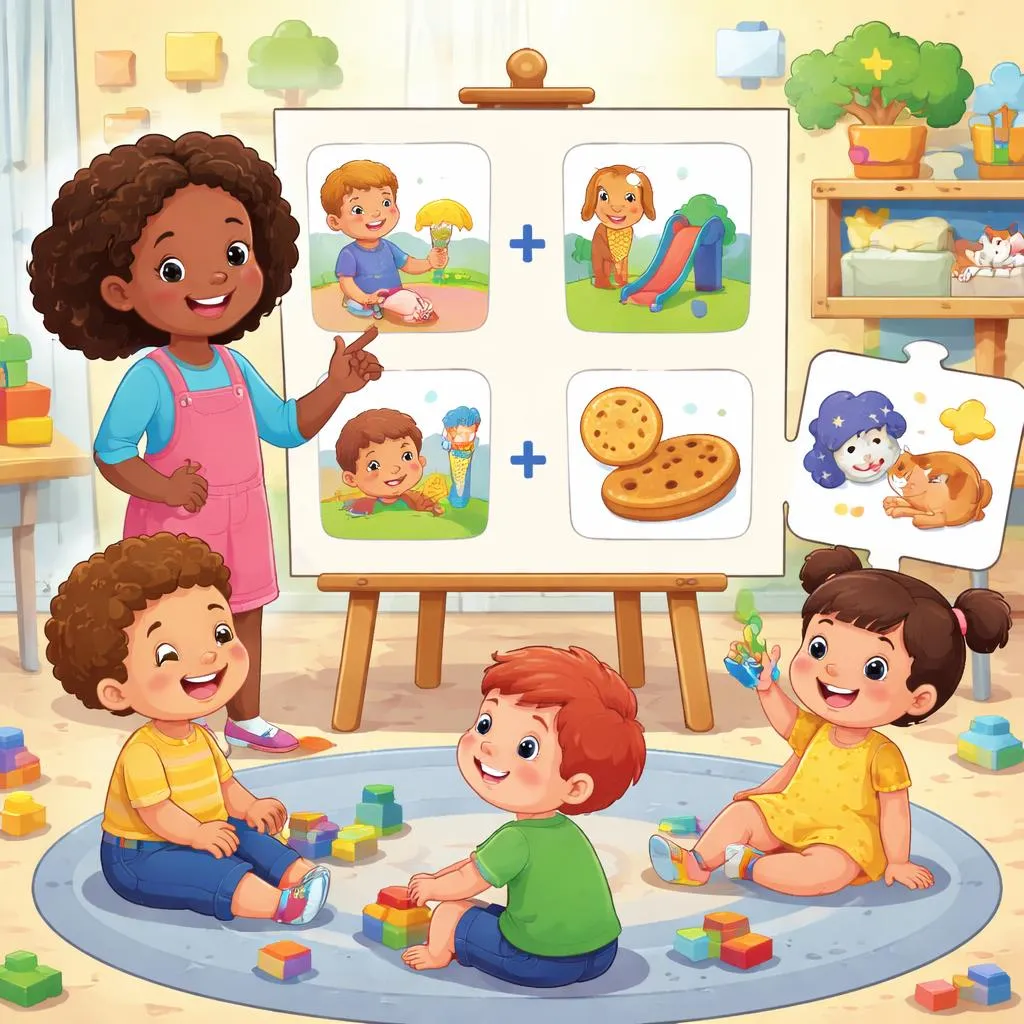
Four-year-olds are ready to connect ideas. They want to tell longer stories. They want to explain more. Compound sentences help them do this. A compou ...
Read More