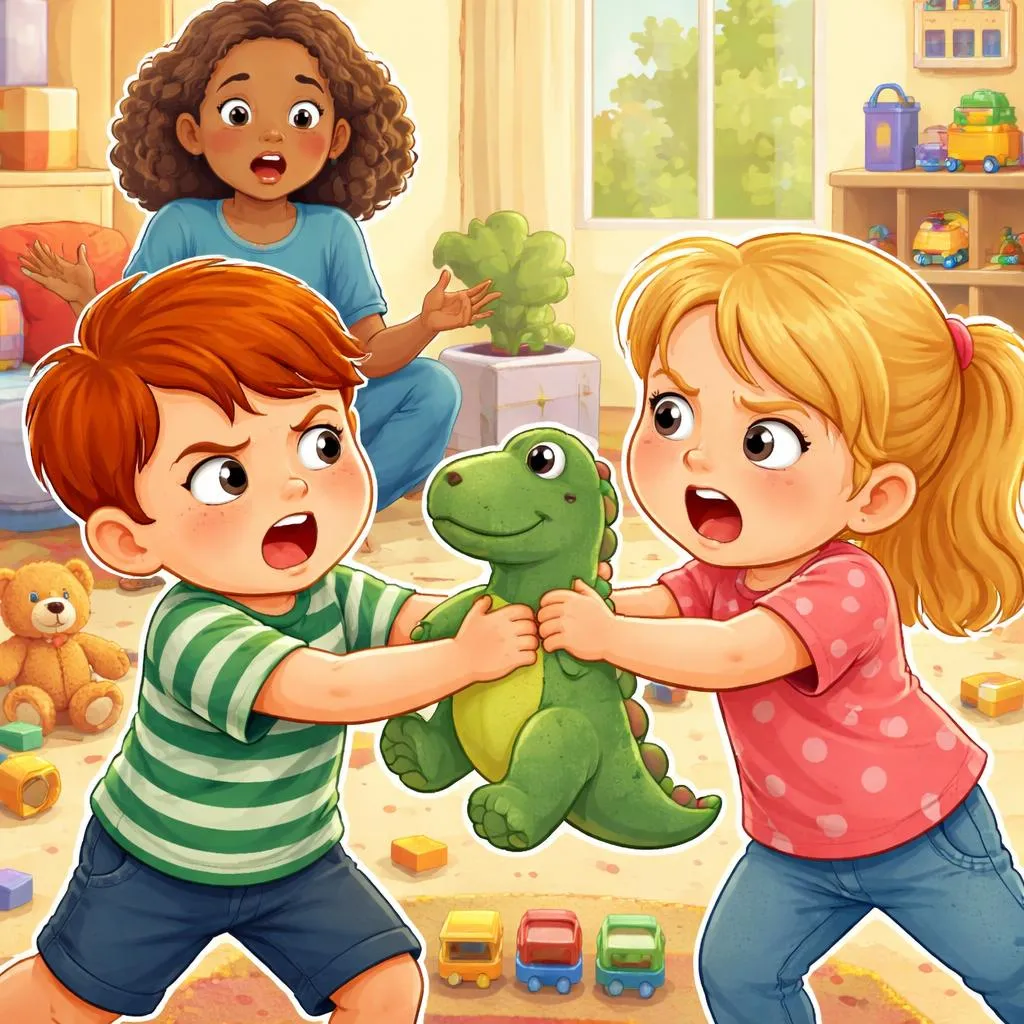

What Do These Expressions Mean? “That's mine” and “that belongs to me” both claim ownership of something. They tell someone that an object is your property. Children say these words when a toy or snack is taken. Both protect possessions.
“That's mine” means I own this thing. It is short and direct. A child says it when a friend grabs a favorite doll. It feels urgent and clear.
“That belongs to me” means this item is my property. It sounds more formal and explanatory. A child says it when explaining a rule to a friend. It feels calmer and more patient.
These expressions seem very similar. Both say “this is not yours.” Both stop someone from taking. But one is for quick moments while the other is for teaching moments.
What's the Difference? One is short and urgent. The other is longer and calmer. “That's mine” works best when someone takes something right now. It stops the action fast. It is perfect for the playground.
“That belongs to me” works best for explaining ownership. You use it when a child does not understand. It teaches, not just stops. It is better for younger children.
Think of a child grabbing a truck. “That's mine!” stops the grab. “That belongs to me” teaches the concept. One is a stop sign. One is a lesson.
One is for conflict. The other is for conversation. “That's mine” ends an argument quickly. “That belongs to me” starts a teaching moment. Choose based on the situation.
Also, “mine” is a possessive pronoun. “Belongs to me” is a verb phrase. Mine is shorter. Belongs to me is kinder. Both are correct. Both have their place.
When Do We Use Each One? Use “that's mine” for quick, urgent moments. Use it when someone is taking your thing right now. Use it when you need immediate action. It fits playgrounds and homes.
Examples at home: “That's mine. Give it back please.” “Hey, that's mine. I was using it.” “That's mine. You can have a turn later.”
Use “that belongs to me” for teaching moments. Use it when a child does not understand sharing yet. Use it when you want to explain ownership calmly. It fits gentle conversations.
Examples for teaching: “That belongs to me. When I'm done, you can use it.” “The blue cup belongs to me. The red one is yours.” “This book belongs to me. Let's find one for you.”
Children need both phrases. “That's mine” protects in the moment. “That belongs to me” builds understanding. One for action. One for learning.
Example Sentences for Kids That's mine: “That's mine. I had it first.” “Please don't touch. That's mine.” “That's mine! Ask before you take.”
That belongs to me: “That stuffed animal belongs to me. It was a gift.” “The crayon box belongs to me. You can borrow one.” “This seat belongs to me. I was sitting here.”
Notice “that's mine” stops taking fast. “That belongs to me” explains ownership slowly. One is a shield. One is a lesson. Both protect what is yours.
Parents can use both with children. When a toy is grabbed: “that's mine.” When explaining sharing: “this belongs to me right now.” Children learn different tools for different moments.
Common Mistakes to Avoid Some children say “that's mine” too much about shared things. A shared marker is not “mine.” It is “ours.” Teach the difference between personal and shared. Not everything belongs to one person.
Wrong: “That's mine” (school crayon). Right: “That's ours” or “that's the class crayon.”
Another mistake: grabbing while shouting “that's mine.” Words without gentle hands start fights. Say the words. Keep your hands kind. Ask for the item back politely first.
Wrong: Shouting “that's mine!” and grabbing. Right: “That's mine. Please give it back.”
Some learners forget to share after protecting. “That's mine” does not mean “never share.” You can say “that's mine, but you can have a turn soon.” Ownership and kindness live together.
Also avoid saying “that belongs to me” in a whining voice. It sounds like a complaint. Say it calmly, like a teacher. Calm words work better.
Easy Memory Tips Think of “that's mine” as a quick hand. The hand reaches out to stop a grab. Fast and protective. Action words.
Think of “that belongs to me” as a calm explanation. You sit down. You point. You teach. Slow and kind. Learning words.
Another trick: remember the length. “Mine” has one beat. “Belongs to me” has four beats. One for quick stop. Four for patient talk. Match the length to the moment.
Parents can say: “Mine for stop. Belongs for the lesson drop.” That means when someone takes, say “mine.” When someone doesn't understand, explain “belongs to me.”
Practice at home. Pretend a friend takes a toy. Say “that's mine.” Then pretend the friend asks why. Say “it belongs to me.” Two different situations. Two different phrases.
Quick Practice Time Let us try a small exercise. Choose the better phrase for each situation.
A friend grabs your new pencil from your hand. You need it back now. a) “That pencil belongs to me.” b) “That's mine. Please give it back.”
A younger sibling keeps taking your crayons. They don't understand ownership. a) “That's mine!” (again) b) “These crayons belong to me. Let me show you which are yours.”
Answers: 1 – b. A quick grab needs the fast “that's mine.” 2 – b. A teaching moment needs the patient “belongs to me.”
Fill in the blank: “When my brother takes my book without asking, I say ______.” (“That's mine” works for the immediate take-back.)
One more: “When my cousin asks why I have the blue cup every day, I explain ______.” (“That belongs to me” teaches the concept of permanent ownership.)
Knowing what is yours is important. So is sharing and kindness. “That's mine” protects. “That belongs to me” teaches. Both help you grow into a kind, strong person.
Wrap-up “That's mine” protects your things in the moment. “That belongs to me” explains ownership kindly. Use “mine” for quick stops. Use “belongs to me” for patient teaching. Both phrases are honest. Your things matter. Your kindness matters more. Balance both.