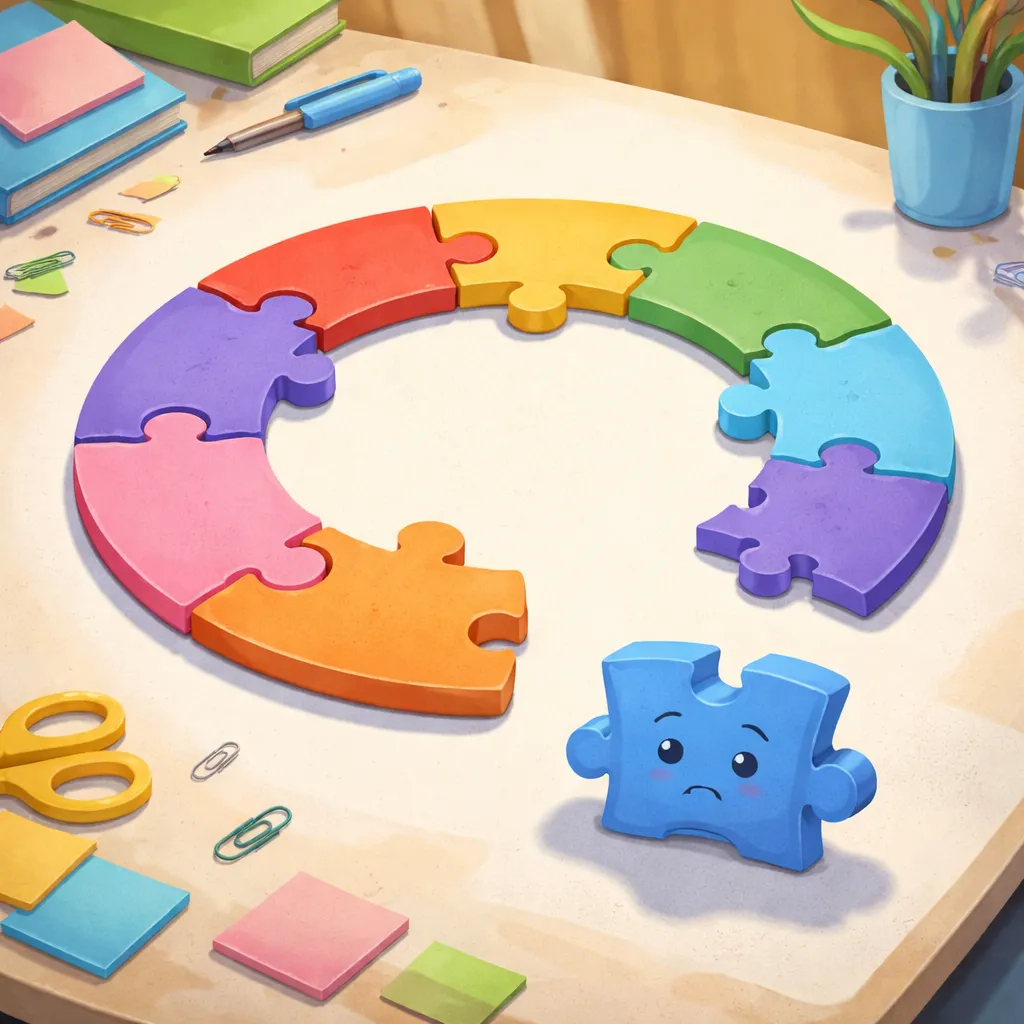

Words about leaving things out appear often. Two common words are “excluded and omitted.” They both mean not included. But they carry different feelings. One focuses on people or groups. The other focuses on words or tasks. Children need to know this difference. Parents can help by showing real examples. This article compares “excluded and omitted” clearly. We will look at frequency, context, and emotional weight. We will also explore formal and casual uses. By the end, your family will use these words with confidence. Let us begin this gentle learning journey.
Are Similar Words Really Interchangeable?
“Excluded and omitted” share a basic meaning. Both describe something left out. But you cannot always swap them. For example, “She omitted my name from the list” sounds correct. “She excluded my name from the list” also works. However, “They excluded me from the game” sounds natural. “They omitted me from the game” sounds strange. People are not items on a list. So the difference matters. “Exclude” applies to people, groups, or categories. “Omit” applies to words, details, or steps. Children learn this slowly. That is fine. Parents can point out examples in daily reading. A recipe omits an ingredient. A team excludes a player. Understanding this distinction builds better communication.
Set 1: Excluded vs Omitted — Which One Is More Common?
“Excluded” appears more often in daily life. People talk about social exclusion frequently. Schools discuss excluding students from activities. Parents say “Don’t exclude your sister.” So “excluded” covers many social situations. “Omitted” appears less often. It belongs more to writing and editing. You omit a sentence. You omit a detail. You omit a step in instructions. So “omitted” lives in the world of text and tasks. Teach children “excluded” first. It matters more for friendships and feelings. Then introduce “omitted” for schoolwork and lists. A child who feels left out needs the word “excluded.” A child who forgets a homework step has omitted something. Both words are useful. But “excluded” connects to emotions. That makes it more urgent for young learners.
Set 2: Excluded vs Omitted — Same Meaning, Different Contexts
Sometimes these words overlap. “The report excluded the final section” works. “The report omitted the final section” also works. Both describe missing content. But the context changes the nuance. “Excluded” suggests a conscious choice. Someone decided to leave that section out. “Omitted” suggests a possible accident. Someone forgot or overlooked that section. For example, a teacher excludes a question from a test on purpose. A student omits a question by mistake. So “excluded” carries intention. “Omitted” carries possibility of error. Children can feel this difference. Ask them: “Did they mean to leave it out, or did they forget?” If they meant to, use “excluded.” If they forgot, use “omitted.” This simple question guides the choice.
Set 3: Excluded vs Omitted — Which Word Is “Bigger” or More Emphatic?
“Excluded” feels bigger and heavier. It often involves people or belonging. When a child feels excluded from a game, that hurts deeply. “Omitted” feels smaller and lighter. You omit a word from a sentence. That does not cause emotional pain. So “excluded” carries more weight. It signals rejection or separation. “Omitted” signals incompleteness or oversight. For example, “The team excluded the new player” sounds harsh. “The team omitted the new player’s name by accident” sounds fixable. The first sentence needs a conversation. The second sentence needs a pen. Parents should listen for this difference. When a child says “excluded,” respond with care. When a child says “omitted,” help them fix the mistake. The emotional size differs greatly.
Set 4: Excluded vs Omitted — Concrete vs Abstract
“Excluded” is often concrete. You exclude a person from a room. You exclude an item from a box. You can see the exclusion happening. “Omitted” is more abstract. You omit a word from a paragraph. You omit a step from a process. Words and steps are not physical things. So “omitted” describes an absence in information. “Excluded” describes an absence in physical or social space. For example, “The party excluded children” is concrete. You see no children at the party. “The invitation omitted the time” is abstract. You see missing information on paper. Children grasp concrete ideas first. Start with “excluded” for younger kids. They understand physical leaving out. Older children can handle the abstraction of “omitted.” Use concrete examples to explain. “Remember when you wrote a story and forgot a word? That is omit.”
Set 5: Excluded vs Omitted — Verb or Noun? First Understand the Role
Both words work as verbs in past tense. “Exclude” and “omit” are the base forms. Their noun forms differ. “Exclusion” is the noun for “excluded.” “Omission” is the noun for “omitted.” Both nouns appear in formal writing. For example, “His exclusion from the team surprised everyone.” “The omission of her name was an accident.” Children learn verbs first. That is fine. But knowing nouns adds precision. Teach “excluded” as an action or state. “They excluded me from the circle.” Then teach “omitted” as an action. “She omitted the last sentence.” For nouns, focus on “exclusion” and “omission.” Practice making sentences with both forms. “The exclusion hurt my feelings. The omission was just a typo.” This builds strong grammar.
Set 6: Excluded vs Omitted — American English vs British English
Both words work similarly in American and British English. However, “omitted” appears slightly more in British writing. British English values precision in editing and publishing. American English uses “left out” more often in casual speech. But “omitted” remains common in both regions. “Excluded” is universal. No major difference exists. One small note: British schools use “exclusion” as a formal discipline term. “Permanent exclusion” means expulsion. American schools say “expelled” more often. So the noun forms have different weights. For everyday use, both regions understand both words. Teach children both. Let them hear examples from books and shows. A British novel might say “She omitted the detail.” An American cartoon might say “They excluded him from the game.” Both are correct. Focus on meaning, not accents.
Set 7: Excluded vs Omitted — Which Fits Formal Situations?
Formal situations prefer “excluded” for people and rules. “Applicants over age 12 are excluded” sounds proper. “Omitted” works for documents and data. “The report omitted key statistics” sounds professional. Legal language uses both. “The contract excludes liability for accidents.” “The affidavit omitted material facts.” So both have formal uses. But “excluded” feels stronger in rules and policies. “Omitted” feels more neutral in editing. For school essays, teach children to use “excluded” for groups. “The study excluded non-native speakers.” Use “omitted” for content. “The paragraph omitted transitional phrases.” This distinction impresses teachers. It shows advanced vocabulary control. Practice writing formal sentences together. “Our family rules exclude shouting. Your list omitted milk.” Simple but effective.
Set 8: Excluded vs Omitted — Which One Is Easier for Kids to Remember?
“Excluded” is easier for young children. It sounds like “exclude” with a clear “ed” ending. Many children know “include” from school. “Everyone is included” is a common phrase. So “excluded” builds on known vocabulary. “Omitted” is harder. It has three syllables: o-mit-ted. The “mit” sound appears less often. Children might say “omitted” or forget the double t. Start with “excluded.” Use it in simple sentences. “You are not excluded. We play together.” That builds confidence. Then introduce “omitted” around age eight. Connect it to writing. “When you forget a word in a sentence, you omitted it.” Use drawings. Draw a sentence with a blank space. Label the blank “omitted.” Also use gestures. For “excluded,” make a pushing-away motion. For “omitted,” tap your head as if remembering. Physical memory aids learning. Practice both words weekly. Within a month, both will feel natural.
Mini Exercise: Can You Spot the Differences Between These Similar Words?
Let us practice together. Read each sentence. Choose “excluded” or “omitted.” Parents and children can answer together.
The teacher ______ the last question from the test on purpose. (excluded / omitted)
I accidentally ______ a step from the recipe directions. (excluded / omitted)
The older kids ______ the younger ones from their club. (excluded / omitted)
Your essay ______ the conclusion paragraph entirely. (excluded / omitted)
The new rule ______ anyone who arrives after 9 AM. (excluded / omitted)
Answers: 1. excluded (conscious choice to leave out), 2. omitted (accidental missing step), 3. excluded (people and social situation), 4. omitted (content from writing), 5. excluded (rule about people).
Now create your own examples. Write two stories. One where a child feels excluded. One where a writer omits a word. Share them with a parent. Explain why you chose each word. This exercise takes ten minutes. It builds vocabulary and empathy together.
Parent Tips: How to Help Kids Learn and Remember Similar Words
Parents, you guide language growth every day. Here are gentle ways to teach “excluded and omitted” at home.
First, use the words during daily activities. Setting the table? Say “We excluded the blue cups today.” Writing a shopping list? Say “I omitted eggs by mistake.” Real moments create real learning.
Second, play the “Exclude or Omit” game. Describe a situation. Ask your child to choose the correct word. “The team left out the slow runner. Exclude or omit?” Answer: exclude. “The book left out chapter three. Exclude or omit?” Both work, but omit is better for content.
Third, read drafts together. Look at your child’s writing. Ask “Did you omit any words by accident?” Also ask “Did your story exclude any important details?” This connects vocabulary to real editing.
Fourth, use sticky notes. Write “excluded” on a red note. Write “omitted” on a yellow note. When you see an example in a book, place the note on that page. Build a collection over time.
Fifth, separate intention from accident. When your child leaves something out, ask “Did you mean to do that?” If yes, call it excluded. If no, call it omitted. This builds honesty and precision.
Sixth, celebrate corrections. When your child fixes an omission, say “Great catch! You found the omitted word.” When your child includes someone, say “You did not exclude them. That is kind.” Positive feedback sticks.
Finally, be patient with mistakes. Language learning takes years. If your child says “I omitted my brother from the game,” gently say “That is exclude, because people are involved. Omitted is for words.” No shame. Just redirect. Your calm teaching builds a confident speaker. Together, you will master “excluded and omitted.” Then you can explore the next word pair. English is a journey. Enjoy every step.