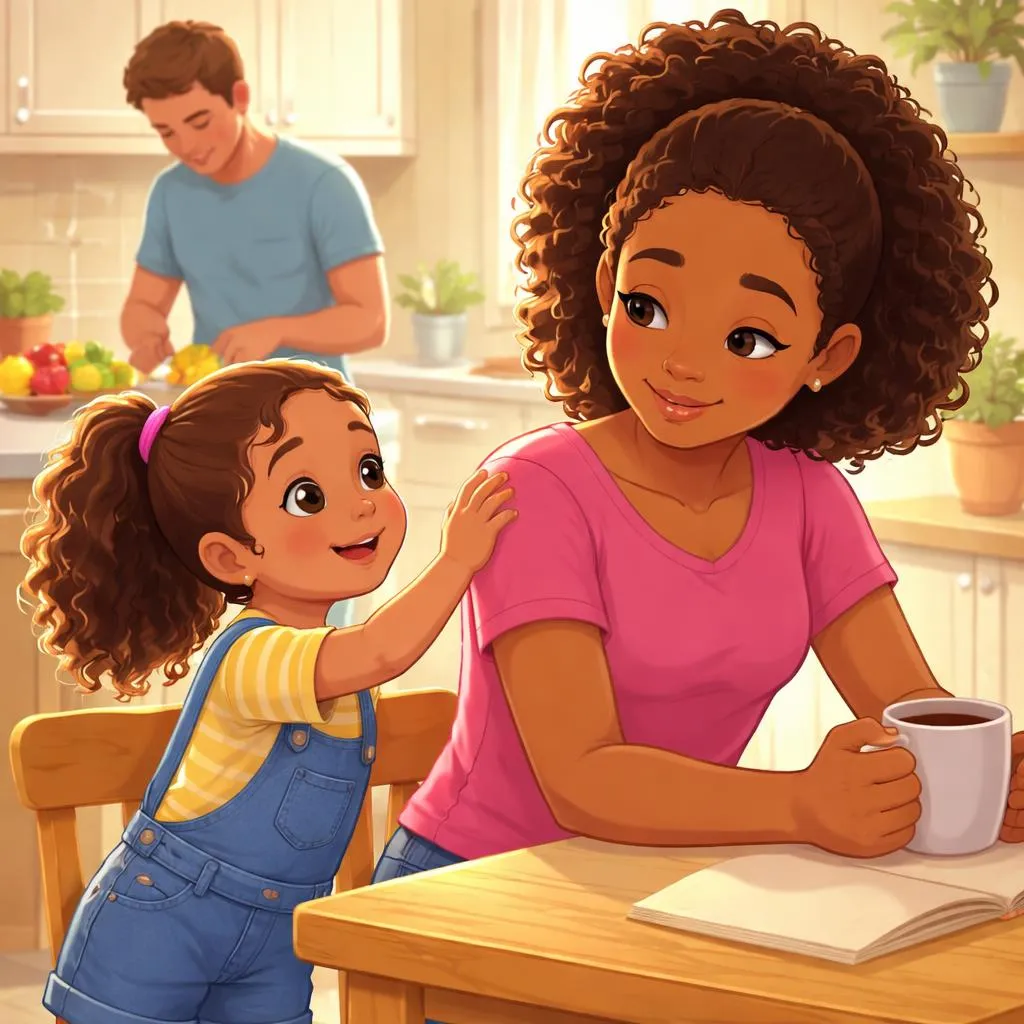

What Do These Expressions Mean? “Excuse me” and “pardon me” both politely interrupt or apologize for a small disturbance. They tell someone that you are sorry to bother them or need their attention. Children hear these words at dinner tables, stores, and classrooms. Both show good manners.
“Excuse me” means please forgive me for this small interruption. It is common and friendly. A child says it when reaching across the table. It feels natural and polite.
“Pardon me” means please forgive me as well. It sounds slightly more formal and old-fashioned. An adult says it when sneezing or bumping into someone. It feels gentler but less common.
These expressions seem very similar. Both apologize for a small inconvenience. Both get someone's attention politely. But one is for everyday while one is for extra formal moments.
What's the Difference? One is for daily life. One is for formal or soft moments. “Excuse me” works for almost every situation. Getting attention. Passing by. Burping. Sneezing. It is the perfect, standard choice.
“Pardon me” is a bit more formal or delicate. You might say it when you did not hear someone. Or when you make a small social mistake. It is less common in children's speech.
Think of a child in a crowded hallway. “Excuse me, please” is perfect. “Pardon me, please” also works but sounds very formal. One matches a child's voice. One sounds like a butler.
One is for getting attention. The other is for apologizing for minor things. “Excuse me” starts a question or request. “Pardon me” often comes after a sneeze or bump. Use the first to begin. Use the second to apologize.
Also, “pardon me” is sometimes used when you did not hear. “Pardon me? What did you say?” works. “Excuse me? What did you say?” also works. Both are fine. One is a bit softer.
When Do We Use Each One? Use “excuse me” for most situations. Use it to get attention, pass by, or interrupt politely. Use it after a burp or small noise. It fits daily life.
Examples at home and school: “Excuse me, can I have more juice?” “Excuse me, I need to get to my seat.” “Excuse me. I didn't mean to bump you.”
Use “pardon me” for formal moments or very soft apologies. Use it when you sneeze, cough, or make a small social error. Use it when you want to sound extra polite. It fits gentle moments.
Examples for formality: “Pardon me for interrupting.” (very formal) “Pardon me. I didn't hear what you said.” “Pardon me.” (after a quiet sneeze)
Children can use both. “Excuse me” for almost everything. “Pardon me” for extra formal or soft moments. Both are polite. One is more common.
Example Sentences for Kids Excuse me: “Excuse me, may I have a turn?” “Excuse me. I need to squeeze past you.” “Excuse me. That was my mistake.”
Pardon me: “Pardon me. I didn't mean to spill.” (soft) “Pardon me? Could you say that again?” “Pardon me for being late.” (formal)
Notice “excuse me” sounds like a friendly tap on the shoulder. “Pardon me” sounds like a small bow. Children learn both. But they should say “excuse me” most of the time.
Parents can use both. At dinner: “excuse me, please.” After a sneeze: “pardon me.” Children learn different levels of formality.
Common Mistakes to Avoid Some children say “pardon me” for everything. That sounds too formal for daily life. At the playground, say “excuse me.” Save “pardon me” for very polite moments.
Wrong: “Pardon me. I want to play on the swing.” Right: “Excuse me. Can I have a turn on the swing?”
Another mistake: forgetting to say either phrase. Walking in front of someone without “excuse me” is rude. Always say it when you need to pass or interrupt. Manners matter.
Wrong: (pushes past without a word) Right: “Excuse me. Coming through.”
Some learners use a rude tone. “Excuse me” said with an angry voice is not kind. Say it gently. Smile. Politeness works when your voice is soft.
Also avoid saying “pardon me” when you did something wrong on purpose. These phrases are for accidents and polite requests. If you broke something on purpose, say “I am sorry.” Honesty first.
Easy Memory Tips Think of “excuse me” as a door opening. You knock gently. You step through. Friendly and everyday. For most moments.
Think of “pardon me” as a soft handkerchief. You dab your nose. You nod. Gentle and formal. For small apologies.
Another trick: remember the formality. “Excuse me” is for daily life. “Pardon me” is for fancy moments. Daily gets “excuse me.” Fancy gets “pardon me.”
Parents can say: “Excuse for the day. Pardon for a gentle way.” That means most days say “excuse me.” Use “pardon me” when you want to be extra gentle.
Practice at the store. Pass someone: “excuse me.” Sneeze: “pardon me.” Two polite phrases. One polite child.
Quick Practice Time Let us try a small exercise. Choose the better phrase for each situation.
Your child needs to ask a teacher a question during class. a) “Pardon me, teacher.” b) “Excuse me, teacher. May I ask a question?”
Your child sneezes at the dinner table. a) “Excuse me.” b) “Pardon me.”
Answers: 1 – b. Classrooms fit the friendly “excuse me.” 2 – a or b. Both work. “Pardon me” is softer for sneezes.
Fill in the blank: “When I need to reach the ketchup at dinner, I say ______.” (“Excuse me” is the natural, polite choice.)
One more: “When I accidentally bump into someone in the hallway, I say ______.” (“Excuse me” or “pardon me” both work. “Excuse me” is more common for children.)
Manners open doors. “Excuse me” shows respect. “Pardon me” shows extra gentleness. Teach your child both. Every polite word builds a kinder world.
Wrap-up “Excuse me” is the everyday phrase for getting attention, passing by, or small apologies. “Pardon me” is a more formal or gentle version for soft mistakes and extra politeness. Use “excuse me” most of the time. Use “pardon me” for sneezes, not hearing, or very formal moments. Both phrases show good manners. Manners are love in action.