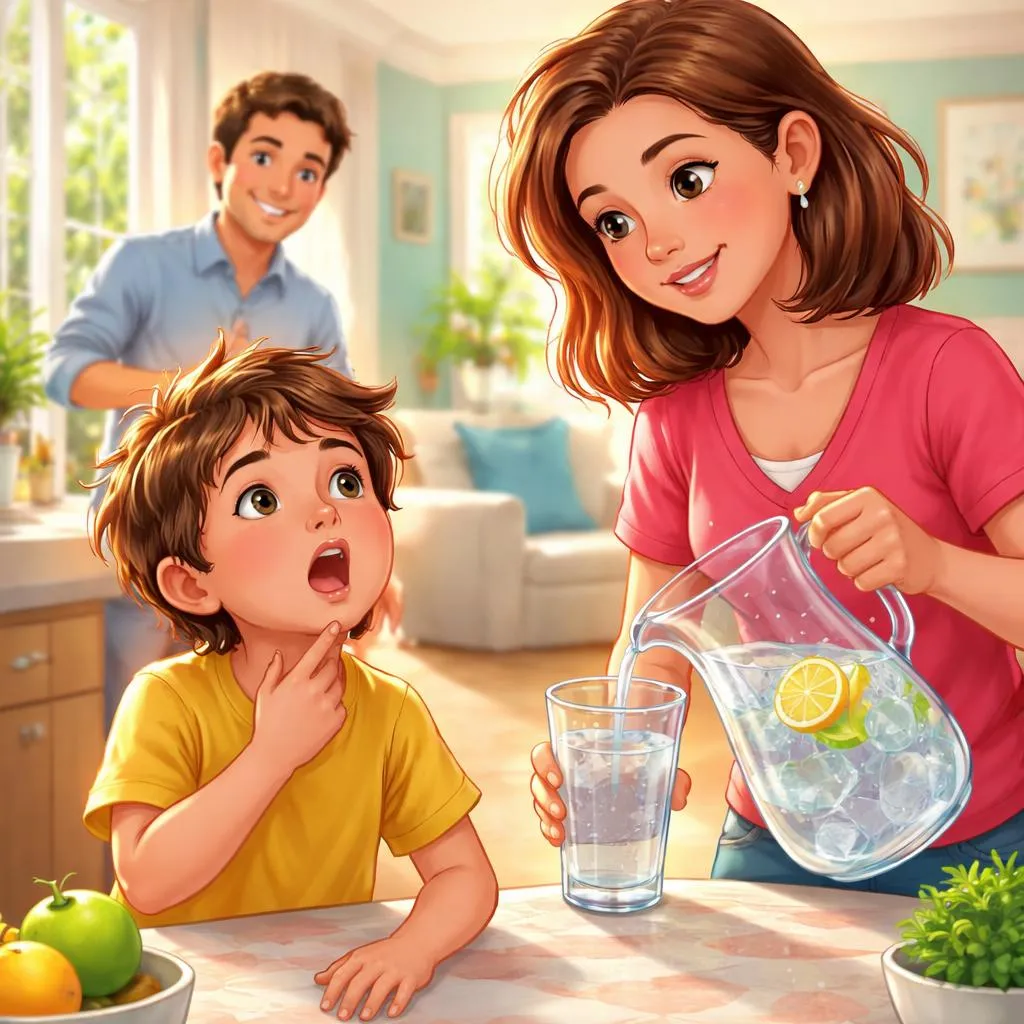

What Do These Expressions Mean? “I'm thirsty” and “I need a drink” both tell someone that you want liquid. They say that your body feels dry and would welcome water or another beverage. Children say these words after playing, on hot days, or when waking up. Both ask for hydration.
“I'm thirsty” means my mouth and throat feel dry and need liquid. It is direct and common. A child says it after running outside. It states a physical sensation.
“I need a drink” means my body requires liquid right now. It is stronger and more urgent. A child says it when feeling very dry or after salty food. It asks for immediate action.
These expressions seem similar. Both say “I want something to drink.” Both help prevent dehydration. But one is a sensation while one is a request.
What's the Difference? One is a description. One is a request. “I'm thirsty” describes how your body feels. It states a fact. It is not an order.
“I need a drink” makes a clear request. It says “please get me something to drink now.” It is more urgent and direct. It is harder to ignore.
Think of a child on a hot day. Mildly dry mouth: “I'm thirsty” is fine. Very dry, feeling weak: “I need a drink” is better. One is a statement. One is a call for help.
One is for mild thirst. The other is for urgent thirst. “I'm thirsty” works for a little dryness. “I need a drink” works when you are truly dehydrated. Match the phrase to the feeling.
Also, “I need a drink” can sound demanding if said loudly. Add “please” to make it kind. “I need a drink, please” is clear and polite.
When Do We Use Each One? Use “I'm thirsty” for mild or moderate thirst. Use it when your mouth is dry but you are not desperate. Use it as a polite statement. It fits normal thirst.
Examples at home: “I'm thirsty. Can I have some water?” “I'm thirsty after playing outside.” “I'm thirsty. Is there juice?”
Use “I need a drink” for urgent thirst. Use it when you feel very dry, lightheaded, or weak. Use it when you need liquid soon for health. It fits urgent hydration.
Examples for urgency: “I need a drink. I haven't had water all morning.” “I need a drink. My throat is burning.” “I need a drink, please. I feel dizzy.”
Children need both phrases. “I'm thirsty” for normal thirst. “I need a drink” for urgent need. Both keep a child hydrated.
Example Sentences for Kids I'm thirsty: “I'm thirsty. Can I have some water?” “I'm thirsty. This salty popcorn made me dry.” “I'm thirsty. Is it time for a drink break?”
I need a drink: “I need a drink. I'm really dry.” “I need a drink. Can we stop for water?” “I need a drink, please. I feel lightheaded.”
Notice “I'm thirsty” sounds like a normal statement. “I need a drink” sounds like a stronger request. Children learn both. One for regular. One for urgent.
Parents can respond differently. “I'm thirsty” gets “let's get you a glass of water.” “I need a drink” gets immediate action. Children learn different levels of need.
Common Mistakes to Avoid Some children say “I need a drink” when they are just mildly thirsty. That can sound dramatic. Save “need” for true urgency. Use “I'm thirsty” for mild cases.
Wrong: “I need a drink” (just finished a glass 10 minutes ago). Better: “I'm thirsty again. Can I have more water?”
Another mistake: saying “I'm thirsty” but not drinking when offered. If you say you are thirsty, accept the drink. Your body needs it. Listen to your body.
Wrong: “I'm thirsty” (then refuses water). Right: “I'm thirsty. Thank you for the water.”
Some learners forget that “drink” can mean alcohol. “I need a drink” for an adult can mean alcohol. For children, it always means water, juice, or milk. Context makes the meaning clear.
Also avoid saying “I need a drink” in a whining voice. A clear, calm “I need a drink, please” works best. Whining pushes people away. Politeness gets faster help.
Easy Memory Tips Think of “I'm thirsty” as a dry sponge. The sponge is dry. It needs water. But it is not crumbling. Mild and clear.
Think of “I need a drink” as a cracked desert floor. The ground is parched and cracking. It needs water now. Urgent and serious.
Another trick: remember the strength. “Thirsty” is mild to moderate. “Need a drink” is strong to urgent. Mild gets “thirsty.” Urgent gets “need a drink.”
Parents can say: “Thirsty for a little dry. Need a drink for a desperate cry.” That means normal thirst gets “I'm thirsty.” Urgent dehydration gets “I need a drink.”
Practice on a warm day. Mild thirst: “I'm thirsty.” After running hard in the heat: “I need a drink.” Two different needs. One honest child.
Quick Practice Time Let us try a small exercise. Choose the better phrase for each situation.
Your child has been playing quietly inside. They say their mouth feels a little dry. a) “I need a drink now.” b) “I'm thirsty. Can I have some water?”
Your child has been running in the hot sun for an hour. They feel dizzy and lightheaded. a) “I'm thirsty.” b) “I need a drink, please. I feel dizzy.”
Answers: 1 – b. Mild, normal thirst fits “I'm thirsty.” 2 – b. Urgent, dizzy thirst fits “I need a drink.”
Fill in the blank: “When my mouth feels a little dry after playing, I say ______.” (“I'm thirsty” fits the mild, normal sensation.)
One more: “When I feel very dry and lightheaded from heat, I say ______.” (“I need a drink” fits the urgent, health-related need.)
Staying hydrated is important. “I'm thirsty” asks for water politely. “I need a drink” asks for water urgently. Teach your child both. A child who knows their thirst stays healthy and strong.
Wrap-up “I'm thirsty” politely describes the sensation of needing liquid. “I need a drink” urgently requests water for health reasons. Use “I'm thirsty” for normal, mild thirst. Use “I need a drink” for urgent, dehydration-related thirst. Both phrases help children stay hydrated. A child who can name their thirst can care for their body.